The convenience and efficiency of front load washing machines have made them a staple in many households, yet they often come with a common adversary: mold. That unwelcome musty smell and the unsightly dark patches around the door gasket can quickly turn fresh laundry into a frustrating chore. If you’re experiencing these issues, you’re not alone. This comprehensive guide will equip you with safe and effective DIY methods to banish mold from your front load washer and prevent its return, ensuring your clothes emerge truly clean and fresh every time.
Front load washing machines offer several compelling advantages over their top-loading counterparts. They are renowned for their superior cleaning performance, often using less water and energy, which translates to savings on utility bills. Their tumbling action is gentler on clothes, extending the life of your garments, and they typically operate with less noise and vibration. This makes them an attractive option for modern homes seeking efficiency and effective cleaning.
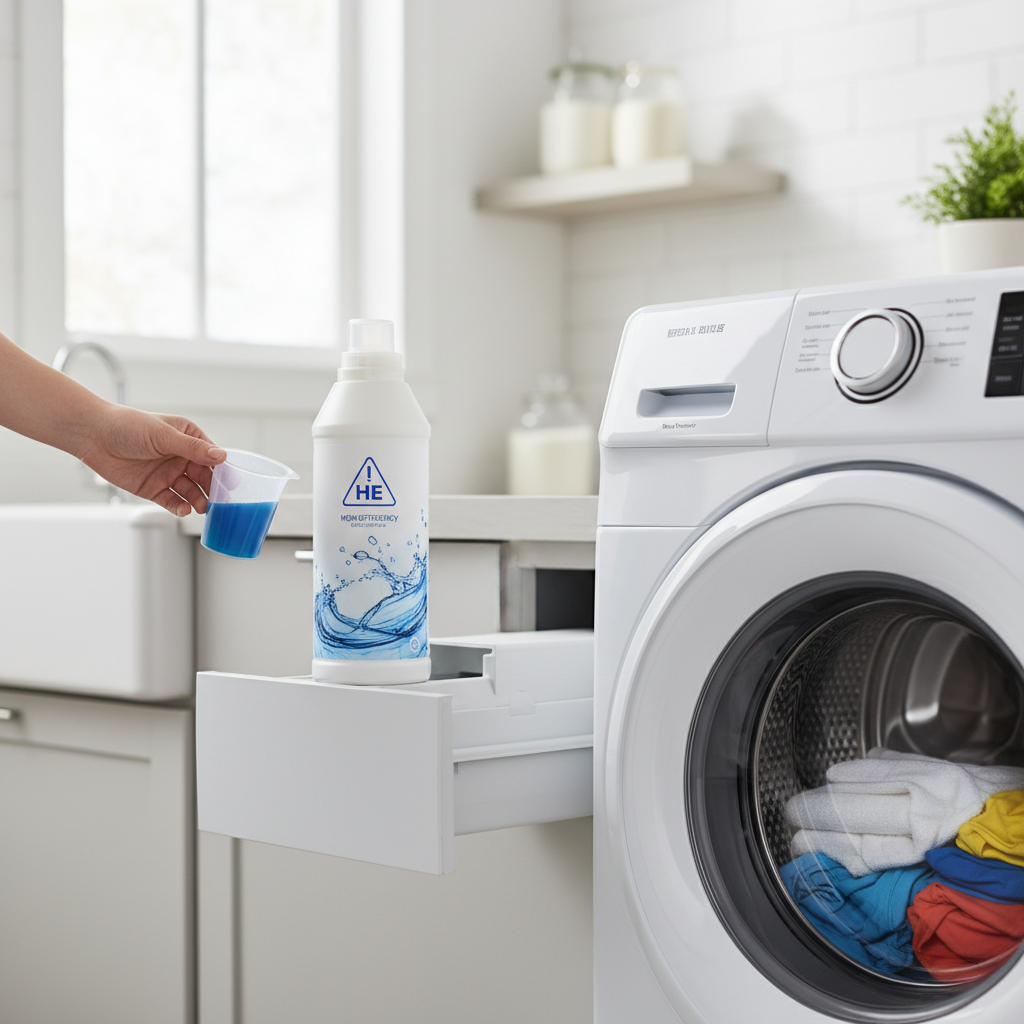
However, these innovative machines do come with a few drawbacks. Front loaders usually have a higher initial purchase price. The wash cycles can also be longer, requiring more patience from busy households. Furthermore, they necessitate the use of high-efficiency (HE) detergents to prevent excessive suds that can hinder washing performance and lead to residue buildup. Most significantly, their airtight design, particularly the rubber door gasket, can trap moisture and detergent residue, creating an ideal breeding ground for mold and mildew if not properly maintained.
Understanding Front Load Washer Mold and Its Impact
The dark, slimy substance you find clinging to your washer’s rubber seal or inside the drum is often a combination of mold and mildew. This growth thrives in damp, dark environments, feeding on leftover detergent, fabric softener, and organic matter from your clothes. Beyond the unpleasant appearance, mold in your washing machine can transfer spores and a persistent musty odor to your freshly washed laundry, effectively undoing your cleaning efforts. It can also exacerbate allergies and respiratory issues for sensitive individuals. Addressing this problem is crucial for both the longevity of your appliance and the hygiene of your household.
DIY Methods to Safely Clean Front Load Washer Mold
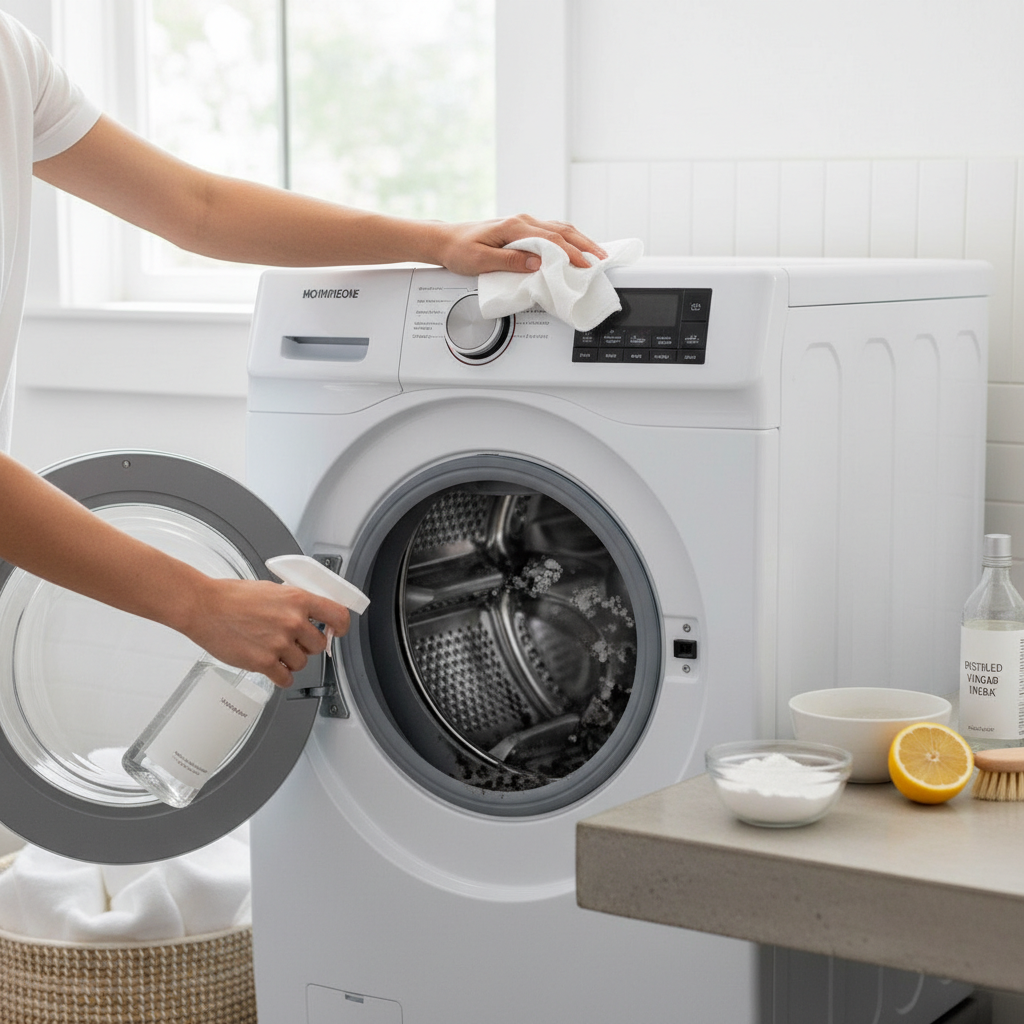
Tackling mold in your front load washer doesn’t always require harsh chemicals or professional help. Many effective and safe DIY solutions utilize common household items. Before you begin, gather your supplies: rubber gloves, old rags or microfiber cloths, a toothbrush, a spray bottle, white distilled vinegar, baking soda, and, if necessary, chlorine bleach. Always wear gloves to protect your hands, and ensure adequate ventilation by opening windows or turning on an exhaust fan.
Cleaning the Gasket (Rubber Door Seal)
|
Our Picks for the Best Front load washing machine in 2026
As an Amazon Associate I earn from qualifying purchases.
|
||
| Num | Product | Action |
|---|---|---|
| 1 | Samsung 4.5 cu. ft. High Efficiency Front Load Washer with Vibration Reduction Technology+, White, WF45T6000AW/A5 |

|
| 2 | Kenmore 4.5 cu. ft. Front Load Washer with Stain Removing Steam Treatment - Reduce Laundry Time with Accela Wash - LED - ENERGY STAR Certified - Metallic Silver |
|
| 3 | Kenmore 4.5 cu. ft. Top Load Washer with Triple Action Impeller for Tough Dirt & Stains - Reduce Laundry Time with Accela Wash & Express Wash - LED - White |
|
| 4 | BLACK+DECKER 4.5 Cu. Ft. Front Load Washer, Full Size Washing Machine with 12 Cycles, ENERGY STAR certified Washer Machine, Hot & Cold Inlet Hoses, LED Display, 120V, BFLW45M, White |
|
| 5 | West Bend Washer Compact Front Load Washing Machine with 15 Wash Cycles, LED Display, See-Through Door, Stackable and Space-Saving Design, for Apartments, RVs, and Small Spaces, 2.2 Cu.Ft., White |
|
| 6 | GE GFW655SPVDS 5.0 cu.ft. Smart Front Load Washer with Steam, UltraFresh Vent System, Black |
|
| 7 | Maytag 4.5 cu ft. Front Load Washer with 12-hour Fresh Spin Option |
|
| 8 | GE PROFILE 28 Inch Smart Front Load Washer with 4.8 cu. ft. Capacity in White GFW550SSNWW |
|
| 9 | GE 5.0 cu.ft. Smart Front Load Washer in White with Steam, UltraFresh Vent System, and Microban Technology |
|
| 10 | LG WM3400CW 4.5 cu ft Front-Load Washer – High-Efficiency, LoDecibel™ Quiet Operation, 6Motion™ Technology, White |
|
The rubber gasket is the most common hotspot for mold growth due to its moisture-trapping design.
- Preparation: Open the washer door wide. Carefully pull back the rubber folds of the gasket to expose the hidden areas. Remove any visible debris like hair, coins, or forgotten socks.
- Initial Wipe Down: Spray a rag generously with a solution of equal parts white distilled vinegar and water, or a mild all-purpose cleaner. Wipe down the entire gasket, paying close attention to the crevices and folds. For stubborn grime, a paste made from baking soda and a little water can be scrubbed in with a toothbrush.
- Deep Cleaning for Stubborn Mold (Vinegar Method): For more entrenched mold, spray the vinegar solution directly onto the gasket and let it sit for 5-10 minutes to penetrate the mold. Then, scrub vigorously with a brush or sponge.
- Deep Cleaning for Stubborn Mold (Bleach Method – Use with Caution): If vinegar isn’t enough, you can use a diluted bleach solution (¾ cup bleach per gallon of water). Dip a cloth in the bleach solution and wipe the gasket, including behind the folds. For very heavy buildup, you can line the gasket with paper towels soaked in diluted bleach and let them sit for about 10 minutes before removing. Crucially, never mix bleach and vinegar, as this creates toxic chlorine gas. If you’ve used vinegar, run an empty rinse cycle before introducing bleach to ensure no residue remains. Always rinse the gasket thoroughly with clean water after using bleach.
Cleaning the Detergent Dispenser
The detergent and fabric softener dispensers can accumulate sticky residue that also fosters mold.
- Remove and Wash: Most dispenser drawers can be removed by pressing a tab or button. Take the drawer out and wash it thoroughly under warm, soapy water. Use a toothbrush to scrub away any residue in tight corners or narrow channels.
- Wipe Down: If your dispenser is not removable, wipe it out as best as you can with a cloth dipped in vinegar or mildew cleaner. Regular cleaning every month or two will prevent residue buildup.
Cleaning the Washer Drum (Internal Cleaning Cycle)
Beyond the visible mold, the washer drum and internal components can also harbor mold and residue, leading to persistent odors.
- Baking Soda and Vinegar Cycle:
- Add 2 cups (approximately 272g) of baking soda directly into the washer drum. Baking soda acts as a mild abrasive and deodorizer.
- Close the door and run your washer on the hottest cycle available. If your machine has a “Clean Washer” or “Sanitize” cycle, use that setting.
- Once that cycle is complete, pour 2 cups (approximately 470ml) of white distilled vinegar into the detergent dispenser drawer.
- Run the same hottest cycle again. Vinegar will help disinfect and further deodorize the machine. Remember, never combine baking soda and vinegar directly in the same step during these cycles as they can neutralize each other.
- Bleach Cycle (Alternative): If you prefer using bleach, add 2 cups (approximately 470ml) of liquid chlorine bleach to the bleach dispenser compartment (or directly into the drum if there’s no specific compartment). Run the hottest wash and rinse cycle. Some machines allow you to pause the cycle after it fills with water; let it soak for 30 minutes before resuming. Afterward, run an additional empty rinse cycle to remove any lingering bleach residue. Again, do not use bleach if you have recently used vinegar without a thorough rinse cycle in between.
- Specialized Washer Cleaners: For a convenient option, consider using a commercial washing machine cleaning tablet. Follow the product instructions for use, which typically involve placing the tablet directly in the drum and running a clean cycle.
Cleaning the Washer Door and Exterior
Don’t forget the outer surfaces of your machine.
- Wipe Down: Spray a multi-purpose cleaner onto a clean cloth and wipe down the exterior of the washing machine, including the control panel and around the door frame.
- Filter Check: If your washer has a drain pump filter (often located behind a small access panel at the bottom front), consult your manual on how to clean it. This filter can trap lint and debris, contributing to odors and mold.
“Many front load washer owners are surprised to learn how much unseen residue can build up behind the gasket and inside the dispensers. Regular attention to these areas is key to truly eliminating mold and keeping your machine fresh.” – Admin, ReviewDP.com
Preventing Mold in Your Front Load Washing Machine
Prevention is the most effective strategy against front load washer mold. By incorporating a few simple habits into your laundry routine, you can significantly reduce the chances of mold and mildew returning.
- Leave the Door Ajar: After each wash cycle, leave the washer door slightly open. This allows air to circulate inside the drum, helping it dry out completely and preventing moisture buildup.
- Wipe Down the Gasket: After removing your laundry, take a moment to wipe down the rubber gasket with a clean cloth. This removes trapped moisture and any lingering detergent residue.
- Use HE Detergent Correctly: Always use high-efficiency (HE) detergent, which is formulated to produce fewer suds. Use only the recommended amount – too much detergent can lead to residue buildup that feeds mold. Consider powdered detergents or pods, as liquid detergents can sometimes leave more residue.
- Avoid Liquid Fabric Softener: Liquid fabric softeners can leave a film inside the washer that promotes mold growth. Consider switching to dryer sheets or wool dryer balls for softening clothes.
- Remove Laundry Promptly: Don’t leave wet laundry sitting in the machine. Transfer clothes to the dryer or hang them to dry as soon as the wash cycle finishes.
- Run Monthly Cleaning Cycles: Make it a habit to run an empty “Clean Washer” or “Sanitize” cycle once a month using either vinegar, bleach, or a specialized washer cleaner. This helps disinfect the drum and hoses.
Conclusion
A clean front load washing machine is essential for truly fresh laundry and a healthy home environment. By understanding the common culprits behind mold growth and consistently applying these DIY cleaning and prevention techniques, you can effectively eliminate those musty odors and unsightly stains. Regular attention to the gasket, dispenser, and internal drum, combined with simple post-wash habits, will keep your appliance performing at its best. Embrace these practices, and say goodbye to washer mold for good. What other cleaning challenges are you tackling in your home?
Frequently Asked Questions
Why does my front-load washer smell even after cleaning?
If odors persist after cleaning, mold might be hiding in hard-to-reach areas like behind the gasket or inside the drain pump filter. Running a sanitize cycle with bleach, followed by proper ventilation and regular gasket drying, can often resolve this.
Can I use vinegar and bleach together to clean my washer?
No, never mix vinegar and bleach. This combination creates dangerous chlorine gas, which is toxic. Always use one cleaning agent at a time and ensure thorough rinsing between applications if you switch methods.
How often should I clean my front-load washer?
For optimal results, aim to manually clean the gasket and dispenser every two weeks. Running a full sanitize or hot cleaning cycle for the drum should be done monthly. In humid climates or with frequent use, more frequent cleaning may be beneficial.
Will mold inside my washer make my clothes smell bad?
Yes, absolutely. Mold and mildew spores can easily transfer from the washing machine to your clothes during a cycle, causing a persistent musty odor even after washing. Regular washer cleaning eliminates this source of odor.
Why are front-load washers more prone to mold than top-loaders?
Front-load washers utilize a watertight rubber gasket to prevent leaks, but this seal also traps moisture. Unlike top-loaders which have looser lids allowing better airflow, front-loaders remain damp for longer, creating an ideal environment for mold growth.