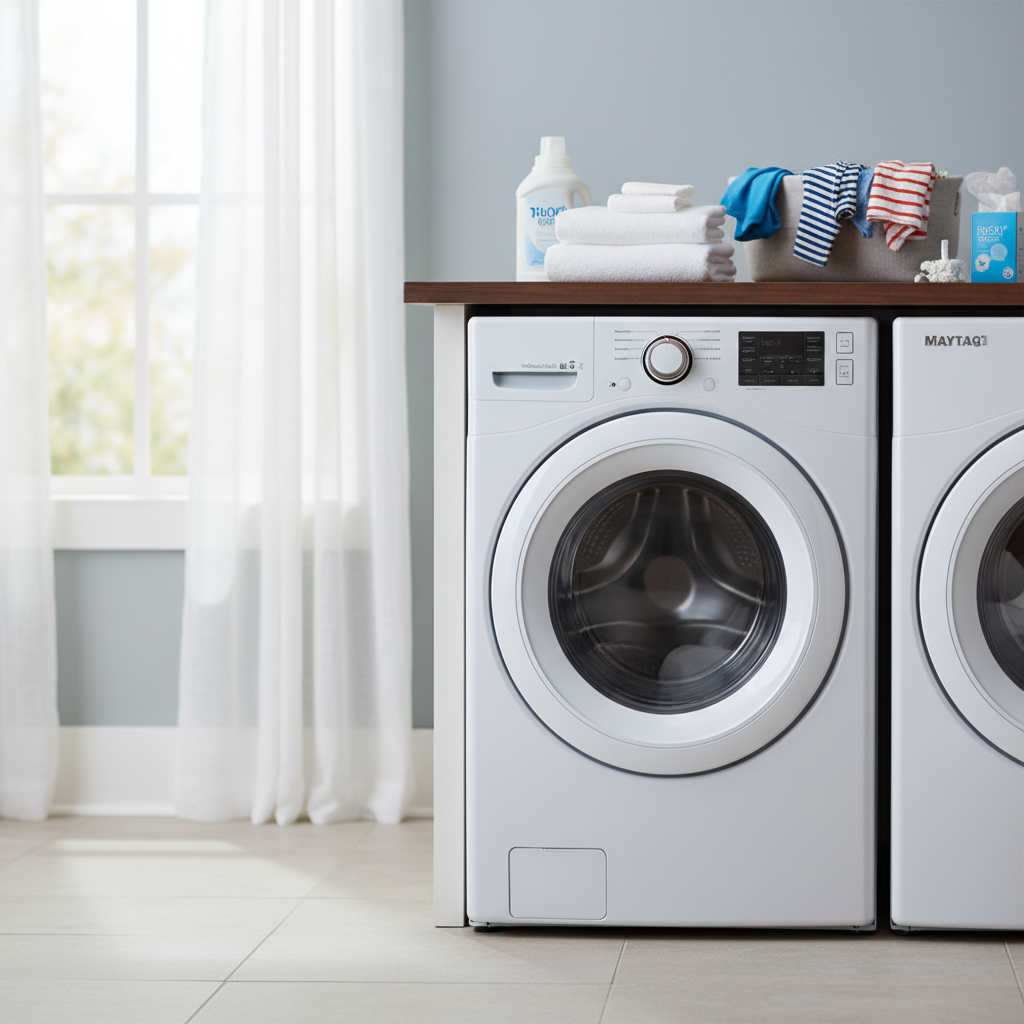
Modern washing machines offer a dizzying array of cycles, and among the most advanced are the steam and sanitize functions. While both promise a deeper clean and enhanced hygiene, they achieve these results through distinct mechanisms and are best suited for different laundry needs. Understanding the nuances between a steam cycle and a sanitize cycle is crucial for optimizing your laundry routine, protecting your garments, and ensuring a truly hygienic home. This comprehensive guide will break down how each cycle works, its advantages, disadvantages, and help you determine which one to choose for your specific requirements.
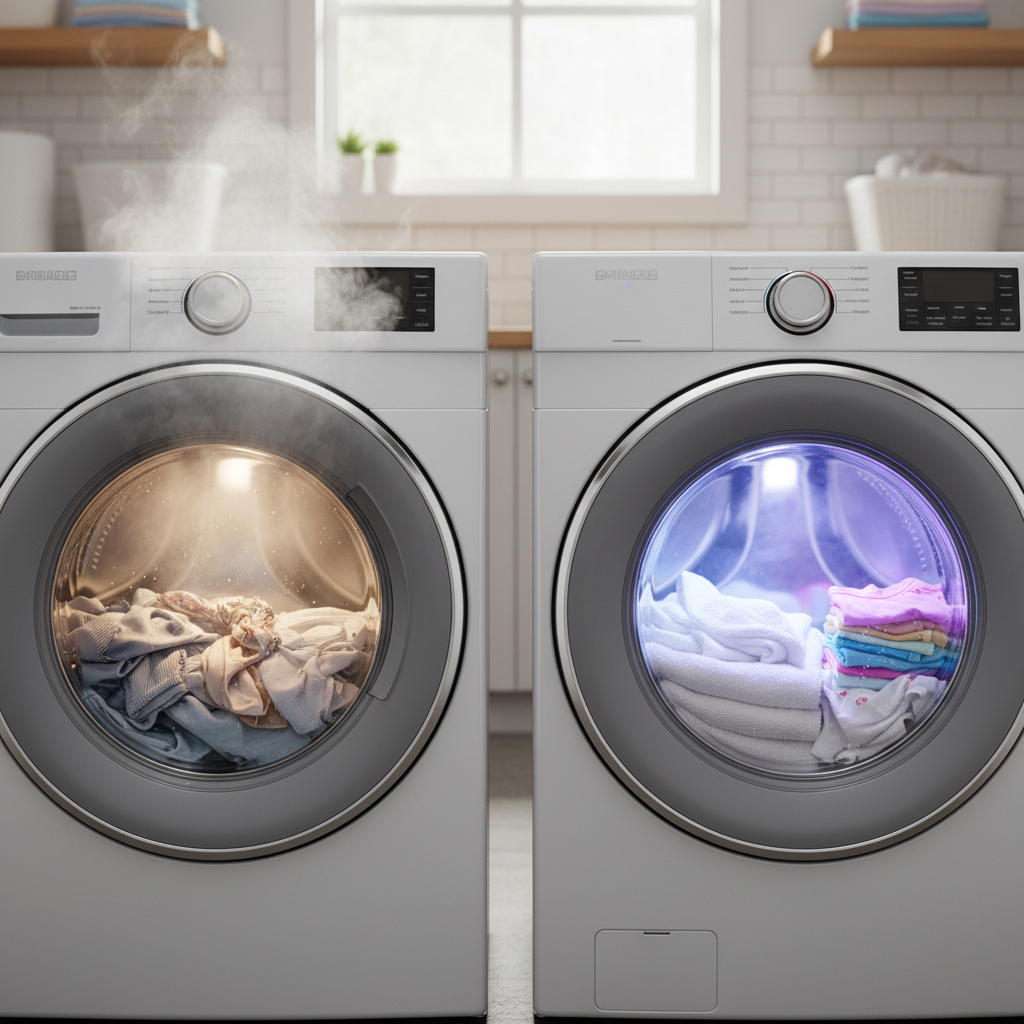
Understanding Steam Cycles: Gentle Power for Deeper Clean
A steam cycle introduces hot vapor into the washing machine drum, allowing steam molecules to penetrate deeply into fabric fibers. This process is designed to loosen dirt, eliminate odors, reduce wrinkles, and offer a degree of sanitization without the need for excessively high water temperatures or harsh chemicals.
Advantages of Steam Cycles:
- Effective Sanitization: Steam penetrates fabrics to destroy germs, bacteria, and allergens like dust mites, offering a robust hygienic clean. Some models, like Samsung’s Hygiene Steam Cycle, are noted to eliminate up to 99.9% of bacteria and allergens.
- Superior Stain Removal: The hot vapor helps to relax fabric fibers, making it easier for detergent to penetrate and dislodge stubborn, ingrained dirt and stains, including oil-based marks.
- Odor Elimination: Steam is highly effective at lifting and removing lingering odors from clothes, such as those from gym wear, pet items, or even forgotten damp laundry.
- Wrinkle Reduction: The heat and moisture from steam naturally relax garment fibers, significantly reducing wrinkles and often minimizing the need for extensive ironing.
- Gentle on Fabrics: Unlike very high water temperatures, steam can be gentle on a wide range of fabrics, helping to prevent shrinking while still delivering a deep clean.
- Water and Energy Efficiency: In many modern machines, steam generation can be more water-efficient than traditional hot water washes. Some advanced washers can produce steam at lower temperatures (e.g., 30°C), potentially reducing electricity consumption.
|
Our Picks for the Best Front load washing machine in 2026
As an Amazon Associate I earn from qualifying purchases.
|
||
| Num | Product | Action |
|---|---|---|
| 1 | BLACK+DECKER 4.5 Cu. Ft. Front Load Washer, Full Size Washing Machine with 12 Cycles, ENERGY STAR certified Washer Machine, Hot & Cold Inlet Hoses, LED Display, 120V, BFLW45M, White |

|
| 2 | Maytag 4.5 cu ft. Front Load Washer with 12-hour Fresh Spin Option |
|
| 3 | Kenmore 4.5 cu. ft. Top Load Washer with Triple Action Impeller for Tough Dirt & Stains - Reduce Laundry Time with Accela Wash & Express Wash - LED - White |
|
| 4 | GE GFW655SPVDS 5.0 cu.ft. Smart Front Load Washer with Steam, UltraFresh Vent System, Black |
|
| 5 | Samsung 4.5 cu. ft. High Efficiency Front Load Washer with Vibration Reduction Technology+, White, WF45T6000AW/A5 |
|
| 6 | LG WM3400CW 4.5 cu ft Front-Load Washer – High-Efficiency, LoDecibel™ Quiet Operation, 6Motion™ Technology, White |
|
| 7 | West Bend Washer Compact Front Load Washing Machine with 15 Wash Cycles, LED Display, See-Through Door, Stackable and Space-Saving Design, for Apartments, RVs, and Small Spaces, 2.2 Cu.Ft., White |
|
| 8 | Kenmore 4.5 cu. ft. Front Load Washer with Stain Removing Steam Treatment - Reduce Laundry Time with Accela Wash - LED - ENERGY STAR Certified - Metallic Silver |
|
| 9 | GE PROFILE 28 Inch Smart Front Load Washer with 4.8 cu. ft. Capacity in White GFW550SSNWW |
|
| 10 | GE 5.0 cu.ft. Smart Front Load Washer in White with Steam, UltraFresh Vent System, and Microban Technology |
|
Disadvantages of Steam Cycles:
- Fabric Limitations: While generally gentle, steam cycles are not suitable for all fabrics. Delicate materials like silk, wool, rayon, leather, faux leather, feathers, PVC, pearls, and sequins should typically be kept out of steam washes, as the heat and moisture can cause damage or shrinkage.
- Varying Energy Consumption: While some advanced steam washers are energy-efficient, others that constantly heat water to boiling temperatures for steam generation can be more expensive to run than regular cycles.
- Not Always a Standalone Sanitize: While steam offers sanitization, a dedicated “Sanitize” cycle often operates at even higher temperatures for certified disinfection.
Understanding Sanitize Cycles: The Ultimate Disinfection
The sanitize cycle is engineered for maximum germ eradication. It primarily relies on extremely high water temperatures to kill a significant percentage of bacteria and allergens, often meeting specific industry standards for disinfection. This cycle is designed for situations where thorough germ removal is paramount.
How Sanitize Cycles Work:
Sanitize cycles typically heat water to very high temperatures, often exceeding 160°F (71°C), and sometimes even up to 170°F (75°C). This intense heat, often combined with extended wash times and sometimes integrated steam, is effective in eliminating 99.9% of common household bacteria. Many sanitize cycles on washers and dryers are NSF (National Sanitation Foundation) certified, assuring their efficacy against specific microorganisms.
Advantages of Sanitize Cycles:
- Highest Level of Disinfection: The primary benefit is its ability to eliminate 99.9% of common household bacteria and allergens, making it ideal for critical sanitization needs.
- Critical for Health & Hygiene: Essential for households dealing with sickness, allergies, or professions exposed to a high germ count (e.g., healthcare workers).
- Targets Tough Microorganisms: Effectively removes bacteria, dust mites, yeast, and other microorganisms that might persist through standard wash cycles.
- Deep Cleaning for Washer: Running a sanitize cycle can also help disinfect and deep clean the washing machine itself, preventing mold and odor buildup.
Disadvantages of Sanitize Cycles:
- Fabric Restrictions: The extreme heat can be too harsh for many delicate fabrics, certain colors (leading to fading or bleeding), and garments prone to shrinking. Always check care labels carefully.
- Longer Cycle Times: Sanitize cycles typically run for a longer duration to ensure sufficient time at high temperatures for effective disinfection.
- Higher Energy Consumption: Maintaining such high water temperatures requires more energy compared to cooler wash cycles.
Steam vs. Sanitize: A Direct Comparison
To help you differentiate between these two powerful cycles, here’s a direct comparison:
| Criteria | Steam Cycle | Sanitize Cycle |
|---|---|---|
| Primary Function | Enhanced cleaning, odor/wrinkle reduction, gentler sanitization | High-level disinfection, germ killing |
| Mechanism | Injects hot vapor into the drum | Uses extremely hot water (often 160°F+) |
| Effectiveness | Excellent for removing odors, wrinkles, stains, and general sanitization of bacteria/allergens | Eliminates 99.9% of common household bacteria/allergens (often NSF certified) |
| Fabric Suitability | Suitable for most fabrics, but avoid delicates (silk, wool, leather) | Limited; best for sturdy, heat-tolerant items (whites, cotton, towels) |
| Typical Duration | Can be shorter (for refresh) or integrated into longer cycles | Generally longer cycles |
| Energy Use | Can be water/energy efficient, but varies by machine technology | Higher due to sustained high water temperatures |
| Additional Benefits | Wrinkle reduction, odor removal, stain loosening, fabric refreshment | Critical germ elimination in specific health-related scenarios |
Key Differences:
The core distinction lies in their primary focus and the intensity of their approach. A steam cycle is versatile, offering a range of benefits from wrinkle reduction to general sanitization, and can be gentler on clothes. A sanitize cycle, on the other hand, is a dedicated powerhouse for robust disinfection, prioritizing germ elimination above all else, often through sustained extreme heat. In some advanced washing machines, steam technology might even be integrated into a sanitize or allergen cycle, enhancing its effectiveness.
When to Choose Which Cycle
Choosing between a steam cycle and a sanitize cycle depends on your specific laundry needs and the items you are washing.
Choose Steam When:
- Everyday Freshness: You want to refresh lightly worn clothes that don’t need a full wash but require odor removal or wrinkle reduction.
- Allergen Reduction: You have family members with allergies and want to reduce allergens in bedding or clothing without exposing them to extreme heat.
- Stubborn Stains & Odors: You need to tackle tough stains or persistent odors in items like gym clothes or towels.
- Fabric Care is a Priority: You want to deep clean items that can tolerate heat but might be too delicate for the intense temperatures of a sanitize cycle.
- Energy Efficiency for Daily Use: You seek a more energy and water-efficient option for enhanced cleaning over regular cycles.
Choose Sanitize When:
- Sickness in the Household: A family member is ill, and you need to ensure their clothing, bedding, and towels are thoroughly disinfected to prevent the spread of germs.
- Baby or Pet Items: You’re washing baby clothes, cloth diapers, or pet bedding where maximum hygiene is critical.
- High-Risk Items: You work in a healthcare setting or a job with high germ exposure and need to sterilize your uniform.
- Severe Allergies: For individuals with severe allergies, an NSF-certified sanitize cycle can provide superior allergen removal.
- Cleaning the Washer: Periodically, running a sanitize cycle (sometimes empty with a cleaner) can help eliminate mold, mildew, and bacteria buildup within the machine itself.
“For general refreshing and daily hygienic cleaning, the steam cycle offers a fantastic balance of effectiveness and fabric care. But when it comes to true pathogen elimination, especially in times of illness or for sensitive items, the sanitize cycle provides an indispensable level of protection.” – Sofia Martinez, Founder & CEO of Sparkly Maid Austin
Conclusion
Both steam and sanitize cycles are valuable features in modern washing machines, designed to elevate your laundry hygiene. The steam cycle provides a versatile solution for freshening, de-wrinkling, and gentle sanitization, suitable for a broader range of everyday items. In contrast, the sanitize cycle is a specialized, high-intensity option engineered for critical disinfection, ensuring the removal of 99.9% of bacteria and allergens through extreme heat. By understanding the distinct purposes and limitations of each, you can make informed decisions, protecting your family’s health and preserving the longevity of your garments. Always consult your appliance manual and garment care labels to ensure you’re selecting the most appropriate cycle.
Frequently Asked Questions
Is a steam cycle the same as a sanitize cycle?
No, a steam cycle is not inherently the same as a sanitize cycle. A steam cycle uses hot vapor for various benefits like wrinkle and odor removal, along with general sanitization. A sanitize cycle, however, specifically targets the elimination of 99.9% of bacteria and allergens through sustained high water temperatures, often with NSF certification for this claim. While some sanitize cycles may incorporate steam, their primary mechanism and certification focus differ.
What temperature does a sanitize cycle reach?
A sanitize cycle typically heats water to very high temperatures, often around 160°F (71°C) to 170°F (75°C), to effectively kill bacteria and allergens. This extreme heat is crucial for meeting the stringent requirements of certified sanitization processes.
Can I use the steam cycle on delicate clothes?
It is generally recommended to avoid using the steam cycle on delicate fabrics such as silk, wool, rayon, leather, or items labeled “hand-wash only.” The extra heat and moisture from the steam can potentially damage these fibers or cause them to shrink. When in doubt, opt for a gentler wash cycle.
Which cycle is more energy efficient?
For general use, a steam cycle can be more energy and water-efficient than a traditional hot water wash, especially if it operates at lower temperatures for steam generation. However, a dedicated sanitize cycle, which maintains extremely high water temperatures for an extended period, generally consumes more energy due to the intense heating requirement.