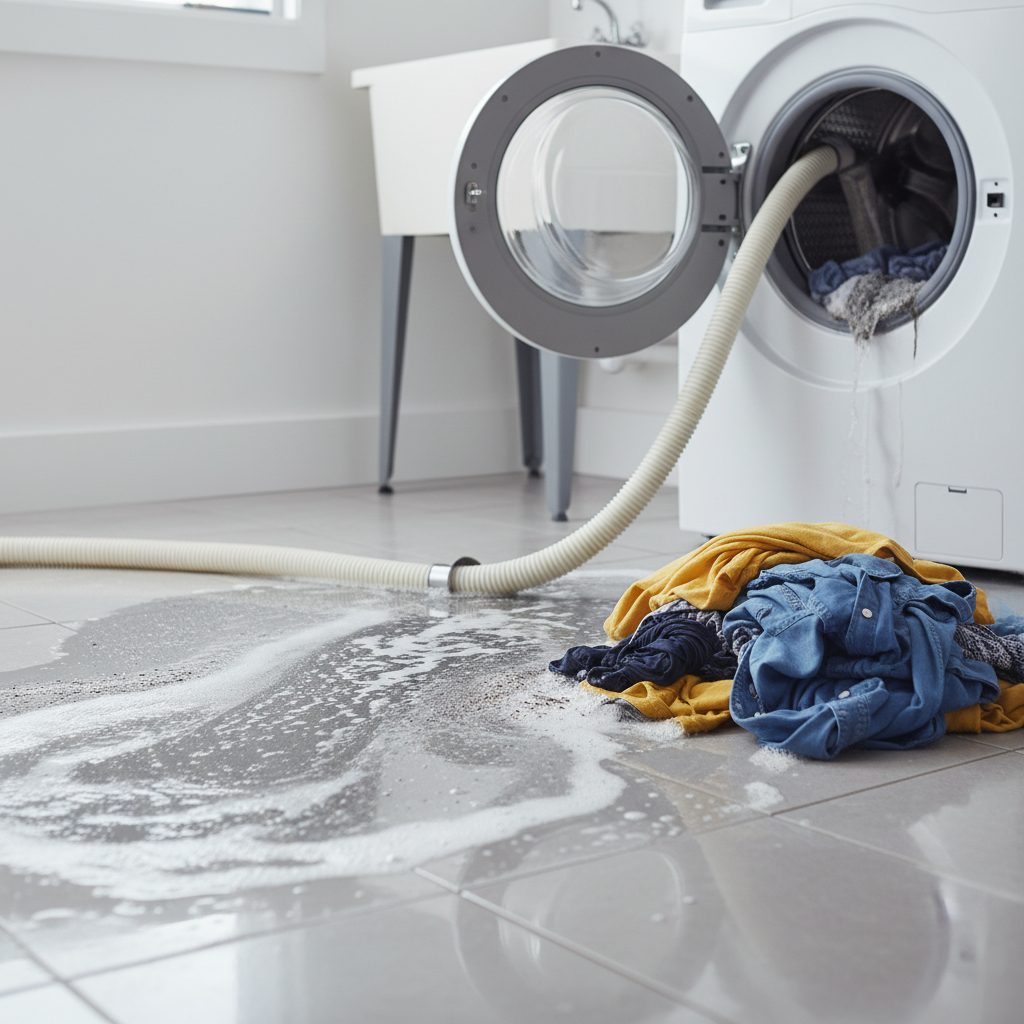
A bubbling, gurgling sound during your washing machine’s drain cycle or, worse, a laundry room floor covered in water, can quickly turn laundry day into a frustrating ordeal. A clogged washer drain hose is a common household problem, often caused by an accumulation of lint, soap scum, and other debris over time. While the thought of a blocked drain might seem daunting, many clogs can be resolved quickly and effectively with a few simple DIY methods.
Understanding the root cause and knowing the right steps can save you both time and the expense of a professional service. This guide will walk you through proven techniques to clear your washer’s drain hose, helping you restore your appliance to optimal performance and prevent future blockages.
Understanding the Problem: Why Your Washer Drain Clogs
Washing machine drain hoses commonly clog due to a combination of factors. The most frequent culprits are lint and fabric fibers that shed from clothes during washing, gradually building up inside the hose. Along with lint, excess soap residue and detergent buildup create a sticky film that traps debris, further constricting the hose’s diameter. Grease and oils from heavily soiled clothes can also contribute to this sticky sludge. Over time, this accumulation forms a solid blockage, preventing water from draining properly and potentially causing frustrating overflows or machine errors.
Signs of a Clogged Washer Drain Hose
Recognizing the early signs of a clogged washer drain hose can help you address the issue before it escalates into a larger problem. The most obvious indicator is water backing up into the washing machine tub after a cycle or overflowing onto the laundry room floor. You might also notice the machine taking an unusually long time to drain, or not draining at all, leading to excessively wet clothes at the end of a cycle. Gurgling noises from the drain during operation, foul odors emanating from the drain, or your washing machine displaying an error code related to drainage can also signal a blockage.
Essential Safety Precautions Before You Start
Before attempting any troubleshooting or cleaning of your washing machine’s drain hose, safety must be your top priority. Always begin by unplugging the washing machine from its power outlet to eliminate any risk of electric shock. Next, turn off the hot and cold water supply valves located behind the machine to prevent accidental leaks or flooding. It’s also advisable to have several towels and a bucket readily available, as some water spillage is likely when disconnecting hoses. Working carefully and ensuring all power and water sources are disengaged will help protect both you and your appliance.
Quick DIY Methods to Unclog Your Washer Drain Hose
Tackling a clogged washer drain hose often starts with simple, non-invasive methods that leverage common household items. These initial steps are frequently effective for minor to moderate blockages caused by soap scum and lint buildup.
Method 1: The Boiling Water Flush
|
Our Picks for the Best Front load washing machine in 2026
As an Amazon Associate I earn from qualifying purchases.
|
||
| Num | Product | Action |
|---|---|---|
| 1 | GE GFW655SPVDS 5.0 cu.ft. Smart Front Load Washer with Steam, UltraFresh Vent System, Black |

|
| 2 | GE 5.0 cu.ft. Smart Front Load Washer in White with Steam, UltraFresh Vent System, and Microban Technology |
|
| 3 | Kenmore 4.5 cu. ft. Front Load Washer with Stain Removing Steam Treatment - Reduce Laundry Time with Accela Wash - LED - ENERGY STAR Certified - Metallic Silver |
|
| 4 | Samsung 4.5 cu. ft. High Efficiency Front Load Washer with Vibration Reduction Technology+, White, WF45T6000AW/A5 |
|
| 5 | Maytag 4.5 cu ft. Front Load Washer with 12-hour Fresh Spin Option |
|
| 6 | Kenmore 4.5 cu. ft. Top Load Washer with Triple Action Impeller for Tough Dirt & Stains - Reduce Laundry Time with Accela Wash & Express Wash - LED - White |
|
| 7 | GE PROFILE 28 Inch Smart Front Load Washer with 4.8 cu. ft. Capacity in White GFW550SSNWW |
|
| 8 | LG WM3400CW 4.5 cu ft Front-Load Washer – High-Efficiency, LoDecibel™ Quiet Operation, 6Motion™ Technology, White |
|
| 9 | BLACK+DECKER 4.5 Cu. Ft. Front Load Washer, Full Size Washing Machine with 12 Cycles, ENERGY STAR certified Washer Machine, Hot & Cold Inlet Hoses, LED Display, 120V, BFLW45M, White |
|
| 10 | West Bend Washer Compact Front Load Washing Machine with 15 Wash Cycles, LED Display, See-Through Door, Stackable and Space-Saving Design, for Apartments, RVs, and Small Spaces, 2.2 Cu.Ft., White |
|
For minor blockages or general buildup, a boiling water flush can be surprisingly effective. This method helps to dissolve accumulated soap residue and grease.
- Preparation: Ensure your washing machine is unplugged and the water supply is off.
- Boil Water: Carefully boil at least one gallon of water.
- Pour Slowly: Locate the drain pipe that your washer’s drain hose empties into. Slowly and carefully pour the boiling water directly down the drain pipe. Use a funnel if necessary to prevent splashing.
- Wait and Repeat: Allow 10-15 minutes for the hot water to work its magic. If you suspect a stubborn clog, you may repeat this process once or twice, ensuring sufficient waiting time between attempts.
- Test: Reconnect your drain hose, plug in the machine, and run a short rinse and spin cycle to check if the drainage has improved.
Method 2: Baking Soda and Vinegar Power Duo
The classic combination of baking soda and vinegar creates a fizzy reaction that can help break down organic matter and dislodge blockages. This is an excellent natural alternative to harsh chemical cleaners.
- Preparation: Unplug the washing machine and turn off the water supply.
- Detach Hose: Gently detach the washer drain hose from the standpipe or wall drain. Have a bucket ready for any residual water.
- Baking Soda First: Pour about half a cup of baking soda into the detached drain hose. A funnel can be very helpful here.
- Add Vinegar: Follow with one cup of white vinegar. You should observe a fizzing reaction.
- Allow to Work: Let the mixture sit and react for 15-30 minutes. The effervescence will help to loosen the clog.
- Flush with Hot Water: After the waiting period, flush the hose thoroughly with hot water from a tap or a bucket of hot (not boiling) water.
- Test: Reconnect the hose securely, restore power and water, and run a test cycle.
Method 3: Manual Inspection and Cleaning (Disconnecting the Hose)
If the chemical-free methods don’t fully clear the blockage, a manual inspection of the drain hose itself is the next logical step. This method allows for direct removal of physical obstructions.
- Complete Disconnection: Ensure the washing machine is unplugged and water supply is off. Disconnect the drain hose completely from both the back of the washing machine and the drain pipe in the wall or utility sink.
- Inspect for Clogs: Carefully examine both ends of the hose for any visible blockages. Often, a clump of lint or a small item might be stuck near the ends.
- Flush and Clean: Take the disconnected hose outdoors or to a large utility sink. Use a garden hose or a strong stream of water to flush through the drain hose, aiming to dislodge any internal blockages. You can also use a long brush, like a bottle brush, to scrub the inside of the hose.
- Remove Debris: For stubborn clogs, you might need to manually work any visible debris out with your fingers (wearing gloves) or a pair of pliers.
- Reassemble and Test: Once clean, reattach the drain hose securely to both the washing machine and the drain pipe. Run a test cycle to confirm proper drainage.
Method 4: Using a Drain Auger or Snake
For deeper, more stubborn clogs that manual flushing can’t reach, a drain auger (also known as a plumber’s snake) can be an effective tool.
- Access the Drain: After disconnecting the washing machine’s drain hose from the standpipe, insert the auger into the drain pipe opening.
- Feed the Auger: Slowly feed the auger down the pipe, turning the handle as you go. You will feel resistance when you hit the clog.
- Break Up Clog: Once you reach the clog, gently push and pull the auger, rotating it to break up or hook onto the obstruction.
- Remove and Clean: Carefully pull the auger back out, bringing any retrieved debris with it. Clean the auger thoroughly.
- Flush and Test: Pour hot water down the drain pipe to flush away any remaining debris. Reconnect the drain hose and run a test cycle.
When to Call a Professional
While many washer drain clogs can be resolved with DIY methods, there are times when professional help is the best course of action. If you’ve tried multiple methods and the drainage issue persists, or if you’re uncomfortable disconnecting parts of your washing machine, it’s wise to call a qualified appliance repair technician or plumber. Severe blockages deeper within your home’s plumbing system, persistent overflows, or signs of water damage could indicate a more complex problem requiring specialized tools and expertise. A professional can quickly diagnose and fix the issue, potentially saving you from greater damage or recurring problems.
Preventative Measures to Avoid Future Clogs
Preventing a clogged washer drain hose is far easier than fixing one. Incorporating a few simple habits into your laundry routine can significantly reduce the risk of future blockages.
- Use the Right Amount of Detergent: Overuse of detergent is a primary contributor to soap scum buildup. Follow the manufacturer’s recommendations for your specific detergent and load size. Consider using high-efficiency (HE) detergents if you have an HE washing machine, as they produce less suds.
- Clean the Lint Filter Regularly: Many washing machines have a small lint filter, often located near the bottom front panel. Consult your owner’s manual to find and clean this filter every few months. This traps lint before it reaches the drain hose.
- Run a Hot Water/Vinegar Cycle: Periodically, run an empty wash cycle on the hottest setting with one or two cups of white vinegar (and no detergent). This helps to break down soap scum and mineral deposits throughout the machine and drain system.
- Install a Mesh Lint Trap: For drain hoses that discharge into a utility sink or standpipe, consider adding a small mesh lint trap (available at most hardware stores) to the end of the hose. These disposable traps catch lint and debris before they enter your plumbing.
- Avoid Washing Excessively Greasy Items: If possible, pre-treat or hand wash items with heavy grease or oil to prevent these substances from entering your washing machine’s drain system.
Conclusion
A clogged washing machine drain hose can be a frustrating inconvenience, but with the right approach, it’s a problem you can often tackle yourself. By understanding the common causes and systematically applying methods like the boiling water flush, the baking soda and vinegar solution, or a manual inspection, you can quickly restore your washing machine’s drainage. Remember to prioritize safety by always disconnecting power and water before starting any work. Regular maintenance and preventative measures, such as proper detergent use and routine cleaning, are key to avoiding future blockages and ensuring your appliance runs smoothly for years to come. Don’t let a minor clog turn into a major headache—take proactive steps to keep your laundry flowing freely.
Could implementing these simple maintenance tips make your laundry routine entirely clog-free?
Frequently Asked Questions
Can I use chemical drain cleaners to unclog my washing machine drain hose?
While chemical drain cleaners can be effective, they are generally not recommended for washing machine drain hoses. The harsh chemicals can potentially damage the rubber or plastic components of the hose or the washing machine itself over time. Natural alternatives like baking soda and vinegar are safer and often just as effective for typical clogs.
How often should I clean my washing machine’s drain hose?
There’s no strict schedule, but a good practice is to inspect and potentially flush your drain hose every 3-6 months, especially if you do a lot of laundry or notice slow drainage. Regular preventative measures, such as using less detergent and cleaning the lint filter, can extend the time between deep cleanings.
What are common causes of washing machine drain hose clogs?
The most common causes include lint and fabric fibers shedding from clothes, excessive soap residue and detergent buildup creating a sticky film, and occasionally grease or oil from heavily soiled garments. These materials combine to form blockages that restrict water flow.
My washing machine displays an “OE” error code. What does that mean?
An “OE” error code, particularly on LG washing machines, typically indicates a drainage issue. This could be due to a clogged drain hose, a blocked pump filter, or a problem with the drain pump itself. Checking and clearing the drain hose and pump filter are good first steps.