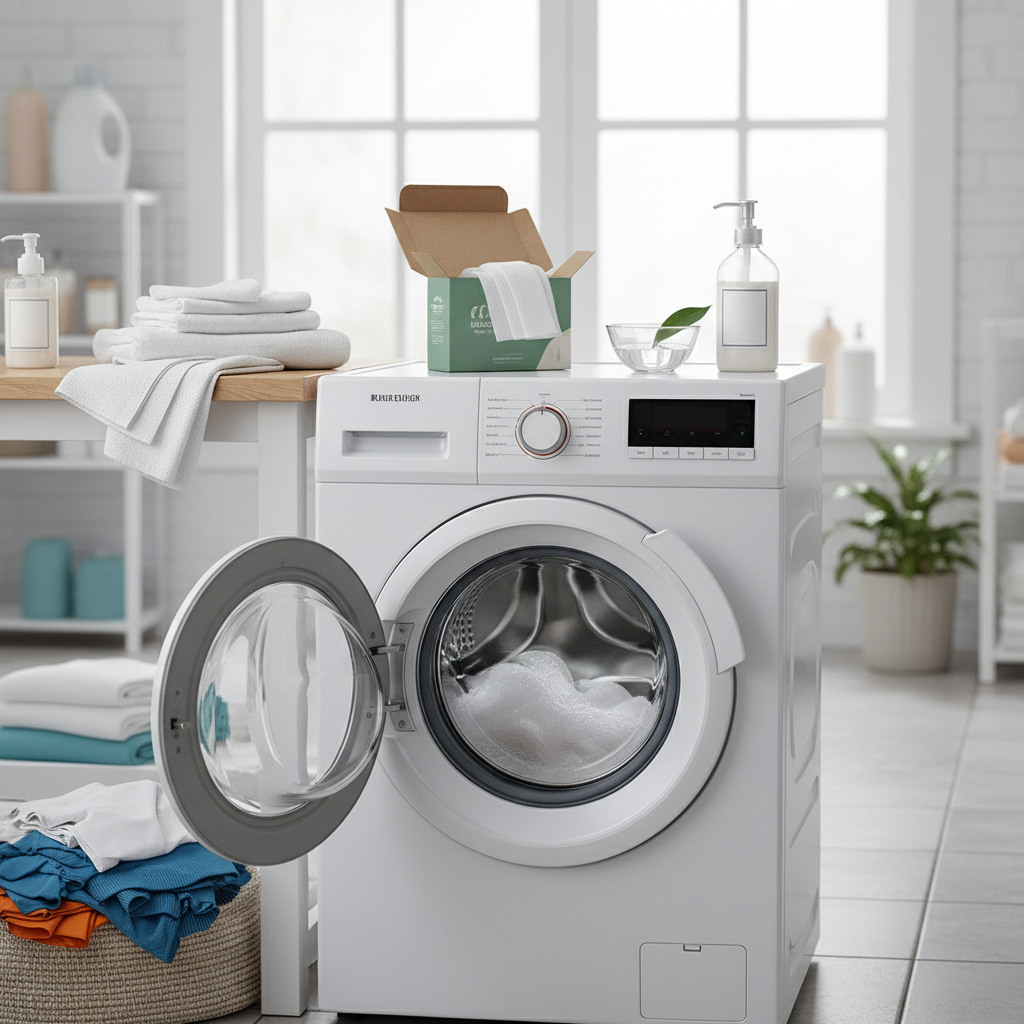
Do you ever pull laundry from your washing machine, only to find it doesn’t smell as fresh as you’d hoped, or worse, carries a faint musty odor? Many believe a machine designed to clean clothes must be self-cleaning, but that’s a common misconception. Over time, your washing machine can accumulate a hidden cocktail of detergent residue, fabric softener buildup, hard water minerals, mold, and mildew. This accumulation can lead to unpleasant smells, less effective cleaning cycles, and can even shorten the lifespan of your appliance.
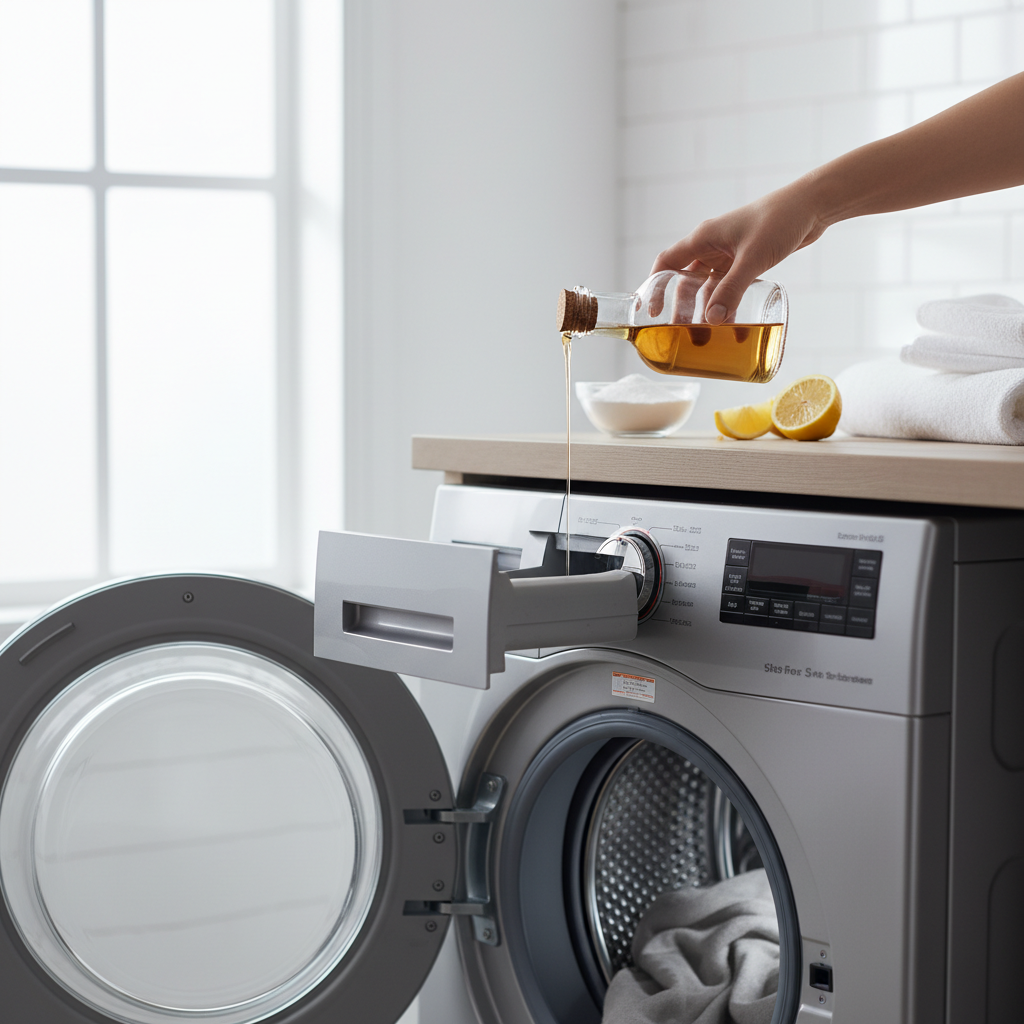
Fortunately, you don’t need harsh chemicals or expensive specialized cleaners to combat these issues. A simple, cost-effective, and natural solution lies within your pantry: white vinegar and baking soda. This powerful duo can effectively break down grime, neutralize odors, and leave your washing machine sparkling clean and fresh, ensuring your clothes get the pristine wash they deserve. This DIY guide will walk you through the steps to sanitize your washing machine, providing practical advice for both front-load and top-load models.
Why Your Washing Machine Needs Regular Sanitization
Despite its primary function, your washing machine is not a self-cleaning appliance. Each wash cycle leaves behind traces of what it washes away. Over time, this buildup creates an ideal environment for bacteria, mold, and mildew to thrive, especially in the damp, warm conditions inside the drum and around seals.
The consequences of neglecting regular washing machine sanitization are clear. Lingering odors can transfer to your “clean” laundry, leaving clothes smelling less than fresh. Detergent and mineral buildup can reduce your machine’s efficiency, potentially impacting its performance and requiring more energy to achieve the same results. Furthermore, mold and mildew can degrade rubber components, leading to costly repairs down the line. Regular cleaning isn’t just about smell; it’s about maintaining optimal performance and extending the life of one of your most used household appliances. Experts recommend cleaning your washing machine at least once a month.
The Power Duo: Vinegar and Baking Soda
When it comes to natural cleaning, white vinegar and baking soda are an unbeatable pair, each bringing unique properties to the fight against grime and odor in your washing machine.
- White Vinegar: This household staple contains acetic acid, a natural disinfectant and powerful solvent. The acid in white vinegar effectively breaks down and dissolves mineral deposits (like limescale from hard water), soap scum, and the sticky residue left behind by fabric softeners and detergents. Its acidic nature also makes it highly effective at killing mold and mildew, which are often responsible for those stubborn, musty smells.
- Baking Soda: A mild alkali, baking soda (sodium bicarbonate) is renowned for its deodorizing capabilities. It neutralizes unpleasant odors rather than simply masking them. Beyond its odor-fighting prowess, baking soda acts as a gentle abrasive, helping to scrub away residues without scratching the delicate surfaces of your washing machine drum. It also helps to soften water, enhancing the cleaning action.
Together, vinegar and baking soda create a synergistic effect. The vinegar works to dissolve and disinfect, while the baking soda neutralizes odors and provides a mild scrubbing action. This combination effectively cleans, deodorizes, and maintains your washing machine, leaving it hygienic and operating efficiently.
Step-by-Step Guide: Sanitizing Your Washing Machine with Vinegar
Sanitizing your washing machine with vinegar and baking soda is a straightforward process that yields impressive results. Before you begin, ensure your washing machine is completely empty.
Step 1: Tackle the Gasket and Exterior (Front-Load Specific)
For front-load washing machines, the rubber gasket around the door is a notorious breeding ground for mold and mildew due to trapped moisture and detergent residue.
- Prepare a cleaning solution: Mix equal parts white vinegar and warm water in a spray bottle.
- Clean the gasket: Gently pull back the folds of the rubber gasket and generously spray the vinegar solution onto any visible mold, mildew, or grime. Use a cloth dampened with the solution to wipe down the entire seal. An old toothbrush can be invaluable for scrubbing hard-to-reach crevices.
- Wipe the exterior: Spray your vinegar solution onto the exterior surfaces of your machine and wipe clean with a cloth.
- Dry thoroughly: After cleaning, use a dry, soft towel to thoroughly dry the gasket and surrounding areas to prevent immediate moisture buildup.
|
Our Picks for the Best Front load washing machine in 2026
As an Amazon Associate I earn from qualifying purchases.
|
||
| Num | Product | Action |
|---|---|---|
| 1 | BLACK+DECKER 4.5 Cu. Ft. Front Load Washer, Full Size Washing Machine with 12 Cycles, ENERGY STAR certified Washer Machine, Hot & Cold Inlet Hoses, LED Display, 120V, BFLW45M, White |

|
| 2 | Kenmore 4.5 cu. ft. Top Load Washer with Triple Action Impeller for Tough Dirt & Stains - Reduce Laundry Time with Accela Wash & Express Wash - LED - White |
|
| 3 | GE PROFILE 28 Inch Smart Front Load Washer with 4.8 cu. ft. Capacity in White GFW550SSNWW |
|
| 4 | West Bend Washer Compact Front Load Washing Machine with 15 Wash Cycles, LED Display, See-Through Door, Stackable and Space-Saving Design, for Apartments, RVs, and Small Spaces, 2.2 Cu.Ft., White |
|
| 5 | Samsung 4.5 cu. ft. High Efficiency Front Load Washer with Vibration Reduction Technology+, White, WF45T6000AW/A5 |
|
| 6 | GE 5.0 cu.ft. Smart Front Load Washer in White with Steam, UltraFresh Vent System, and Microban Technology |
|
| 7 | LG WM3400CW 4.5 cu ft Front-Load Washer – High-Efficiency, LoDecibel™ Quiet Operation, 6Motion™ Technology, White |
|
| 8 | Kenmore 4.5 cu. ft. Front Load Washer with Stain Removing Steam Treatment - Reduce Laundry Time with Accela Wash - LED - ENERGY STAR Certified - Metallic Silver |
|
| 9 | Maytag 4.5 cu ft. Front Load Washer with 12-hour Fresh Spin Option |
|
| 10 | GE GFW655SPVDS 5.0 cu.ft. Smart Front Load Washer with Steam, UltraFresh Vent System, Black |
|
Step 2: Clean the Detergent Dispenser
Detergent and fabric softener drawers often accumulate sticky residues and can harbor mold.
- Remove and soak: If your machine allows, remove the detergent and fabric softener drawers. Soak them in a solution of equal parts white vinegar and water for at least 30 minutes.
- Scrub and rinse: Use a soft brush or old toothbrush to scrub away any buildup. Rinse thoroughly under warm water and dry before reinserting.
- Wipe dispenser housing: Use a vinegar-dampened cloth to wipe down the inside of the dispenser housing where the drawers sit.
Step 3: Vinegar Wash Cycle (Deep Cleaning the Drum)
This step targets the interior drum, hoses, and hidden components of your washing machine.
- For Front-Load Machines:
- Pour two cups of white vinegar into the detergent dispenser.
- Set your washing machine to the hottest water setting and the longest or “Tub Clean” cycle available.
- Start the cycle and let it run its full course. The hot water and vinegar will work to dissolve mineral deposits, soap scum, and kill bacteria and mold throughout the internal system.
- For Top-Load Machines:
- Fill your washing machine with hot water on the largest load setting.
- Once the tub is full, add three to four cups of white vinegar directly into the water.
- Let the machine agitate for about a minute to mix the vinegar.
- Pause the cycle and allow the vinegar solution to sit and soak for 30 minutes to an hour. This extended soak time helps to penetrate and dissolve stubborn buildup.
- After soaking, resume the cycle and let it complete.
Step 4: Baking Soda Rinse Cycle
Following the vinegar cycle, baking soda will help neutralize any lingering odors and further clean the drum.
- Add baking soda: After the vinegar cycle (or soak and cycle for top-loaders) is complete, add half a cup to one cup of baking soda directly into the empty washing machine drum.
- Run a second cycle: Set your machine to another hot water cycle, preferably a rinse cycle, and let it run completely. The baking soda will act as a deodorizer and a mild abrasive, scrubbing away any loosened residue.
Step 5: Final Wipe Down and Air Dry
- Wipe interior: Once both cycles are finished, use a clean microfiber cloth to wipe down the interior of the drum, ensuring no residue is left behind.
- Air dry: The most crucial step for preventing future mold and mildew is to leave the washing machine door open after cleaning (and after every load of laundry). This allows the interior to air dry completely, inhibiting microbial growth.
Front-Load vs. Top-Load: Key Differences in Cleaning Approach
While the general principles of sanitizing with vinegar and baking soda apply to both, there are subtle differences in technique for front-load and top-load washing machines.
Front-Load Washers: These machines are praised for their efficiency but are more prone to mold and mildew, particularly around the rubber door gasket and in the detergent dispenser. The sealing design, while preventing leaks, can trap moisture. Therefore, extra attention to the gasket (as detailed in Step 1) and ensuring the door remains ajar between uses is paramount. The method involves adding vinegar to the dispenser and baking soda directly to the drum, relying on the machine’s internal cycles to circulate the cleaners.
Top-Load Washers: Older top-load models with agitators and newer High-Efficiency (HE) impeller models have different internal dynamics. For traditional top-loaders, the “soak” step (pausing the cycle with the vinegar solution) is particularly effective because the drum remains filled with water, allowing for prolonged contact with the cleaning solution. While less prone to gasket mold, they can still suffer from hard water buildup and detergent residue, especially above the waterline. The “Tub Clean” cycle, if available, is an excellent feature to utilize.
How Often Should You Sanitize Your Washer?
To keep your washing machine functioning optimally and smelling fresh, consistency is key.
- Monthly Cleaning: Most experts recommend a deep cleaning with vinegar and baking soda once a month. This routine helps prevent the accumulation of soap scum, mineral deposits, and the growth of mold and mildew before they become significant problems.
- More Frequent Cleaning: You might consider cleaning your machine more often if:
- You do a lot of laundry, especially heavily soiled items, pet bedding, or athletic gear.
- You live in a humid climate, which can accelerate mold and mildew growth.
- You notice persistent odors or residue on your clothes.
- In these cases, a bi-weekly cleaning or a quick rinse cycle with vinegar every couple of weeks can be beneficial.
Regular cleaning not only ensures your clothes are truly clean but also helps to prolong the life of your appliance and prevent costly repairs.
Important Considerations and Warnings
While vinegar is a fantastic natural cleaner, there are a few critical points to remember to ensure safety and prevent damage to your appliance.
- NEVER Mix Vinegar and Bleach: This is a crucial safety warning. Mixing vinegar (an acid) with bleach (sodium hypochlorite) creates a dangerous chemical reaction that releases chlorine gas, a toxic substance that can cause severe respiratory issues and other health problems. Always use these cleaners separately and rinse your machine thoroughly between uses if you alternate between them.
- Concerns About Rubber Seals and Hoses: Some appliance manufacturers, like Whirlpool, caution against the frequent use of highly acidic substances like vinegar directly in the washing machine drum, suggesting that over time, it could potentially degrade rubber seals and hoses. However, many cleaning experts and users report no issues when vinegar is used properly diluted in a wash cycle. The key is proper dilution and not allowing neat (undiluted) vinegar to sit on rubber components for extended periods. When used in a full wash cycle, the vinegar is significantly diluted by water, minimizing potential harm. If you have concerns, refer to your washing machine’s user manual.
- Always Leave the Door Open: For front-load washers especially, leaving the door ajar after every load of laundry is one of the simplest yet most effective ways to prevent mold and mildew growth. This allows air to circulate and the interior to dry out completely.
- Use High-Efficiency (HE) Detergent Correctly: If you have an HE washing machine, use only HE-specific detergents. These produce fewer suds, which can contribute to residue buildup and odor in HE machines. Using too much detergent, regardless of washer type, can also lead to issues.
- Regular Maintenance Habits: Beyond deep cleaning, simple habits like wiping down the drum and dispenser after use, removing laundry promptly, and regularly checking the lint trap (if applicable) can significantly contribute to a cleaner, fresher machine.
“A well-maintained washing machine not only extends its lifespan but also ensures your clothes are genuinely clean and free from hidden bacteria and odors. Prevention through regular cleaning is always better than cure.” – Admin, ReviewDP.com, Front Load Washing Machine Expert.
Conclusion
Sanitizing your washing machine with a simple DIY method using white vinegar and baking soda is an easy yet incredibly effective way to ensure your appliance remains hygienic, odor-free, and performs at its best. By dissolving mineral buildup, tackling soap scum, and eliminating mold and mildew, you’re not just getting a cleaner machine; you’re also guaranteeing truly fresh laundry and potentially extending the life of your valuable appliance.
Making this cleaning routine a regular part of your household maintenance – ideally once a month, or more often for heavy users – will make a noticeable difference. Remember the simple steps: clean the gasket and dispenser, run a vinegar cycle, follow with a baking soda cycle, and always allow your machine to air dry. By taking these proactive steps, you’re investing in cleaner clothes and a healthier home.
What natural cleaning tips or tricks have you found most effective for keeping your laundry appliances in top shape?
Frequently Asked Questions
Is vinegar safe for all washing machines?
White vinegar, when used correctly and diluted in a wash cycle, is generally considered safe for most modern washing machines. However, some manufacturers advise caution regarding its long-term effects on rubber seals and hoses due to its acidity. Always check your appliance’s user manual if you have concerns, and never use undiluted vinegar directly on rubber components for extended periods.
Can I use apple cider vinegar instead of white vinegar?
While apple cider vinegar has cleaning properties, white distilled vinegar is generally recommended for sanitizing washing machines. White vinegar has a higher acetic acid content and is less likely to leave behind any residue or scent compared to apple cider vinegar.
What if my washer still smells after cleaning?
If your washer still has a lingering odor after a thorough cleaning, it might indicate a more severe buildup of mold or a clogged filter/drain pump. Ensure you’ve meticulously cleaned the gasket and detergent dispenser. You might also need to check and clean the drain pump filter, typically located at the bottom front of the machine.
Can I put clothes in the washer with vinegar?
For sanitizing the machine itself, it’s best to run cycles without any clothes. However, vinegar can be used as a fabric softener or to boost cleaning in regular laundry loads. Add about half a cup of white vinegar to the fabric softener dispenser for brighter clothes and odor reduction, but avoid mixing it directly with detergent, especially pods, as it can affect their efficacy.
What causes the musty smell in my washing machine?
The musty smell in your washing machine is primarily caused by the buildup of mold and mildew. This occurs due to trapped moisture, detergent residue, and fabric softener accumulation within the drum, rubber gasket, and dispenser drawers, creating a perfect environment for these microbes to grow. Not leaving the door open to air dry is a major contributor.