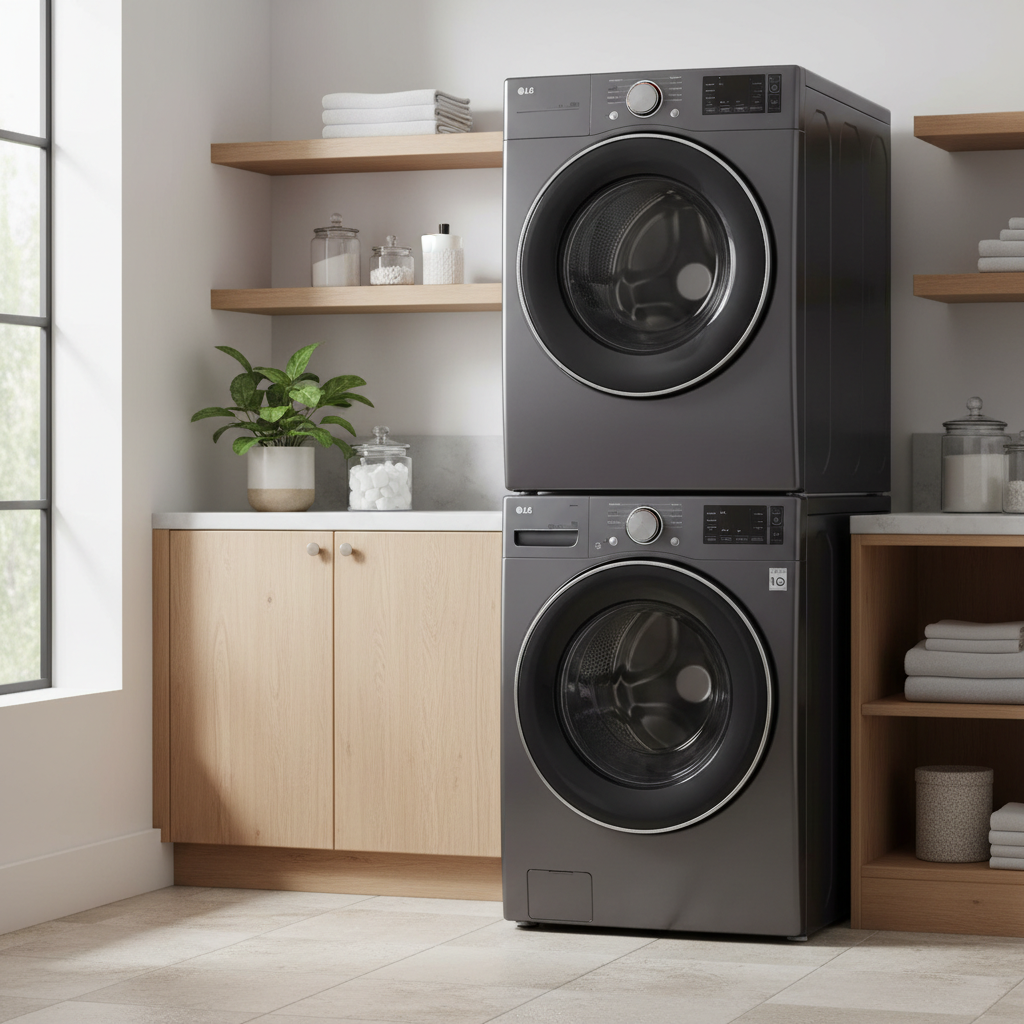
Front load washing machines have revolutionized laundry day, offering superior cleaning performance, energy efficiency, and a sleek aesthetic that complements modern homes. Yet, the very design that makes them so effective can also lead to a common, frustrating issue: the accumulation of moisture and residue in the door seal, or gasket. Over time, this can transform your sparkling appliance into a breeding ground for mold, mildew, and unpleasant odors, jeopardizing both your clothes’ freshness and your machine’s longevity. This comprehensive guide, informed by years of experience with hundreds of models, delves into the nuances of front load washers, emphasizing why a simple daily wipe of the door seal is not just a chore, but a critical habit for every household. By understanding the benefits, recognizing potential pitfalls, and adopting smart maintenance, you can ensure your front load washing machine continues to deliver pristine results for years to come.
Advantages and Disadvantages of Front Load Washing Machines
Front load washing machines are celebrated for numerous reasons, but they also come with a few trade-offs. Understanding these can help you make an informed decision and manage your expectations for maintenance.
Advantages:
- Superior Cleaning Performance: Unlike top loaders that use an agitator, front load washers employ a tumbling action that lifts and drops clothes into water, mimicking hand washing. This motion, combined with specialized wash cycles, provides a deeper, more thorough clean, effectively tackling stubborn stains while being gentler on fabrics.
- Water and Energy Efficiency: Front loaders use significantly less water than traditional top load models because the drum fills just enough to saturate the clothes as they tumble. This reduced water usage directly translates to lower energy consumption, as less water needs to be heated, leading to noticeable savings on utility bills.
- Gentler on Clothes: The absence of a central agitator means less friction and stretching of fabrics, preserving the integrity of your garments over time. This makes front loaders ideal for delicate items and extends the life of your wardrobe.
- Space-Saving and Quieter Operation: Many front load models are designed to be stackable with compatible dryers, making them an excellent choice for smaller laundry rooms or apartments where space is at a premium. They also tend to operate more quietly due to advanced suspension systems and motor designs, making laundry less disruptive.
|
Our Picks for the Best Front load washing machine in 2026
As an Amazon Associate I earn from qualifying purchases.
|
||
| Num | Product | Action |
|---|---|---|
| 1 | West Bend Washer Compact Front Load Washing Machine with 15 Wash Cycles, LED Display, See-Through Door, Stackable and Space-Saving Design, for Apartments, RVs, and Small Spaces, 2.2 Cu.Ft., White |

|
| 2 | Kenmore 4.5 cu. ft. Front Load Washer with Stain Removing Steam Treatment - Reduce Laundry Time with Accela Wash - LED - ENERGY STAR Certified - Metallic Silver |
|
| 3 | GE PROFILE 28 Inch Smart Front Load Washer with 4.8 cu. ft. Capacity in White GFW550SSNWW |
|
| 4 | Maytag 4.5 cu ft. Front Load Washer with 12-hour Fresh Spin Option |
|
| 5 | GE 5.0 cu.ft. Smart Front Load Washer in White with Steam, UltraFresh Vent System, and Microban Technology |
|
| 6 | Kenmore 4.5 cu. ft. Top Load Washer with Triple Action Impeller for Tough Dirt & Stains - Reduce Laundry Time with Accela Wash & Express Wash - LED - White |
|
| 7 | Samsung 4.5 cu. ft. High Efficiency Front Load Washer with Vibration Reduction Technology+, White, WF45T6000AW/A5 |
|
| 8 | BLACK+DECKER 4.5 Cu. Ft. Front Load Washer, Full Size Washing Machine with 12 Cycles, ENERGY STAR certified Washer Machine, Hot & Cold Inlet Hoses, LED Display, 120V, BFLW45M, White |
|
| 9 | LG WM3400CW 4.5 cu ft Front-Load Washer – High-Efficiency, LoDecibel™ Quiet Operation, 6Motion™ Technology, White |
|
| 10 | GE GFW655SPVDS 5.0 cu.ft. Smart Front Load Washer with Steam, UltraFresh Vent System, Black |
|
Disadvantages:
- Higher Upfront Cost: Front load washing machines generally have a higher initial purchase price compared to their top load counterparts. While the long-term energy and water savings can offset this cost, it’s a significant consideration for budget-conscious buyers.
- Longer Wash Cycles: To achieve their superior cleaning with less water, front loaders often have longer wash cycles. This can be inconvenient for households with high laundry volumes or those needing quick turnarounds.
- Requires Specialized Detergent: Front load washers are designed for high-efficiency (HE) detergents, which produce fewer suds. Using conventional detergent can lead to excessive sudsing, machine residue, and potential operational issues.
- Susceptibility to Mold and Odor: The tight seal of the door gasket, essential for preventing leaks, can trap moisture, lint, and detergent residue. This warm, damp environment is an ideal breeding ground for mold and mildew, leading to musty odors in the machine and potentially on your freshly washed clothes if not properly maintained.
- Bending to Load and Unload: The horizontal drum requires users to bend over to load and unload laundry, which can be an ergonomic challenge for some individuals. Pedestal drawers can alleviate this by raising the machine’s height.
- Inability to Add Items Mid-Cycle: Once a front load cycle begins and the door locks for safety, it’s typically not possible to add forgotten items. This can be a minor inconvenience for busy households.
Price Segments for Front Load Washing Machines
The market for front load washing machines offers a wide array of options, catering to different budgets and feature preferences.
Budget-Friendly (Under $800):
This segment typically includes models with essential washing functions without many advanced smart features. They are a practical choice for students, single individuals, or small households looking for basic efficiency and cleaning power without a significant investment. While reliable for everyday use, they might have fewer specialized cycles or a shorter lifespan compared to higher-end models.
Mid-Range ($800 – $1,500):
In this popular category, you’ll find a balance of advanced features, improved durability, and enhanced performance. Machines in this range often include steam cycles, various soil level sensors, faster spin speeds, and better noise reduction. They are well-suited for small to medium-sized families who prioritize a wider range of washing options and a more robust build quality. Brands like LG, Samsung, and GE offer many competitive models in this price bracket.
Premium (Above $1,500):
The high-end segment showcases cutting-edge technology, luxurious designs, and superior build quality. These washers boast extensive smart features, such as AI-powered cycle optimization, automatic detergent dispensing, Wi-Fi connectivity for remote control, and specialized antimicrobial protection for gaskets. With larger capacities and advanced stain removal capabilities, premium models are ideal for large families, tech enthusiasts, or anyone seeking the ultimate laundry experience with maximum efficiency and durability. Brands like Speed Queen, Miele, and top-tier LG and Samsung models often fall into this category.
Top Front Load Washing Machine Brands Today
The front load washer market is dominated by several reputable brands, each bringing unique innovations and features to the table.
LG:
LG is a consistent leader in the appliance industry, known for its innovative technologies and reliable performance.
- Key Technologies: LG’s TurboWash 360 uses multiple powerful jets to cut down wash times significantly, while Allergiene Steam cycles are designed to remove common household allergens. Many models also feature AI Fabric Sensors that detect fabric texture and load size to optimize wash settings automatically.
- Model Lineup: Popular models often include smart features like Smart Pairing, which allows the washer to communicate with a compatible LG dryer to select the optimal drying cycle. Their WashTower units offer a sleek, integrated design with controls conveniently placed in the middle.
Samsung:
Samsung combines stylish design with advanced technology, making their front load washers both aesthetically pleasing and highly functional.
- Key Technologies: Samsung’s Bespoke AI Front Load Washers offer customizable designs and an AI Smart Dial that learns user preferences and recommends optimal cycles. The Super Speed Wash feature significantly reduces wash times without compromising cleaning quality, and Flex Auto Dispense Systems automatically dispense the right amount of detergent.
- Model Lineup: Samsung frequently integrates steam wash capabilities for stubborn stains and antimicrobial technology into its designs to combat mold and odor. Many models also feature quiet operation and high-capacity drums.
GE:
GE focuses on practical innovation, often addressing common pain points with clever engineering.
- Key Technologies: GE’s UltraFresh Vent System with Odorblock and Microban Technology is a standout feature designed to prevent mold and odors. The vent system helps dry the gasket and interior after a cycle, while Microban antimicrobial protection is integrated into the gasket itself.
- Model Lineup: GE front loaders are known for their robust build and user-friendly interfaces. Some models offer reversible doors for flexible installation and automatic detergent dispensers for added convenience. They are often praised for their reliability and effective customer service.
Front Load Washing Machine Comparison Table
| Feature / Model | LG WM4000HWA | Samsung WF50BG8300 | GE GFW655SSNWW |
|---|---|---|---|
| Price Range | Mid-Range ($900-$1,200) | Premium ($1,500+) | Mid-Range ($900-$1,200) |
| Capacity | 4.5 cu. ft. | 5.3 cu. ft. | 4.8 cu. ft. |
| Key Technology | TurboWash 360, AI DD | AI Smart Dial, Super Speed | UltraFresh Vent System, Microban |
| Noteworthy Feature | Steam, Smart Pairing | Flex Auto Dispense | OdorBlock, Reversible Door |
| Pros | Fast cycles, gentle on clothes, smart features | Large capacity, intuitive AI, auto-dispense | Mold/odor prevention, durable |
| Cons | Can be pricey | Higher cost, less brand service support | Deeper than some models |
Your Essential Guide to Choosing a Front Load Washing Machine (Buying Guide)
Selecting the perfect front load washing machine involves more than just picking a brand. A thoughtful approach ensures you invest in an appliance that truly meets your household’s needs and lifestyle.
Determine Your Usage Needs:
- Family Size: For a single person or couple, a smaller capacity (2.2-3.5 cu. ft.) might suffice. Larger families (4+ members) will benefit from capacities of 4.5 cu. ft. or more to handle bulky items and reduce the number of loads.
- Laundry Frequency: If you do laundry multiple times a week, features like faster wash cycles (e.g., LG’s TurboWash, Samsung’s Super Speed) and durable construction will be crucial.
- Types of Garments: Consider if you frequently wash delicates, heavily soiled work clothes, or allergen-sensitive items. Look for machines with specific cycles like “delicate,” “sanitize,” or “allergen” modes, and steam functions.
Set Your Budget:
Front load washers span a wide price spectrum. Define how much you are willing to spend, keeping in mind that higher initial costs often translate to better energy efficiency, more advanced features, and greater longevity. Factor in potential long-term savings from reduced water and electricity bills.
Choose a Reputable Brand:
Research brands known for reliability, customer satisfaction, and innovative technology. Leading brands like LG, Samsung, GE, Whirlpool, Electrolux, and Speed Queen consistently receive high ratings. Consider their warranty offerings and local service availability.
Evaluate Key Features:
- Wash Technologies: Look for features like steam cycles for deep cleaning and stain removal, or specialized tumbling actions for fabric care.
- Energy and Water Efficiency: Check for Energy Star certification to ensure the machine meets strict efficiency guidelines. Higher efficiency often means lower operating costs.
- Noise Reduction: If your laundry room is near living areas, models with vibration reduction technology or direct-drive motors will offer quieter operation.
- Smart Features: Wi-Fi connectivity, app control, and AI-powered cycle customization can add convenience, allowing you to manage laundry remotely or receive cycle notifications.
- Mold Prevention Features: Prioritize models with specific technologies designed to combat mold and odor, such as GE’s UltraFresh Vent System or Whirlpool’s FreshFlow with antimicrobial seals.
Read User Reviews:
Consumer reviews offer invaluable real-world insights into a machine’s performance, durability, and user experience. Pay attention to comments regarding cleaning effectiveness, noise levels, reliability, and especially any mention of mold or odor issues and how users manage them.
The Critical Role of the Front Load Washer Door Seal: Why Daily Wiping is a Must
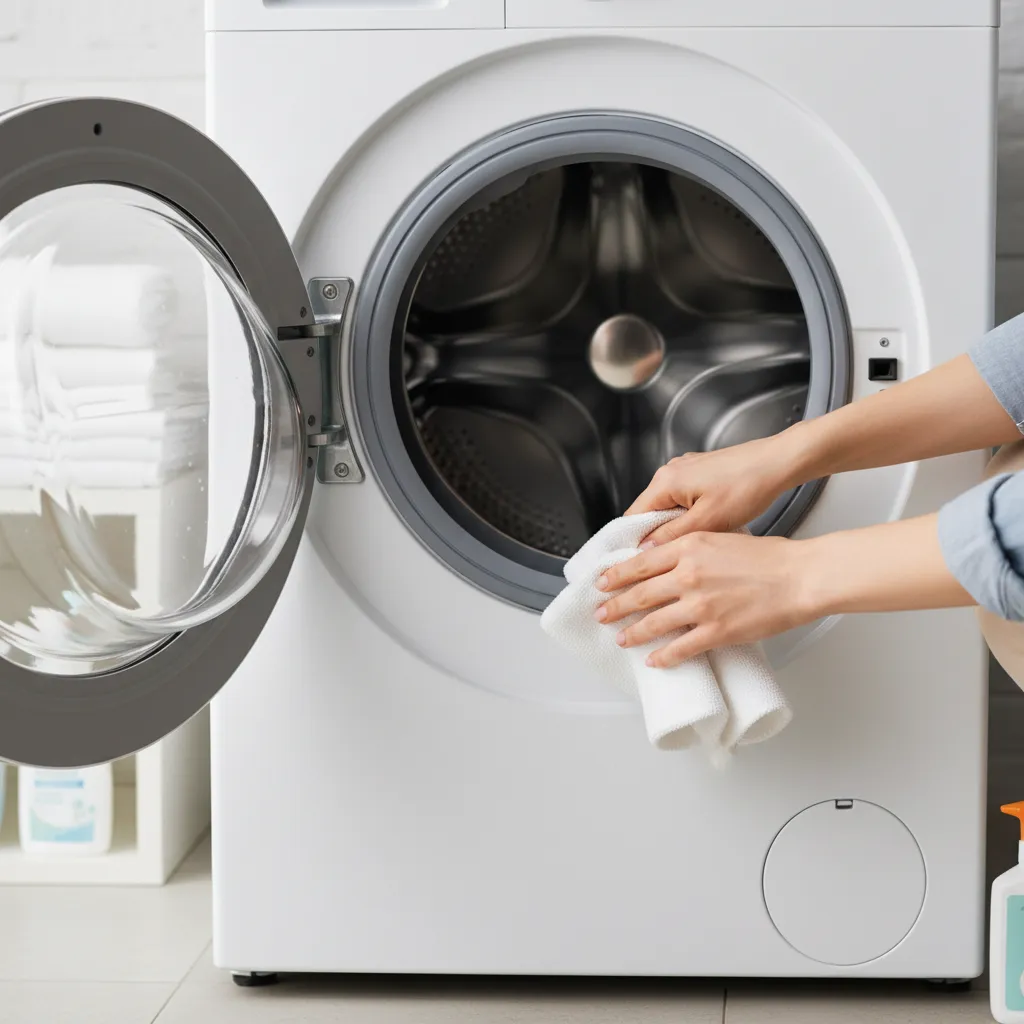
While front load washing machines offer many advantages, their design creates a specific vulnerability: the door seal. This rubber gasket forms a watertight barrier during cycles but can become a problematic area if neglected. A simple, consistent routine of wiping the door seal after every use is paramount for maintaining both your machine’s performance and your laundry’s hygiene.
Preventing Mold and Mildew:
The most significant reason to wipe the door seal is to prevent the growth of mold and mildew. After each wash cycle, residual water, lint, and detergent particles inevitably get trapped in the folds of the rubber gasket. This creates a dark, moist, and warm environment—the perfect breeding ground for these fungi. Mold and mildew not only look unsightly but can also degrade the rubber seal over time, potentially leading to leaks. More importantly, mold spores can transfer to your clothes, causing skin irritation and respiratory issues for sensitive individuals.
“A damp washing machine gasket is a haven for mold and mildew. Regular wiping is the most effective defense against this persistent problem.” – Sarah Jenkins, Home Appliance Specialist
Eliminating Unpleasant Odors:
The musty, sour smell often associated with front load washers is a direct result of mold, mildew, and biofilm accumulating on the door seal. This unpleasant odor can easily transfer to your “clean” laundry, leaving clothes smelling anything but fresh. By wiping the seal, you remove the organic matter that feeds these odor-causing microorganisms, ensuring your machine—and your clothes—remain fresh and clean. This is especially crucial for items like towels, workout gear, and baby clothes, where hygiene is paramount.
Extending Appliance Lifespan:
Neglecting the door seal can shorten your washing machine’s life. Constant exposure to moisture and corrosive detergent residue can cause the rubber to harden, crack, or become brittle. A damaged seal can compromise its ability to hold water, leading to costly leaks and potential water damage to your home. Regular wiping helps maintain the elasticity and integrity of the seal, preventing premature wear and tear and reducing the likelihood of expensive repairs.
Maintaining Optimal Hygiene:
Ultimately, the goal of a washing machine is to clean and sanitize your clothes. If the machine itself harbors mold and bacteria, it can undermine its own purpose. A clean door seal means a more hygienic washing environment, ensuring that every load of laundry truly comes out pristine and fresh. This daily habit reinforces the cleanliness of your entire appliance, from the drum to the detergent dispenser.
How to Wipe and Maintain for Lasting Freshness:
- After Every Wash: Use a clean, dry cloth or paper towel to thoroughly wipe down the entire door seal, paying close attention to the inner folds where moisture and debris tend to collect.
- Leave the Door Ajar: After wiping, leave the washer door slightly ajar between uses. This allows air to circulate inside the drum and seal, promoting complete drying and preventing moisture from getting trapped.
- Monthly Deep Clean: Approximately once a month, or every 30 cycles, perform a deeper clean. Mix equal parts white vinegar and water, or use a diluted bleach solution (check your manufacturer’s recommendations). Spray the solution onto the seal, let it sit for a few minutes, then scrub gently with a soft brush or cloth. Rinse thoroughly with water and dry completely.
- Use HE Detergent Correctly: Always use high-efficiency (HE) detergent and follow the dosing instructions precisely. Overdosing can leave behind excessive suds and residue, contributing to buildup in the seal.
- Run Self-Clean Cycles: Utilize your washer’s “self-clean” or “tub clean” cycle monthly to sanitize the drum and hoses.
Conclusion
Front load washing machines are powerful, efficient appliances that can significantly upgrade your laundry routine, offering superior cleaning and energy savings. However, their design necessitates a proactive approach to maintenance, particularly concerning the door seal. The simple act of wiping the rubber gasket after every use is a small investment of time that yields immense returns: it effectively prevents the growth of unsightly and unhealthy mold and mildew, eradicates unpleasant odors, extends the lifespan of your appliance, and ensures every load of laundry emerges truly fresh and clean.
By embracing this essential maintenance habit, along with thoughtful consideration of capacity, features, and brand reliability when making your initial purchase, you empower yourself to harness the full potential of your front load washing machine. Are you ready to transform your laundry experience with sparkling clean clothes and a long-lasting, fresh-smelling appliance?
Frequently Asked Questions
Why do front load washing machines get moldy?
Front load washers are prone to mold because their tightly sealed doors and the rubber gasket trap moisture, lint, and detergent residue after each cycle. This creates a warm, dark, and damp environment—perfect conditions for mold and mildew to thrive if the seal is not regularly dried and cleaned.
Can mold from a washing machine affect health?
Yes, mold and mildew in a washing machine can affect health, particularly for individuals with allergies, asthma, or compromised immune systems. Mold spores can transfer to clothes and become airborne, potentially causing respiratory irritation, skin rashes, or triggering allergic reactions.
How often should I clean the rubber seal on my front load washer?
For optimal prevention of mold and odors, you should wipe down the rubber seal with a dry cloth after every use. A deeper clean with a diluted vinegar or bleach solution is recommended monthly, or every 30 wash cycles, to remove stubborn buildup.
What causes a front load washing machine to smell bad?
A bad smell in a front load washing machine is primarily caused by mold, mildew, and bacteria growth on the door seal and within the drum due to trapped moisture and detergent residue. Leaving the door open and regularly wiping the seal are key preventive measures.
Is it safe to use bleach to clean my washing machine seal?
Yes, diluted chlorine bleach can be an effective way to deep clean a washing machine seal and kill mold and mildew. Always consult your washer’s manual for specific cleaning instructions and wear gloves to protect your skin when using bleach. A 50/50 white vinegar and water solution is a common alternative.
Can leaving the washing machine door open help prevent mold?
Absolutely. Leaving the washing machine door (and detergent drawer) open after each use allows air to circulate and moisture inside the drum and around the door seal to evaporate. This significantly reduces the humid environment that mold and mildew need to grow.
What kind of detergent should I use for a front load washer?
You should always use high-efficiency (HE) detergent specifically designed for front load washing machines. HE detergents produce fewer suds, which helps prevent residue buildup in the machine and ensures proper rinsing, contributing to a cleaner, odor-free washer.