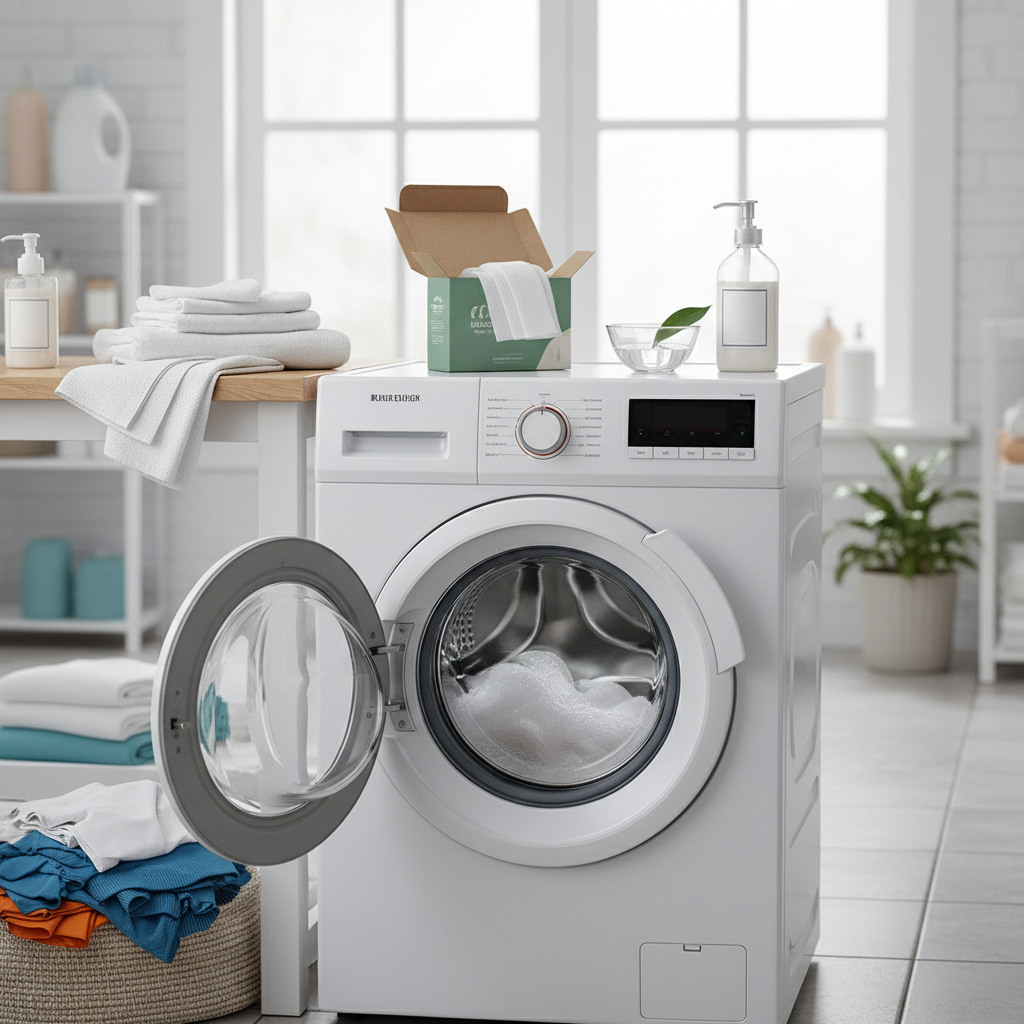
A leaky front load washing machine can quickly turn laundry day into a frustrating cleanup. Often, the culprit is a damaged door boot seal, also known as a gasket or bellows, which keeps water contained within the drum. While replacing this component might seem daunting, it’s a manageable DIY project that can save you a significant amount on repair costs. This guide will walk you through each step, from diagnosing the problem to enjoying a leak-free laundry routine, empowering you with the knowledge to tackle this common appliance repair.
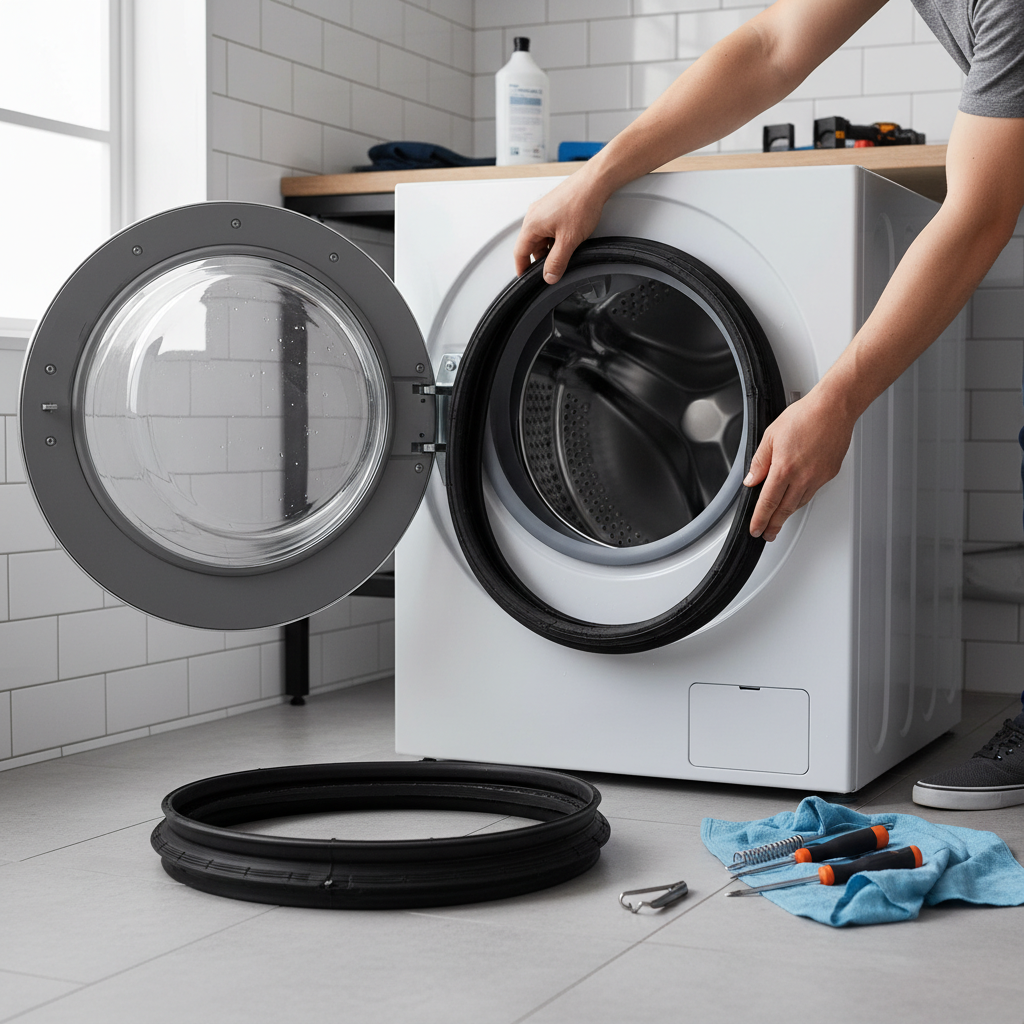
Understanding Your Front Load Washer’s Door Boot Seal
What is the Door Boot Seal and Why is it Essential?
|
Our Picks for the Best Front load washing machine in 2026
As an Amazon Associate I earn from qualifying purchases.
|
||
| Num | Product | Action |
|---|---|---|
| 1 | Samsung 4.5 cu. ft. High Efficiency Front Load Washer with Vibration Reduction Technology+, White, WF45T6000AW/A5 |

|
| 2 | GE 5.0 cu.ft. Smart Front Load Washer in White with Steam, UltraFresh Vent System, and Microban Technology |
|
| 3 | GE GFW655SPVDS 5.0 cu.ft. Smart Front Load Washer with Steam, UltraFresh Vent System, Black |
|
| 4 | GE PROFILE 28 Inch Smart Front Load Washer with 4.8 cu. ft. Capacity in White GFW550SSNWW |
|
| 5 | LG WM3400CW 4.5 cu ft Front-Load Washer – High-Efficiency, LoDecibel™ Quiet Operation, 6Motion™ Technology, White |
|
| 6 | Maytag 4.5 cu ft. Front Load Washer with 12-hour Fresh Spin Option |
|
| 7 | Kenmore 4.5 cu. ft. Front Load Washer with Stain Removing Steam Treatment - Reduce Laundry Time with Accela Wash - LED - ENERGY STAR Certified - Metallic Silver |
|
| 8 | BLACK+DECKER 4.5 Cu. Ft. Front Load Washer, Full Size Washing Machine with 12 Cycles, ENERGY STAR certified Washer Machine, Hot & Cold Inlet Hoses, LED Display, 120V, BFLW45M, White |
|
| 9 | West Bend Washer Compact Front Load Washing Machine with 15 Wash Cycles, LED Display, See-Through Door, Stackable and Space-Saving Design, for Apartments, RVs, and Small Spaces, 2.2 Cu.Ft., White |
|
| 10 | Kenmore 4.5 cu. ft. Top Load Washer with Triple Action Impeller for Tough Dirt & Stains - Reduce Laundry Time with Accela Wash & Express Wash - LED - White |
|
The door boot seal is the flexible rubber gasket that forms a watertight barrier between your washing machine’s outer tub and the door opening. Its primary function is to prevent water from leaking out of the washer during cycles, protecting both your floor and the internal electrical components from moisture damage. Beyond containing water, it also helps dampen vibrations and ensures a tight seal for optimal washing performance.
Signs Your Door Boot Seal Needs Replacement
Identifying a failing door boot seal typically involves a few clear indicators. The most obvious sign is visible water leaking from the front of your washing machine, particularly around the door during or after a wash cycle. Beyond leaks, look for visible tears, cracks, or holes in the rubber, which compromise its sealing ability. Another common issue is excessive mold or mildew buildup that cannot be cleaned, leading to persistent foul odors in your laundry and washing machine. If your clothes come out smelling musty, even after a wash, a compromised or moldy seal could be the cause.
Common Causes of Damage
Several factors can contribute to the deterioration or damage of a front load washer door boot seal. Leaving hard objects like coins, keys, or small foreign items in pockets can cause punctures or tears when spun against the seal during agitation. Over time, the use of excessive detergent or bleach can also accelerate the rubber’s breakdown, making it brittle and prone to cracking. Additionally, frequent exposure to moisture without proper ventilation can lead to mold and mildew, which, if left unchecked, can degrade the material and cause leaks.
Tools and Materials You’ll Need
Before embarking on this repair, gather the necessary tools and the correct replacement part to ensure a smooth process. Having everything organized beforehand will save you time and frustration.
Essential Tools
You will typically need a standard set of household tools for this repair:
- Phillips and flathead screwdrivers: For various screws and prying.
- 5/16-inch nut driver (or socket wrench set): For specific bolts.
- Pliers (needle nose and/or vice grips): Crucial for manipulating spring clamps.
- Specialized spring clamp pliers/retainers (optional but recommended): These tools, such as outer spring pliers (part number 383EER4001A) and inner spring clamp tools (part 383EER4004A), can make removing and reinstalling the tensioning clamps much easier. If you don’t have them, regular pliers and patience can sometimes suffice, though it will be more challenging.
- Small, sturdy piece of wood: To prop up the washer if needed for accessing bottom screws.
- Scissors: For cutting zip ties.
- New zip ties: If your washer’s vent tube or other components are secured with them.
- Mild liquid soap (like dish detergent): A small dab helps lubricate the new seal for easier installation.
Replacement Part
The most critical item is the compatible replacement door boot seal. To ensure you get the correct part, locate your washing machine’s full model number. This number is usually found on a sticker behind the washer door, along the front panel wall, on the door itself, behind the kickplate at the bottom, or on the back of the appliance. Once you have the model number, you can search for the exact OEM (Original Equipment Manufacturer) part online or at an appliance parts store. Using an incompatible seal can lead to improper fit, continued leaks, and further damage to your machine.
Safety First
Any appliance repair requires adherence to strict safety protocols. Always disconnect your washing machine from the power supply by unplugging it from the wall outlet or switching off the circuit breaker before you begin. Additionally, shut off both the hot and cold water supply to the washing machine. It is also highly recommended to wear work gloves to protect your hands from sharp edges or pinch points during the repair process. Ensure the appliance is completely dry before you start. If you need to move the washer, consider having someone assist you to prevent injury.
Step-by-Step Guide: Replacing Your Front Load Washing Machine Door Boot Seal
This process outlines the general steps for most front load washers. Specific screw locations or panel removal techniques may vary slightly by brand and model. Refer to your appliance’s manual if any steps seem unclear for your particular unit.
Step 1: Prepare Your Washer for Repair
Before starting, ensure your washer is unplugged and the water supply is shut off. Clear the area around the washing machine to provide ample working space. This repair involves removing several panels, so you’ll need room to maneuver and place parts safely.
Step 2: Access the Inner Workings
The goal here is to get clear access to the door boot seal and its clamps. This typically involves removing the top, control, and front panels of the washer.
Removing the Top Panel
Start by removing the two screws located at the back of the washer that secure the top panel. Once these screws are out, slide the top panel backward a few inches, then lift it up and off the washer.
Removing the Detergent Dispenser and Control Panel
- Pull the detergent dispenser drawer out until it stops. Locate and press the release tab (usually at the back of the drawer) to fully remove the dispenser assembly.
- Next, remove any screws that were hidden behind the dispenser housing.
- Unplug any wire harness connections to the control panel by pressing their release tabs and carefully sliding them apart.
- Gently lift the control panel to release it from its mounting tabs (often across the top) and pull it off the washer. In some models, you might roll it back and out of the way without full disconnection.
Removing the Front Panel
- Open the drain pump filter cover, usually located at the bottom of the front panel. Remove any screws securing the plastic pump housing to the washer frame. Then, remove the pump housing itself.
- Locate any mounting screws along the bottom of the front panel and remove them.
- Open the washer door.
- Remove the outer spring clamp: This clamp holds the door boot seal to the front panel. Lift the door boot seal slightly at the bottom to locate the wire clamp, which will have a spring. Using needle nose pliers (or specialized outer spring pliers), grab the wire near the spring, expand it, and pull it away to release the clamp.
- Once the outer clamp is off, peel the rubber boot seal away from the lip of the front panel.
- Remove the remaining screws (usually 7-9) along the top of the front panel.
- Close the washer door. Carefully tip the top of the front panel forward and disconnect any wire harness from the door lock/switch assembly.
- You can now pull the front panel completely off the washer and set it aside. Note: Some models may allow you to work through the door opening without removing the entire front panel, but full removal provides better access.
Step 3: Detach the Old Door Boot Seal
With the front panel removed, you have clear access to the old, damaged door boot seal.
Disconnecting Hoses and Wires (if applicable)
- On some washers, there may be a white vent tube connected to the top of the boot seal. Gently remove this tube by hand. It might be secured with a zip tie or clamp, which you’ll need to cut or loosen.
- Look for any other hoses or wire harnesses (e.g., for a drum light) connected to the boot seal and disconnect them using pliers or by releasing locking tabs.
Removing the Inner Clamp
This clamp secures the door boot seal to the washer drum.
- Lift the boot seal slightly to find the inner clamp.
- If it’s a wire clamp (similar to the outer one), use your needle nose pliers to expand the spring and remove it.
- If it’s a flexible spring clamp, use a flathead screwdriver to carefully pry it out of place and remove it.
Carefully Removing the Old Seal
Once all clamps, hoses, and wires are disconnected, gently pull the old door boot seal off the washer tub. It may require a firm tug if it’s been in place for a long time or if any adhesive was used.
Step 4: Clean and Prepare for the New Seal
This is a crucial step to prevent future issues and ensure the longevity of your new seal. Thoroughly clean the area where the boot seal sits on both the washer drum and the front cabinet. Use a mild all-purpose cleaner or a solution of white vinegar and water to remove any grime, mold, mildew, or detergent residue. Ensure the surfaces are completely dry before installing the new seal. This clean surface will allow the new seal to seat properly and prevent mold from re-forming quickly.
Step 5: Install the New Door Boot Seal
Installing the new seal requires patience and precision to ensure a watertight fit.
Aligning the Seal
- Before positioning the new seal, transfer any components from the old seal to the new one (e.g., drain ports or small tubes).
- Locate the alignment mark on the new door boot seal – typically a triangle or arrow – which usually points to the 12 o’clock position (the very top). Directly beneath this mark, there’s often a corresponding divot that must seat onto a tab on the washer drum.
- Add a small dab of liquid soap (like dish detergent) to the edge of the washer drum where the boot seal will sit. This lubrication will help the new rubber slide into place more easily.
Securing the Inner Clamp
- Start installing the new boot onto the washer drum, aligning the 12 o’clock mark with the tab on the drum. Carefully work the seal around the entire outer edge of the drum by hand, ensuring it is properly seated all the way around. Avoid using sharp tools, as they could damage the new rubber.
- Once the seal is seated, reinstall the inner clamp. If it’s a wire clamp, work it in by hand, then use pliers or vice grips to stretch the spring into place, locking the clamp. If it’s a spring clamp, work it in by hand from one side, using spring retainers (plastic tubes) or careful stretching with pliers to guide it into position around the boot.
Reconnecting Hoses and Wires
Reinstall the vent tube (if present) onto the top of the door boot seal, securing it with a new zip tie if necessary. Reconnect any other hoses or wire harnesses, ensuring they click into place or are secured with their respective clamps.
Step 6: Reassemble Your Washing Machine
Now, reverse the disassembly steps to put your washing machine back together.
Reattaching the Front Panel
- Position the front panel in front of the washer’s cabinet.
- Reconnect the wire harness to the door lock/switch assembly, ensuring the locking tab snaps into place.
- Lift the front panel and align it with its mounting brackets and screw holes. Insert and firmly tighten the screws along the top of the front panel.
- Open the washer door. Position the new door boot properly around the lip of the opening in the front door panel.
- Reinstall the outer spring clamp: Work this clamp into the ridge around the door boot by hand. If you have outer spring pliers, use them to expand the spring and secure the clamp fully. If not, carefully use regular pliers or vice grips to stretch the spring into position, taking care not to damage the boot. A useful trick: if without specialized pliers, attach vice grips to one side of the spring and pull it straight sideways to expand and work the clamp the rest of the way onto the lip.
- Reinsert the screw into the bottom base of the washer (in the pump housing opening) and tighten it.
- Push the drain pump filter housing back into its recess on the front panel and reinstall any mounting screws. Close the drain pump filter housing door.
Reinstalling the Control Panel and Detergent Dispenser
- Position the control panel onto the top of the front panel, ensuring the top tabs click into place. Reinstall any mounting screws.
- Reinstall the screws for the dispenser housing.
- Plug in all wire harness connections for the control panel.
- Slide the detergent dispenser drawer back into its housing until it clicks into place.
Replacing the Top Panel
- Set the top panel a few centimeters back from the front of the washer, then slide it forward until it clips into place on the washer frame.
- Reinstall the two screws at the back of the washer to secure the top panel, avoiding overtightening.
Step 7: Final Test Run
Once everything is reassembled, plug your washer back into the electrical outlet and turn the water supply back on. Run an empty test cycle (without laundry or detergent) to check for any leaks or unusual noises. Carefully inspect around the door and under the washer during this cycle. If no leaks are present, your repair is successful, and your front load washing machine is ready for use again!
Troubleshooting Common Issues During Replacement
Even with clear instructions, you might encounter a few hurdles.
- Difficulty with Spring Clamps: These clamps can be tight and tricky. If you don’t have specialized spring clamp pliers, a flathead screwdriver can help pry the clamp open, but be cautious not to damage the washer’s finish or the new seal. For reinstallation, vice grips can help stretch the spring into place. Patience is key.
- New Seal Not Seating Correctly: If the new boot seal doesn’t seem to fit snugly, re-check the alignment mark (e.g., the 12 o’clock arrow/divot) and ensure the entire circumference of the seal is properly tucked into the drum’s lip. The small dab of liquid soap can significantly aid this process.
- Leaks After Installation: If your washer still leaks after replacing the seal, first re-examine the outer and inner clamps to ensure they are securely in place and properly seated. A small gap can cause a leak. Also, double-check that any vent tubes or hoses connected to the boot were reattached correctly and are not kinked or loose. It’s also possible that the leak originated from another component, such as the drain pump or hoses, so a more thorough inspection might be necessary.
Maintaining Your Front Load Washer Door Seal
Proper maintenance can significantly extend the life of your new door boot seal and prevent future problems.
Regular Cleaning for Longevity
To prevent mold and mildew buildup, which can degrade the rubber and cause odors, wipe down the inside of the door boot seal after every few washes. Pay special attention to the folds and crevices where water tends to collect. You can use a damp cloth, or for more stubborn buildup, a diluted solution of white vinegar or a washer-safe cleaning agent. Running a “tub clean” cycle with appropriate cleaning products regularly also helps sanitize the entire drum and seal area.
Tips to Prevent Mold and Damage
Beyond cleaning, consider these practices:
- Leave the Door Ajar: After each wash, leave the washing machine door slightly open to allow air circulation. This helps the drum and seal dry out, preventing moisture-related mold and mildew growth.
- Remove Laundry Promptly: Don’t leave wet laundry sitting in the washer for extended periods, as this creates a damp environment conducive to mold.
- Check Pockets: Always check clothing pockets before washing to remove coins, keys, tissues, or other small, hard objects that could tear or puncture the seal.
- Use Proper Detergent Amounts: Follow detergent manufacturer guidelines. Using too much detergent can lead to excessive suds and residue buildup, which can contribute to mold and seal deterioration.
“A well-maintained door boot seal is the unsung hero of a leak-free laundry room. Regular cleaning and simple habits like leaving the door ajar can double its lifespan.” – Admin, ReviewDP.com, Front Load Washer Technician
Conclusion
Replacing a front load washing machine door boot seal is a practical DIY repair that can restore your appliance’s functionality and prevent costly water damage. By carefully following the step-by-step instructions, using the right tools, and prioritizing safety, you can successfully complete this task and extend the life of your washer. Regular maintenance, such as routine cleaning and allowing the seal to air dry, will further safeguard your investment and keep your laundry fresh. Are you ready to take on this project and reclaim your leak-free laundry room?
Câu Hỏi Thường Gặp
How long does it typically take to replace a front load washer door boot seal?
Replacing a front load washer door boot seal typically takes between 60 minutes to 2 hours for someone with basic DIY skills. The duration can vary depending on your washer model, familiarity with appliance repair, and whether specialized tools like spring clamp pliers are used.
What causes mold to grow on the front load washer door seal?
Mold growth on front load washer door seals is primarily caused by trapped moisture and detergent residue. The warm, damp environment within the seal’s folds after a wash cycle, combined with leftover soap scum, creates an ideal breeding ground for mold and mildew if not properly ventilated or cleaned regularly.
Can I repair a torn front load washer door boot seal instead of replacing it?
While minor tears might sometimes be temporarily patched with a strong polyurethane sealant, a full replacement is almost always recommended for a reliable, long-term fix. Patches often fail under the stress of daily washing cycles, leading to continued leaks and potential water damage.
How often should a front load washer door boot seal be replaced?
There’s no fixed schedule for replacing a front load washer door boot seal; it should be replaced when it shows signs of damage like leaks, visible tears, cracks, or irreversible mold/mildew. With proper maintenance, a door boot seal can last for many years.
Do I need special tools to remove the spring clamps on a front load washer door seal?
While specialized spring clamp pliers can make the job significantly easier, it is often possible to remove and reinstall the clamps using common tools like needle nose pliers, flathead screwdrivers, and vice grips. However, this may require more patience and effort, and care must be taken not to damage the new seal.