Choosing a new washing machine is a significant investment for any household, and the type of motor powering your appliance plays a pivotal role in its efficiency, noise level, and, crucially, its lifespan. As an expert in front-load washing machines, I’ve observed firsthand how motor technology impacts daily laundry experiences. Modern washing machines predominantly feature one of two motor types: inverter motors or traditional standard motors. Understanding the core differences between them, particularly regarding their durability, is key to making an informed decision that aligns with your household’s needs and budget.
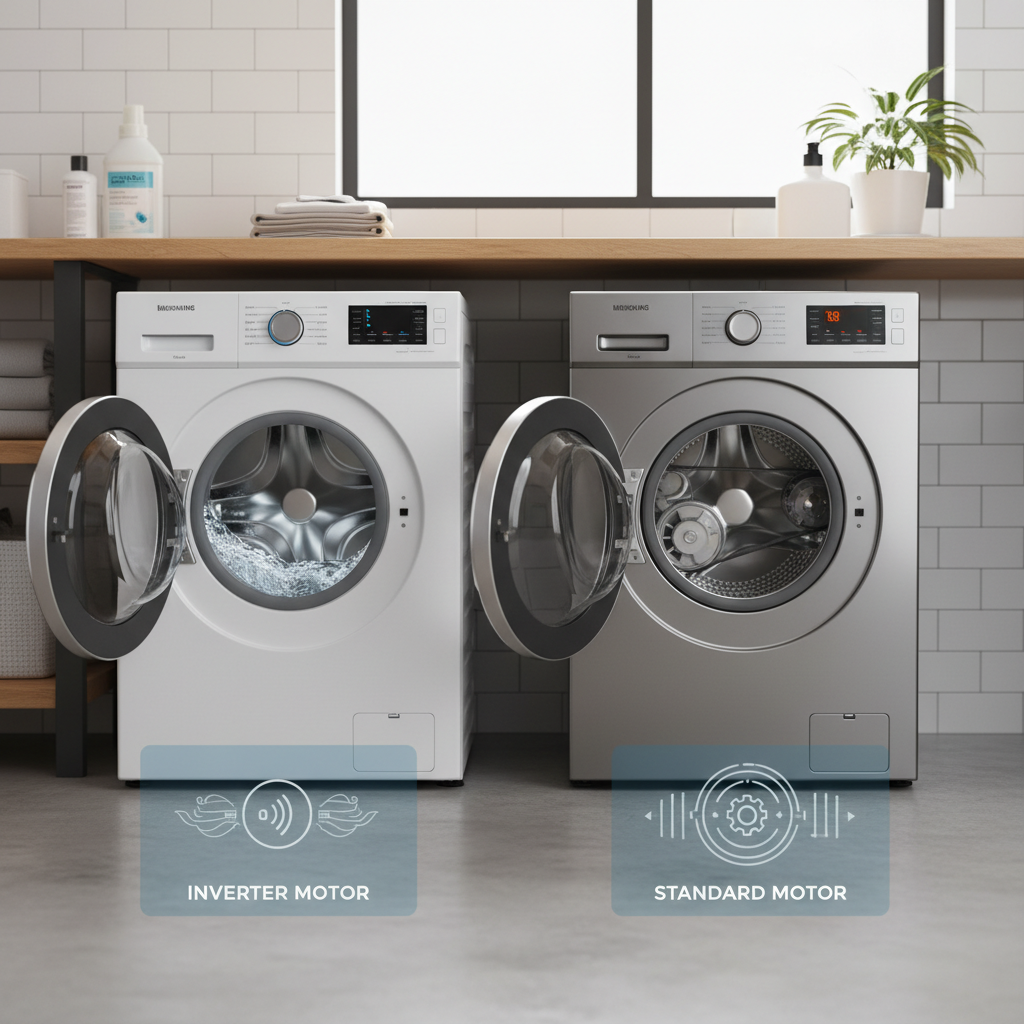
When we talk about washing machine motors, we’re essentially discussing the heart of the appliance. This component is responsible for spinning the drum, facilitating everything from the gentle wash cycle to the high-speed spin. The evolution of these motors has brought about considerable changes in how efficiently and quietly our laundry gets done, with direct implications for how long your machine will reliably serve you.
Understanding Washing Machine Motor Technology
To truly compare the lifespan and performance of washing machine motors, it’s essential to grasp how each type operates. The underlying mechanics dictate everything from energy consumption to noise output and, ultimately, how many years you can expect your appliance to last.
Inverter Motors
|
Our Picks for the Best Front load washing machine in 2026
As an Amazon Associate I earn from qualifying purchases.
|
||
| Num | Product | Action |
|---|---|---|
| 1 | LG WM3400CW 4.5 cu ft Front-Load Washer – High-Efficiency, LoDecibel™ Quiet Operation, 6Motion™ Technology, White |

|
| 2 | GE 5.0 cu.ft. Smart Front Load Washer in White with Steam, UltraFresh Vent System, and Microban Technology |
|
| 3 | GE PROFILE 28 Inch Smart Front Load Washer with 4.8 cu. ft. Capacity in White GFW550SSNWW |
|
| 4 | Samsung 4.5 cu. ft. High Efficiency Front Load Washer with Vibration Reduction Technology+, White, WF45T6000AW/A5 |
|
| 5 | West Bend Washer Compact Front Load Washing Machine with 15 Wash Cycles, LED Display, See-Through Door, Stackable and Space-Saving Design, for Apartments, RVs, and Small Spaces, 2.2 Cu.Ft., White |
|
| 6 | BLACK+DECKER 4.5 Cu. Ft. Front Load Washer, Full Size Washing Machine with 12 Cycles, ENERGY STAR certified Washer Machine, Hot & Cold Inlet Hoses, LED Display, 120V, BFLW45M, White |
|
| 7 | Maytag 4.5 cu ft. Front Load Washer with 12-hour Fresh Spin Option |
|
| 8 | Kenmore 4.5 cu. ft. Top Load Washer with Triple Action Impeller for Tough Dirt & Stains - Reduce Laundry Time with Accela Wash & Express Wash - LED - White |
|
| 9 | GE GFW655SPVDS 5.0 cu.ft. Smart Front Load Washer with Steam, UltraFresh Vent System, Black |
|
| 10 | Kenmore 4.5 cu. ft. Front Load Washer with Stain Removing Steam Treatment - Reduce Laundry Time with Accela Wash - LED - ENERGY STAR Certified - Metallic Silver |
|
Inverter motors represent a significant advancement in washing machine technology. Unlike conventional motors that operate at a fixed speed, inverter motors utilize a frequency converter (an inverter) to precisely control the motor’s speed and torque. This allows the motor to adjust its rotation speed based on the laundry load and selected program, leading to highly optimized performance. Many modern inverter motors are also “direct drive,” meaning they are directly attached to the drum without the need for belts or pulleys. This design drastically reduces friction and wear.
Standard Motors
Standard washing machine motors, often referred to as universal or commutator motors, typically rely on a brush system and a drive belt to transfer power to the drum. These motors operate at a more constant speed, regardless of the load size. While effective, this mechanism involves more moving parts, such as carbon brushes and belts, which are subject to friction and wear over time. Some older models might also use asynchronous motors, which are simpler but often less efficient and noisier.
Lifespan and Durability: Inverter vs. Standard Motors
When it comes to the longevity of your washing machine, the motor type is a critical factor. The design and operational principles of inverter and standard motors directly influence how many years they can withstand rigorous use.
Inverter motors generally boast a longer lifespan compared to standard motors. Their brushless design minimizes friction and mechanical stress, which are common culprits for wear and tear in traditional motors. This reduced internal strain means that inverter motors are less prone to breakdowns and can often last 10 to 15 years, or even longer, with proper care. Manufacturers often provide extended warranties, sometimes up to 10 years, specifically for the inverter motor, underscoring their confidence in its durability.
“The brushless design of inverter motors significantly reduces friction, leading to a much longer operational life and fewer maintenance issues compared to conventional motors.”
Conversely, standard motors, with their brushes and belts, have components that naturally degrade over time due to friction and continuous movement. The carbon brushes wear down and need eventual replacement, and belts can stretch, slip, or break. These factors contribute to a generally shorter average lifespan for machines with standard motors, typically ranging from 7 to 10 years. While parts are often readily available and repairs might be simpler, the need for more frequent maintenance or component replacement can impact the overall cost of ownership over the appliance’s lifetime.
Beyond Lifespan: Advantages and Disadvantages of Each Motor Type
While motor lifespan is a primary consideration, other performance aspects also distinguish inverter from standard motors, impacting your laundry experience.
Inverter Motors
Advantages:
- Energy Efficiency: By precisely adjusting power based on the load, inverter motors consume significantly less electricity, leading to noticeable savings on utility bills. They can save anywhere from 20% to 40% more electricity than conventional motors.
- Quiet Operation: The absence of brushes and belts, especially in direct-drive inverter models, eliminates much of the mechanical noise and vibration associated with standard motors. This makes for a considerably quieter laundry cycle, a major plus for homes with open living spaces or those who do laundry at night.
- Reduced Vibration: Less friction and direct power transfer result in greater stability and less vibration, which also contributes to the machine’s overall durability and reduces wear on other components.
- Precise Control & Better Wash Performance: The ability to finely control drum speed allows for customized wash cycles, handling delicate fabrics with more care and tackling tough stains more effectively.
- Gentle on Fabrics: Smoother drum movements translate to less harsh treatment of clothes, preserving fabric quality over time.
Disadvantages:
- Higher Initial Cost: The advanced technology and engineering behind inverter motors typically translate to a higher purchase price for the washing machine.
- Potentially Complex Repairs: While less frequent, when an inverter motor does malfunction outside its warranty period, repairs can be more complex and potentially more expensive due to specialized components and diagnostics.
Standard Motors
Advantages:
- Lower Initial Cost: Washing machines equipped with standard motors are generally more affordable upfront, making them a budget-friendly option for many consumers.
- Simpler Repairs: The design of standard motors is less complex, and parts like brushes and belts are often inexpensive and easy to replace, making repairs straightforward and accessible to a wider range of technicians.
Disadvantages:
- Noisier Operation: The friction from brushes and the movement of belts create more noise and vibration during operation, which can be disruptive, especially in smaller living spaces.
- Less Energy Efficient: Standard motors run at a more constant speed, consuming more energy even with smaller loads, which can lead to higher electricity bills over time.
- More Wear and Tear: The presence of moving parts like brushes and belts means these components are subject to wear, potentially requiring more frequent maintenance or replacement.
- Shorter Lifespan: As noted, the continuous friction contributes to a shorter overall lifespan for the motor and, consequently, the washing machine.
Price Considerations by Motor Type
The choice between an inverter and a standard motor washing machine often comes down to balancing upfront cost with long-term value.
Entry-Level (Under $400):
- Characteristics: This segment primarily features washing machines with standard, belt-driven motors. They offer basic washing functionalities without many advanced features.
- Pros: Highly affordable and accessible for those on a tight budget or with infrequent laundry needs. Parts are often inexpensive and easy to find for repairs.
- Cons: Generally noisier, less energy-efficient, and have a shorter expected lifespan. Wash performance might be less refined.
Mid-Range ($400-$800):
- Characteristics: Many machines in this price bracket begin to incorporate inverter technology, though some might still use standard motors with enhanced features. They offer a balance of features, durability, and cost.
- Pros: Good value for money, often including more wash programs, better energy ratings, and improved noise reduction with inverter options. Suitable for small to medium-sized families.
- Cons: Inverter models might still be simpler versions, and not all brands offer full direct-drive in this range. The initial cost is higher than basic models.
Premium (Over $800):
- Characteristics: This segment almost exclusively features washing machines with advanced inverter motors, often direct-drive. They come packed with smart features, superior build quality, and cutting-edge washing technologies.
- Pros: Exceptional durability and lifespan, top-tier energy efficiency, whisper-quiet operation, advanced fabric care, and smart connectivity. Ideal for large families or those seeking the best performance.
- Cons: The highest initial investment, and repairs, though rare, can be costly due to specialized components.
Top Washing Machine Brands and Their Motor Technologies
Leading appliance manufacturers have largely embraced inverter motor technology to meet consumer demands for efficiency, quietness, and durability.
LG
- Key Feature: LG is renowned for its Direct Drive Inverter Motor technology. This design directly attaches the motor to the drum, eliminating the need for belts and pulleys.
- Highlights: Exceptional durability with 10-year motor warranties, extremely quiet operation, reduced vibration, and efficient performance. LG’s AI DD™ technology further optimizes wash cycles based on fabric type and load.
- Typical Models: LG WM4000HWA (front-load with AI-powered direct drive inverter motor), LG FH4G1BCS2, LG WM6500HBA.
Samsung
- Key Feature: Samsung widely uses its Digital Inverter Motor in its washing machines. While not always direct drive, these motors also offer brushless operation.
- Highlights: Focus on energy efficiency, quiet washing, and enhanced durability. Samsung often combines this with technologies like EcoBubble™ for powerful cleaning and Hygiene Steam.
- Typical Models: Samsung WW80J5555MW, Samsung WW90DG6U24ASTL (with AI Control, AI Ecobubble, Digital Inverter).
Bosch
- Key Feature: Bosch washing machines feature the EcoSilence Drive™ Inverter Motor.
- Highlights: Known for ultra-quiet operation, high energy efficiency, and reliable long-lasting performance. Bosch emphasizes robust build quality and advanced wash programs.
- Typical Models: Bosch WAT28463GB, Bosch 800 Series (with EcoSilence Drive™ motor).
Other Notable Brands
Many other brands, including Whirlpool, Maytag, Haier, Panasonic, and IFB, also offer models with inverter motor technology, often highlighting energy savings, quieter operation, and extended reliability. Maytag, for instance, offers a 10-year limited parts warranty on its direct drive motors in some models. TCL also features digital inverter motors in its washing machines.
Choosing the Right Washing Machine Motor: A Comprehensive Buying Guide
Selecting the ideal washing machine motor involves more than just looking at the price tag. Consider these factors to ensure your appliance meets your expectations for performance and longevity.
1. Determine Your Usage Needs and Priorities
- Household Size: Larger families with frequent, heavy loads will benefit more from the durability and efficiency of an inverter motor.
- Laundry Frequency: If you do laundry multiple times a week, an inverter motor’s longevity and energy savings will be more impactful.
- Noise Sensitivity: For apartments, open-plan homes, or if you do laundry during quiet hours, an inverter motor’s low noise level is a significant advantage.
- Fabric Care: Inverter motors’ precise speed control can offer gentler care for delicate garments.
2. Set Your Budget
- Upfront Cost vs. Long-Term Savings: Inverter machines have a higher initial cost but offer substantial savings on energy bills and potentially fewer repair expenses over their extended lifespan. Standard motor machines are cheaper upfront but may incur higher running and maintenance costs.
- Factor in Warranties: Many inverter motors come with extended warranties (5-10 years), which can offset potential repair costs and offer peace of mind.
3. Evaluate Energy Efficiency
- Check the energy star ratings. Inverter motor washing machines almost always boast higher energy efficiency ratings due to their ability to adapt power consumption to the exact load requirements. This is a critical factor for reducing your environmental footprint and household expenses.
4. Consider Maintenance and Repair
- While inverter motors generally require less frequent maintenance, understanding the availability and cost of specialized parts and technicians in your area for potential repairs is wise. Standard motors may need more routine attention (e.g., belt checks) but repairs are often simpler.
5. Read User Reviews and Expert Opinions
- Always consult reviews from other users and independent expert analyses. These can provide real-world insights into the durability, noise levels, and overall satisfaction with specific models and their motor types. Look for feedback on how well the machine performs over several years of use.
Conclusion
The evolution of washing machine motor technology offers distinct advantages, with inverter motors emerging as the superior choice for those prioritizing long-term durability, energy efficiency, and quiet operation. While they represent a higher initial investment, their extended lifespan and reduced running costs often yield greater value over time. Standard motors, conversely, provide a more budget-friendly entry point with straightforward repairability, albeit with compromises in noise, efficiency, and longevity.
Ultimately, the best motor for your washing machine depends on your individual needs, budget, and priorities. Do you value the whisper-quiet performance and enduring reliability of an inverter motor, or does the lower upfront cost of a standard motor better suit your immediate financial planning? Carefully weighing these factors will lead you to a washing machine that not only cleans your clothes effectively but also stands the test of time.