Choosing a new washing machine can feel like a daunting task, especially when you’re weighing the merits of front-load versus top-load models. Both promise to deliver clean clothes, but they achieve this through distinct methods that significantly impact performance, efficiency, and convenience. As an experienced appliance technician, I’ve seen countless machines in action, and I’m here to demystify the cleaning prowess of each type, helping you make an informed decision that perfectly suits your household’s needs.
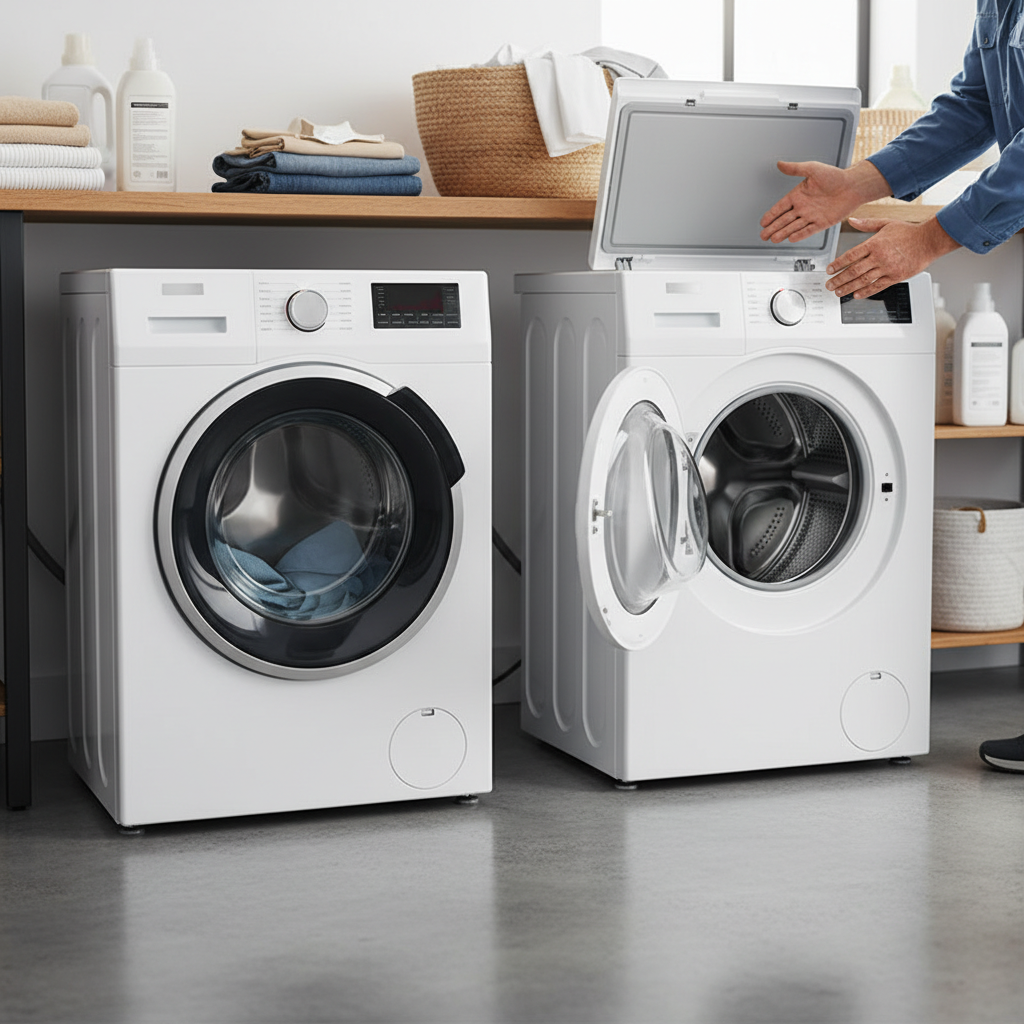
Advantages and Disadvantages of Front Load Washing Machines
Front-load washing machines have gained immense popularity for their advanced cleaning capabilities and sleek designs. However, they come with their own set of considerations.
Advantages:
- Superior Cleaning Performance: Front-loaders are widely regarded for providing a more thorough clean. Their unique tumbling action, where clothes are lifted and dropped through a small pool of water, effectively scrubs away dirt and stains. Studies even suggest they can remove stains up to 50% better than standard top-loaders, especially for heavy-duty cleaning cycles. This is because the tumbling motion allows for longer contact between water, detergent, and fabric, enhancing stain removal.
- Gentler on Fabrics: The absence of a central agitator means less friction and pulling on garments. The gentle tumbling action minimizes wear and tear, making front-loaders ideal for delicate items and extending the lifespan of your clothes.
- Water and Energy Efficiency: Front-load washers are champions of efficiency. They typically use significantly less water – roughly 40% less than traditional top-load models – by relying on gravity and rotation rather than filling a tub entirely. This translates to lower utility bills and a smaller environmental footprint. Their efficient design also means they often use less electricity.
- Higher Spin Speeds: Front-loaders boast higher spin speeds during the final rinse cycle, extracting more moisture from clothes. This leads to reduced drying times, saving you both energy and precious time.
- Larger Capacity: Without a central agitator, front-load drums often offer more usable space, allowing you to wash bulkier items like comforters and larger loads of laundry.
- Stackable Design: Many front-load models are designed to be stackable with their matching dryer, offering a great space-saving solution for compact laundry areas.
|
Our Picks for the Best Front load washing machine in 2026
As an Amazon Associate I earn from qualifying purchases.
|
||
| Num | Product | Action |
|---|---|---|
| 1 | Maytag 4.5 cu ft. Front Load Washer with 12-hour Fresh Spin Option |

|
| 2 | GE 5.0 cu.ft. Smart Front Load Washer in White with Steam, UltraFresh Vent System, and Microban Technology |
|
| 3 | Kenmore 4.5 cu. ft. Front Load Washer with Stain Removing Steam Treatment - Reduce Laundry Time with Accela Wash - LED - ENERGY STAR Certified - Metallic Silver |
|
| 4 | Kenmore 4.5 cu. ft. Top Load Washer with Triple Action Impeller for Tough Dirt & Stains - Reduce Laundry Time with Accela Wash & Express Wash - LED - White |
|
| 5 | Samsung 4.5 cu. ft. High Efficiency Front Load Washer with Vibration Reduction Technology+, White, WF45T6000AW/A5 |
|
| 6 | LG WM3400CW 4.5 cu ft Front-Load Washer – High-Efficiency, LoDecibel™ Quiet Operation, 6Motion™ Technology, White |
|
| 7 | GE PROFILE 28 Inch Smart Front Load Washer with 4.8 cu. ft. Capacity in White GFW550SSNWW |
|
| 8 | BLACK+DECKER 4.5 Cu. Ft. Front Load Washer, Full Size Washing Machine with 12 Cycles, ENERGY STAR certified Washer Machine, Hot & Cold Inlet Hoses, LED Display, 120V, BFLW45M, White |
|
| 9 | GE GFW655SPVDS 5.0 cu.ft. Smart Front Load Washer with Steam, UltraFresh Vent System, Black |
|
| 10 | West Bend Washer Compact Front Load Washing Machine with 15 Wash Cycles, LED Display, See-Through Door, Stackable and Space-Saving Design, for Apartments, RVs, and Small Spaces, 2.2 Cu.Ft., White |
|
Disadvantages:
- Higher Upfront Cost: Generally, front-load washing machines come with a higher initial purchase price compared to their top-load counterparts.
- Potential for Mold and Odor: The tightly sealed door gasket and detergent dispenser in front-loaders can trap moisture, creating an ideal environment for mold and mildew growth. This can lead to unpleasant, musty odors if the machine is not properly maintained and left open to air out after cycles. Using regular detergent instead of high-efficiency (HE) detergent can also exacerbate this issue due to excessive suds.
- Longer Wash Cycles: While more efficient in water and energy, front-load cycles can sometimes take longer to complete than traditional top-load cycles.
- Ergonomics and Loading: Loading and unloading a front-loader requires bending down, which can be a drawback for individuals with mobility issues, unless the machine is placed on a pedestal.
- Specialized Detergent: Front-load washers require high-efficiency (HE) detergent, which is formulated to produce fewer suds. Using conventional detergent can lead to oversudsing, residue on clothes, and potential machine damage.
- Heavier and More Complex: Front-loaders tend to be heavier and have more parts, which can make them more expensive to repair if issues arise.
Advantages and Disadvantages of Top Load Washing Machines
Top-load washers remain a popular choice, particularly for their straightforward operation and traditional appeal.
Advantages:
- Easier Loading: One of the most significant advantages is the top-loading design, which eliminates the need to bend down. This makes them more comfortable for many users, especially those with back issues or mobility challenges.
- Lower Upfront Cost: Top-load machines often have a lower initial purchase price, making them a more budget-friendly option for some households.
- Mid-Cycle Accessibility: You can typically add forgotten items to a top-load washer mid-cycle, a convenience not usually offered by front-loaders once the wash cycle has begun.
- Less Prone to Mold/Odor: With an open lid and generally better air circulation, traditional top-loaders are less susceptible to mold and mildew buildup compared to front-loaders.
Disadvantages:
- Lesser Cleaning Performance: While newer impeller-style top-loaders have improved, traditional agitator models can be less effective at deep cleaning and stain removal compared to front-loaders. They rely on churning clothes in a full tub of water, which can sometimes result in uneven cleaning.
- Harsher on Fabrics: Agitator models, in particular, can be harsh on clothes due as they rub garments against a central post. This can lead to more wear and tear and potential damage to delicate fabrics over time.
- Higher Water and Energy Usage: Traditional top-loaders typically use more water to submerge the clothes, which can lead to higher utility bills. While high-efficiency (HE) top-loaders with impellers are more efficient, they still generally don’t match the water savings of front-loaders.
- Smaller Usable Capacity (Agitator Models): The central agitator takes up valuable space in the drum, reducing the usable capacity and making it challenging to wash bulky items.
- Cannot Be Stacked: Top-load machines cannot be stacked with a dryer, requiring more floor space in your laundry area.
Cleaning Performance: The Head-to-Head Battle
When the primary concern is how clean your clothes will get, front-load washing machines generally emerge as the winner. This superiority stems from fundamental differences in their washing mechanisms.
Front-load washers utilize a tumbling action, mimicking a gentle hand-wash motion. Clothes are lifted by the drum’s rotation and then dropped back into a shallow pool of water and detergent. This mechanical action, combined with the concentrated detergent solution, provides a highly effective scrubbing and rinsing process that excels at stain removal. As Dr. Alan Kim from the University of Illinois points out, “front loaders generate more mechanical energy per cycle due to their tumbling action,” which directly contributes to their superior cleaning. Independent tests consistently show front-loading machines outperforming top-loaders in tackling tough stains like grass or motor oil.
Conversely, top-load washers employ different methods:
- Agitator models use a central post that twists back and forth, rubbing against clothes to dislodge dirt. While this can be aggressive and quick, it often results in more wear and tear on fabrics and can be less effective for heavily soiled items that get tangled around the agitator.
- Impeller models (also known as high-efficiency top-loaders) feature a low-profile cone or disc at the bottom of the drum that rotates to create powerful currents, moving clothes through the water. These are gentler than agitators but may still struggle with very dirty or bulky loads compared to the consistent tumbling action of a front-loader.
Ultimately, the front-load washer’s design ensures that clothes are thoroughly saturated and agitated evenly, leading to consistently better cleaning results and stain removal across various fabric types.
Beyond Clean: Efficiency, Cost, and Convenience
While cleaning performance is crucial, a washing machine’s overall value extends to its efficiency, cost, and user convenience.
Water & Energy Savings: Front-load washers are typically the more eco-friendly and cost-effective choice in the long run. They use significantly less water, often around 40% less than traditional top-loaders, and less energy to heat that water. This can lead to considerable savings on your utility bills over the appliance’s lifespan. Although top-load HE models have improved, front-loaders still generally lead in this category.
Initial Purchase Price vs. Long-Term Operating Costs: The initial investment for a front-load washer is usually higher. However, when you factor in the lower operating costs due to reduced water and energy consumption, a front-loader can prove to be a more economical choice over its lifetime. Top-loaders often have a lower entry price point, but their higher utility usage can make them more expensive in the long run.
Ergonomics and Capacity: Top-load washers offer easier loading and unloading from a standing position, which is a major benefit for those who find bending difficult. Front-load washers, while requiring a bend, often offer larger usable capacity since there’s no agitator. They also provide the option of stacking with a dryer, a significant space-saver for smaller homes or apartments.
Maintenance and Odor Prevention: Front-loaders require a bit more diligence in maintenance to prevent mold and musty odors. Wiping down the door gasket and leaving the door ajar after each wash, along with using HE detergent, are crucial steps. Top-loaders generally have better airflow and fewer moisture-trapping areas, making them less prone to these issues.
“For consistent, deep cleaning and fabric preservation, front-load washers are an undeniable leader in the laundry room. Their innovative design optimizes water and detergent use for superior results.”
Buying Guide: Choosing the Right Washer for You
Selecting the perfect washing machine involves balancing your priorities for cleaning, efficiency, budget, and lifestyle.
1. Determine Your Usage Needs:
- Family Size: Larger families will benefit from larger capacity machines, often found in front-loaders without an agitator, or high-capacity top-loaders.
- Frequency of Laundry: If you do laundry frequently, the efficiency and superior cleaning of a front-loader might be more appealing despite the longer cycle times.
- Types of Clothes: If you often wash delicate items or heavily soiled work clothes, a front-loader’s gentle yet effective tumbling action is a significant advantage.
2. Set Your Budget:
- Consider both the initial purchase price and long-term operating costs. A cheaper top-loader might save you money upfront but could cost more in water and energy over the years. Factor in potential repair costs, which can sometimes be higher for the more complex front-load machines.
3. Consider Key Features:
- High-Efficiency (HE) Compliance: Regardless of type, opt for HE models to save water and energy. Always use HE detergent with these machines.
- Wash Cycles and Options: Look for specific cycles like “delicate,” “heavy duty,” “steam,” or “sanitize” that match your laundry habits.
- Spin Speed (RPM): Higher spin speeds mean more water extracted, leading to faster drying times. Front-loaders typically excel here.
- Smart Features: Some modern washers offer smart capabilities, allowing you to control them from your phone, diagnose issues, and download new cycles.
- Noise Level: If your laundry area is near living spaces, a quieter model (often front-loaders, but check reviews) might be preferred.
4. Read User Reviews:
- Always consult reviews from other users and experts. This provides real-world insights into a machine’s reliability, cleaning effectiveness, noise level, and common issues. Pay attention to comments regarding mold/odor for front-loaders and fabric damage for agitator top-loaders.
Conclusion
When it comes down to the core question of which cleans better, front-load washing machines generally take the lead. Their advanced tumbling action, combined with efficient water and detergent usage, consistently delivers superior stain removal and gentler fabric care. While they may come with a higher initial cost and require diligent maintenance to prevent odors, their long-term savings in utilities and exceptional cleaning performance often make them a worthwhile investment for many households.
However, top-load washers, especially the high-efficiency impeller models, offer a compelling alternative for their ease of loading and often lower upfront price. The best choice ultimately hinges on your specific needs, budget, and priorities for laundry care. Are you prioritizing ultimate cleaning power and efficiency, or is convenience and a lower initial price more critical for your family?
Frequently Asked Questions
Do front-load washers really clean better than top-load washers?
Yes, in most cases, front-load washers are considered to clean better. Their tumbling action provides more effective scrubbing and stain removal compared to the agitation or impeller action of top-load machines, especially with heavily soiled items.
Why do front-load washers have a reputation for getting moldy?
Front-load washers can develop mold and musty odors because their tightly sealed doors and detergent dispensers can trap moisture. Without proper ventilation (like leaving the door ajar after use) and regular cleaning, this creates an environment conducive to mold growth.
Are front-load washers more energy and water efficient?
Absolutely. Front-load washers typically use significantly less water and energy than top-load models. They operate with less water because clothes are tumbled through a shallow pool, leading to substantial savings on utility bills over time.
Can I use regular detergent in a front-load washing machine?
No, you should only use high-efficiency (HE) detergent in front-load washing machines. Regular detergents produce too many suds, which can lead to excessive foaming, residue on clothes, and potential damage to the machine’s components.
Are top-load washers with impellers better than those with agitators for cleaning?
Top-load washers with impellers are generally gentler on clothes and more water-efficient than those with traditional agitators. While they offer improved cleaning over agitators, front-load washers often still provide superior overall cleaning performance.
How can I prevent mold and odors in my front-load washer?
To prevent mold and odors, always use HE detergent, wipe down the door gasket after each wash, and leave the washer door ajar to allow the drum to dry completely. Running a cleaning cycle with bleach or a washer cleaner regularly also helps.
Which type of washing machine is better for large families or bulky items?
Front-load washers often have a larger usable capacity due to the absence of a central agitator, making them excellent for large families or washing bulky items like comforters and blankets.