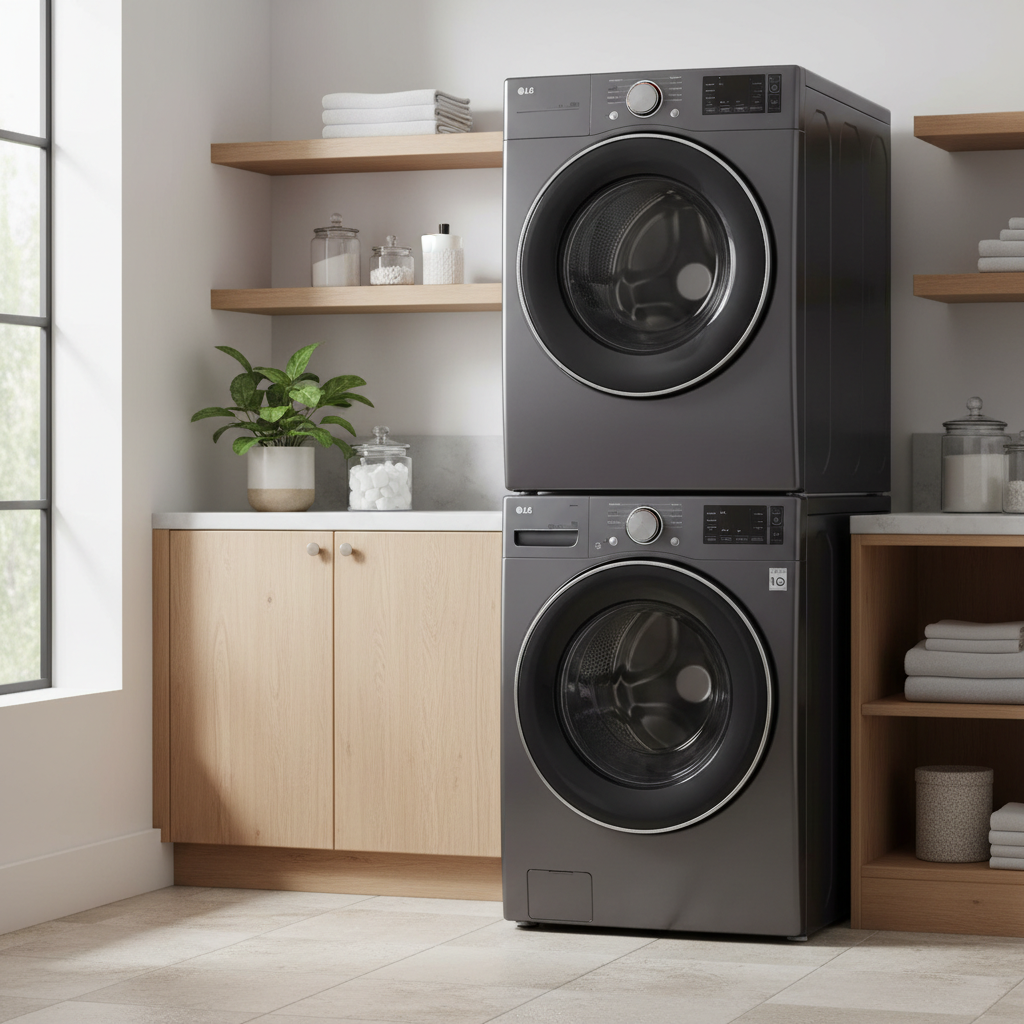
Imagine a world where your clothes emerge pristine, not from a torrent of water and suds, but from innovative, water-saving processes. This isn’t a distant fantasy; it’s the rapidly approaching future of laundry, driven by groundbreaking waterless washing technologies. As environmental concerns escalate and resource scarcity becomes a global challenge, the traditional water-guzzling washing machine is poised for a revolutionary makeover. This shift promises not only significant ecological benefits but also a reimagining of how we care for our garments, making laundry more efficient, gentle, and sustainable for every home.
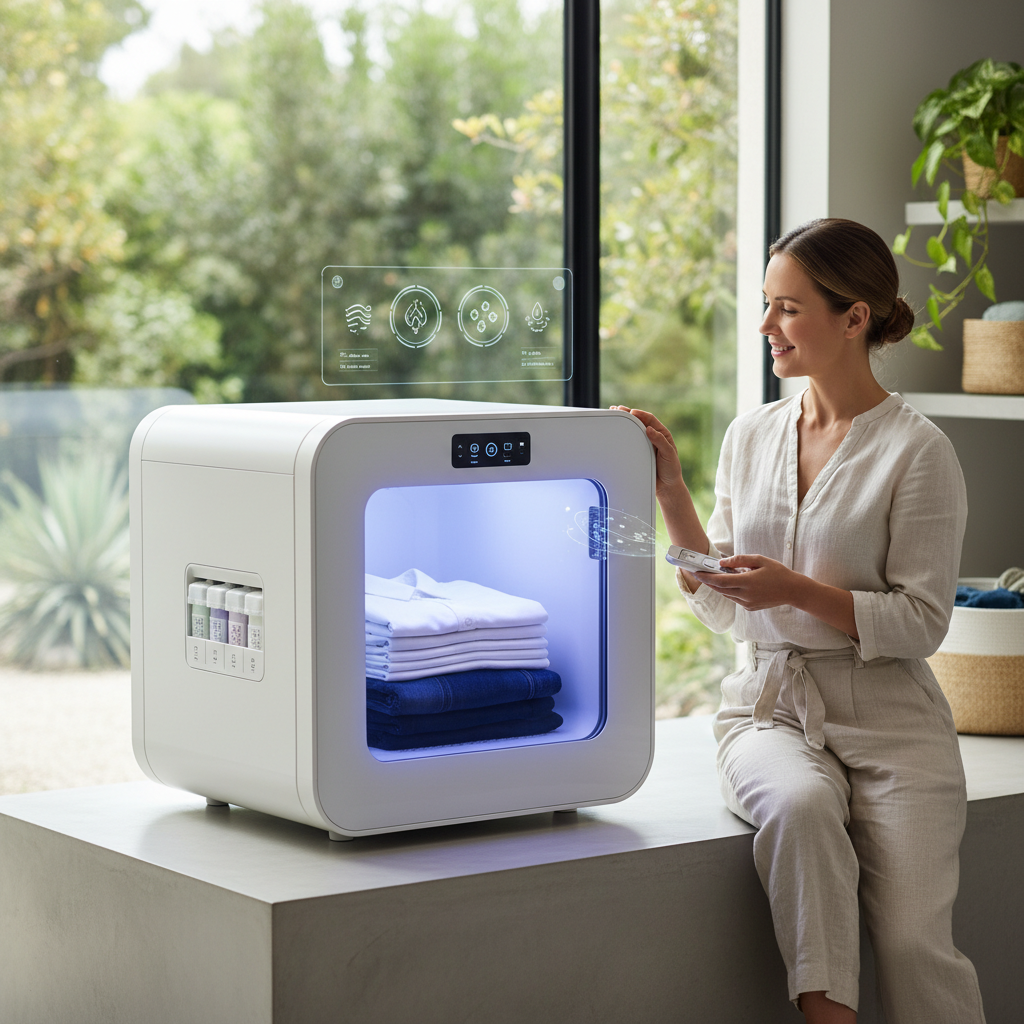
Advantages and Disadvantages of Waterless Washing Machines
Waterless washing machines represent a significant leap forward in laundry technology, offering a compelling array of benefits alongside some emerging challenges. Understanding both sides is crucial for appreciating their transformative potential.
Advantages:
- Superior Water Conservation: The most prominent advantage is the dramatic reduction in water usage. Traditional machines can consume 50-70 liters per load, whereas waterless systems can cut this by up to 90% or more, often using only a cup of water or none at all. This is vital in combating global water scarcity.
- Enhanced Energy Efficiency: By minimizing or eliminating water heating and spin cycles for drying, these machines significantly reduce energy consumption. Some technologies can save 30-50% on electricity compared to conventional washers, contributing to lower utility bills and a smaller carbon footprint.
- Reduced Chemical Footprint: Many waterless technologies either use minimal detergents or eliminate them entirely, preventing the release of harmful phosphates and other non-biodegradable chemicals into waterways. This minimizes water pollution and promotes a healthier ecosystem.
- Gentler Fabric Care: Methods like polymer beads or liquid CO2 are often gentler on fabrics, reducing wear and tear. This helps extend the lifespan of clothing, a benefit for both consumers and the environment by reducing textile waste.
- Quieter Operation: With less water sloshing and powerful spin cycles, some waterless systems can operate more quietly than their traditional counterparts, enhancing home comfort.
- Faster Processing and Drying: Technologies like liquid CO2 cleaning can result in instantly dry clothes, eliminating the need for energy-intensive dryers and speeding up the laundry process.
|
Our Picks for the Best Front load washing machine in 2026
As an Amazon Associate I earn from qualifying purchases.
|
||
| Num | Product | Action |
|---|---|---|
| 1 | LG WM3400CW 4.5 cu ft Front-Load Washer – High-Efficiency, LoDecibel™ Quiet Operation, 6Motion™ Technology, White |

|
| 2 | Kenmore 4.5 cu. ft. Front Load Washer with Stain Removing Steam Treatment - Reduce Laundry Time with Accela Wash - LED - ENERGY STAR Certified - Metallic Silver |
|
| 3 | West Bend Washer Compact Front Load Washing Machine with 15 Wash Cycles, LED Display, See-Through Door, Stackable and Space-Saving Design, for Apartments, RVs, and Small Spaces, 2.2 Cu.Ft., White |
|
| 4 | Samsung 4.5 cu. ft. High Efficiency Front Load Washer with Vibration Reduction Technology+, White, WF45T6000AW/A5 |
|
| 5 | GE GFW655SPVDS 5.0 cu.ft. Smart Front Load Washer with Steam, UltraFresh Vent System, Black |
|
| 6 | GE PROFILE 28 Inch Smart Front Load Washer with 4.8 cu. ft. Capacity in White GFW550SSNWW |
|
| 7 | Maytag 4.5 cu ft. Front Load Washer with 12-hour Fresh Spin Option |
|
| 8 | Kenmore 4.5 cu. ft. Top Load Washer with Triple Action Impeller for Tough Dirt & Stains - Reduce Laundry Time with Accela Wash & Express Wash - LED - White |
|
| 9 | BLACK+DECKER 4.5 Cu. Ft. Front Load Washer, Full Size Washing Machine with 12 Cycles, ENERGY STAR certified Washer Machine, Hot & Cold Inlet Hoses, LED Display, 120V, BFLW45M, White |
|
| 10 | GE 5.0 cu.ft. Smart Front Load Washer in White with Steam, UltraFresh Vent System, and Microban Technology |
|
Disadvantages:
- Higher Initial Cost: As cutting-edge innovations, waterless washing machines currently tend to have a higher upfront purchase price than conventional models. This cost may decrease as the technology becomes more widespread and production scales up.
- Longer Wash Cycles (for some technologies): While some methods offer faster drying, the actual cleaning cycle for certain waterless technologies might be longer than a quick wash cycle on a traditional machine.
- Requirement for Specialized Consumables: Technologies such as polymer bead systems require specialized beads that need periodic replacement or recycling. Liquid CO2 systems require CO2, though it’s typically recycled within a closed loop.
- Limited Residential Availability: Many advanced waterless technologies are currently more prevalent in commercial settings (e.g., hotels, hospitals, laundromats) due to their scale and specialized needs. Widespread residential adoption is still developing.
- Perceived Cleaning Efficacy: Consumers may initially be skeptical about the cleaning power of a system that uses little or no water, requiring education and demonstrable results to build trust.
Price Segments for Waterless Washing Technology
The waterless washing machine market is an evolving landscape, and its pricing structure primarily reflects its current stage of development, where commercial applications often precede widespread residential availability.
Emerging Commercial Segment (High Investment):
- Characteristics: These are large-scale, industrial-grade systems primarily used in hotels, hospitals, commercial laundromats, and other businesses with high laundry volumes. They feature robust construction, high capacity, and advanced automation.
- Advantages: Designed for maximum efficiency, sustainability, and durability in demanding environments. They offer significant long-term savings in water, energy, and detergent costs for businesses.
- Disadvantages: Very high initial investment, typically in the tens of thousands of dollars or more, making them unsuitable for individual households.
Pilot & Early Adopter Residential Segment (Premium Price Point):
- Characteristics: While not yet widely available, future residential waterless washing machines are expected to debut in a premium segment. These would likely integrate smart home features, sleek designs, and the latest waterless cleaning technologies.
- Advantages: Offer early access to cutting-edge sustainability, superior fabric care, and reduced utility bills.
- Disadvantages: High price point compared to conventional residential washing machines, limiting accessibility for the average consumer. Limited selection of models and brands during the initial rollout phase.
Future Mainstream Residential Segment (Competitive Pricing):
- Characteristics: As technology matures and manufacturing scales, waterless washing machines are expected to become more affordable and enter the mainstream residential market. This segment will see more competitive pricing, a wider range of models, and increasing feature sets.
- Advantages: Accessible sustainability, significant long-term savings, and integration into everyday home life.
- Disadvantages: Still speculative; widespread adoption is dependent on continued technological advancements, cost reductions, and consumer acceptance.
Top Technologies Shaping Waterless Laundry
The future of laundry is being defined by several innovative waterless and near-waterless technologies, each employing unique methods to clean clothes efficiently and sustainably.
Polymer Bead Technology (e.g., Xeros):
- Key Highlights: This system uses millions of tiny, reusable polymer beads (often nylon) to gently tumble with clothes. A small amount of water and detergent activates the beads, which then absorb dirt and stains.
- Typical Models/Implementations: Pioneers like Xeros have predominantly deployed this technology in commercial laundries across hotels and hospitals, demonstrating significant water and energy savings. Researchers at the University of Leeds first developed this concept in 2008.
- Benefits: Reduces water use by up to 90% and energy by up to 50%. It’s gentle on fabrics, extending garment life. The beads can be reused for hundreds of washes before being recycled.
Liquid CO2 Cleaning (e.g., Tersus):
- Key Highlights: This advanced technology replaces water with compressed liquid carbon dioxide in a closed-loop system. The liquid CO2 acts as a powerful solvent, dissolving and lifting away dirt, oils, and stains without the need for water or harsh chemicals.
- Typical Models/Implementations: Companies like Tersus have successfully implemented liquid CO2 systems in commercial dry cleaning and large-scale laundries, particularly benefiting sectors requiring high hygiene standards and minimal fabric damage.
- Benefits: Completely eliminates water usage, is exceptionally gentle on delicate fabrics, prevents color fading, and results in clothes that are completely dry at the end of the cycle, removing the need for conventional dryers. The CO2 is also recycled.
Ultrasonic Cleaning Systems:
- Key Highlights: Utilizes high-frequency sound waves (ultrasonic vibrations) to create microscopic bubbles in a small amount of water or specialized cleaning solution. These bubbles implode, generating powerful jets that dislodge dirt and grime from fabric fibers.
- Typical Models/Implementations: While still largely in development or niche applications for laundry, ultrasonic technology is recognized for its high cleaning efficiency and fabric-friendly operation. Its scalability and lower maintenance costs compared to other waterless methods make it a promising contender for future residential integration.
- Benefits: Highly effective at removing dirt and stains, often without the need for harsh detergents. It’s gentle on clothes and offers a compact, efficient cleaning process.
Supersaturated Steam Technology (e.g., 80Wash):
- Key Highlights: This method employs dry, supersaturated steam combined with radio-frequency microwaves to clean and sanitize garments using only milliliters of water and no detergent. The microwaves generate radio-frequency waves that kill bacteria and viruses.
- Typical Models/Implementations: Innovators like India’s 80Wash have developed machines based on this patented ISP steam technology, targeting commercial uses such as hotels, hospitals, and hostels, with residential units potentially coming soon.
- Benefits: Extremely low water consumption, no detergent needed, effective sanitation, and rapid cleaning cycles (e.g., 80 seconds per garment).
Comparison of Waterless Laundry Technologies
| Feature | Polymer Bead Technology (e.g., Xeros) | Liquid CO2 Cleaning (e.g., Tersus) | Ultrasonic Cleaning Systems | Supersaturated Steam (e.g., 80Wash) |
|---|---|---|---|---|
| Primary Medium | Reusable polymer beads + minimal water | Liquid Carbon Dioxide (CO2) | Ultrasonic vibrations + minimal liquid | Dry steam + radio-frequency microwaves |
| Water Usage | ~1 cup per load (up to 90% reduction) | 0% (closed-loop CO2 recycling) | Minimal | Milliliters (near 0%) |
| Detergent Use | Reduced | None | Minimal/None | None |
| Energy Impact | Significant reduction (no hot water) | Reduction (no water heating/drying) | Moderate (powering transducers) | Reduction (no water heating/drying) |
| Fabric Care | Gentle, extends garment life | Extremely gentle, preserves colors | Gentle | Gentle, effective sanitation |
| Drying | Requires standard drying | Instant drying | Requires standard drying | Rapid drying (low moisture steam) |
| Target Market | Commercial (hotels, hospitals, laundries) | Commercial (dry cleaning, industrial) | Niche/Commercial, future residential | Commercial (hotels, hospitals), future residential |
| Key Advantage | High water/energy savings, bead reuse | Completely waterless, fabric-friendly | High efficiency, compact | Rapid cleaning, sanitation, zero detergent |
| Key Challenge | Bead management, initial cost | High initial setup cost, specialized | Widespread adoption for laundry | Early stage for residential |
Guide to Embracing Waterless Laundry in the Future
As waterless washing technology continues its journey from commercial innovation to residential adoption, here’s how consumers can prepare to make an informed choice when these revolutionary machines become more accessible.
1. Understand Your Laundry Needs:
- Household Size and Volume: Consider how much laundry your household generates. While waterless machines are designed for efficiency, understanding your typical load sizes will help you evaluate appropriate capacities.
- Fabric Types: Different waterless technologies may excel with certain fabric types. For instance, liquid CO2 is exceptionally gentle on delicates, while polymer beads are versatile. Consider the common materials in your wardrobe.
- Frequency of Washing: If you wash frequently, the long-term water and energy savings of a waterless system will be even more pronounced, justifying a potentially higher initial investment.
2. Set Your Budget Expectations:
- Anticipate Premium Pricing: Initially, waterless washing machines are likely to be positioned at a premium price point due to their advanced technology. Factor this into your budget planning.
- Calculate Long-Term Savings: While the upfront cost may be higher, remember to account for significant savings on water, electricity, and potentially detergent over the machine’s lifespan. These operational savings can offset the initial investment.
3. Research Emerging Technologies and Brands:
- Stay Informed: Keep an eye on the latest developments from pioneers like Xeros, Tersus, 80Wash, and major appliance manufacturers (LG, Samsung) who are investing in waterless solutions.
- Evaluate Technology Types: Familiarize yourself with polymer bead, liquid CO2, ultrasonic, and steam-based systems to determine which method aligns best with your values and perceived cleaning needs.
- Look for Industry Partnerships: Commercial applications often lead the way. Companies partnering with hotels or large laundries are likely to be at the forefront of bringing residential versions to market.
4. Prioritize Key Features and Benefits:
- Water and Energy Efficiency Ratings: When residential models emerge, look for clear metrics on water and energy savings. This is a primary driver for choosing waterless tech.
- Cleaning Performance: Seek independent reviews and demonstrations that highlight the machine’s ability to tackle common stains and odors.
- Fabric Compatibility: Ensure the technology is suitable for the range of fabrics you typically wash.
- Ease of Use and Maintenance: Consider factors like how consumables (e.g., polymer beads) are managed, how often components need cleaning, and the overall user interface.
- Environmental Impact Beyond Water: Investigate the full lifecycle of the product, including manufacturing and the recyclability of components or consumables.
5. Seek User Reviews and Expert Opinions:
- Early Adopter Feedback: As residential models become available, pay close attention to feedback from early adopters. Their real-world experiences will be invaluable.
- Expert Analysis: Consult reviews and articles from appliance experts and sustainability advocates to gain a balanced perspective on performance, reliability, and true environmental benefits.
“The true revolution in laundry isn’t just about getting clothes clean; it’s about redefining cleanliness in a way that respects our planet’s finite resources. Waterless technologies are leading this vital paradigm shift.” – Dr. Anya Sharma, Environmental Technology Analyst.
Conclusion
The future of laundry is undoubtedly waterless, heralding a new era of efficiency and environmental responsibility. From the innovative polymer bead systems to the completely water-free liquid CO2 cleaning and the rapid sanitation of supersaturated steam, these technologies offer compelling solutions to the pressing challenges of water scarcity and energy consumption. While still primarily making inroads in commercial sectors, the residential market is poised for a significant transformation. Embracing waterless washing machines means investing in a more sustainable lifestyle, enjoying gentler fabric care, and contributing to a healthier planet. Are you ready to welcome this quiet revolution into your home?
Frequently Asked Questions
How do waterless washing machines clean clothes without traditional water?
Waterless washing machines employ various advanced technologies, such as using reusable polymer beads that absorb dirt with minimal moisture, supercritical liquid carbon dioxide that dissolves stains, or supersaturated steam and radio-frequency microwaves for cleaning and sanitization. These methods either significantly reduce water usage to mere milliliters or eliminate it entirely, offering effective cleaning while conserving resources.
Are waterless washing machines truly effective at removing tough stains and odors?
Yes, waterless washing machines are designed to be highly effective. Technologies like liquid CO2 are known for their ability to dissolve tough oils and stains, while polymer bead systems gently rub and absorb dirt, and steam/microwave systems provide powerful sanitization and odor removal. Their efficacy is often comparable to, or even surpasses, traditional washing methods, especially for specific types of soiling.
What are the main environmental benefits of switching to waterless laundry technology?
The primary environmental benefits include drastic reductions in water consumption (up to 90% or more), significant energy savings by eliminating hot water use and extensive drying, and a reduction in chemical pollutants from detergents. This leads to a smaller overall carbon footprint and less strain on freshwater resources and ecosystems.
Will waterless washing machines require special detergents or consumables?
Some waterless technologies do require specific consumables. Polymer bead systems, for example, use specialized beads that are reused for many cycles before needing replacement. Liquid CO2 systems require carbon dioxide, which is typically recycled within the machine. Other technologies, like certain steam-based systems, may operate without any detergent whatsoever.
When can I expect to see waterless washing machines available for residential use?
While some near-waterless technologies and commercial systems are already in operation, widespread residential availability for fully waterless washing machines is still emerging. The market is projected to grow significantly by 2030, indicating that consumer models are likely to become more common within the next few years as technology advances and production scales up.