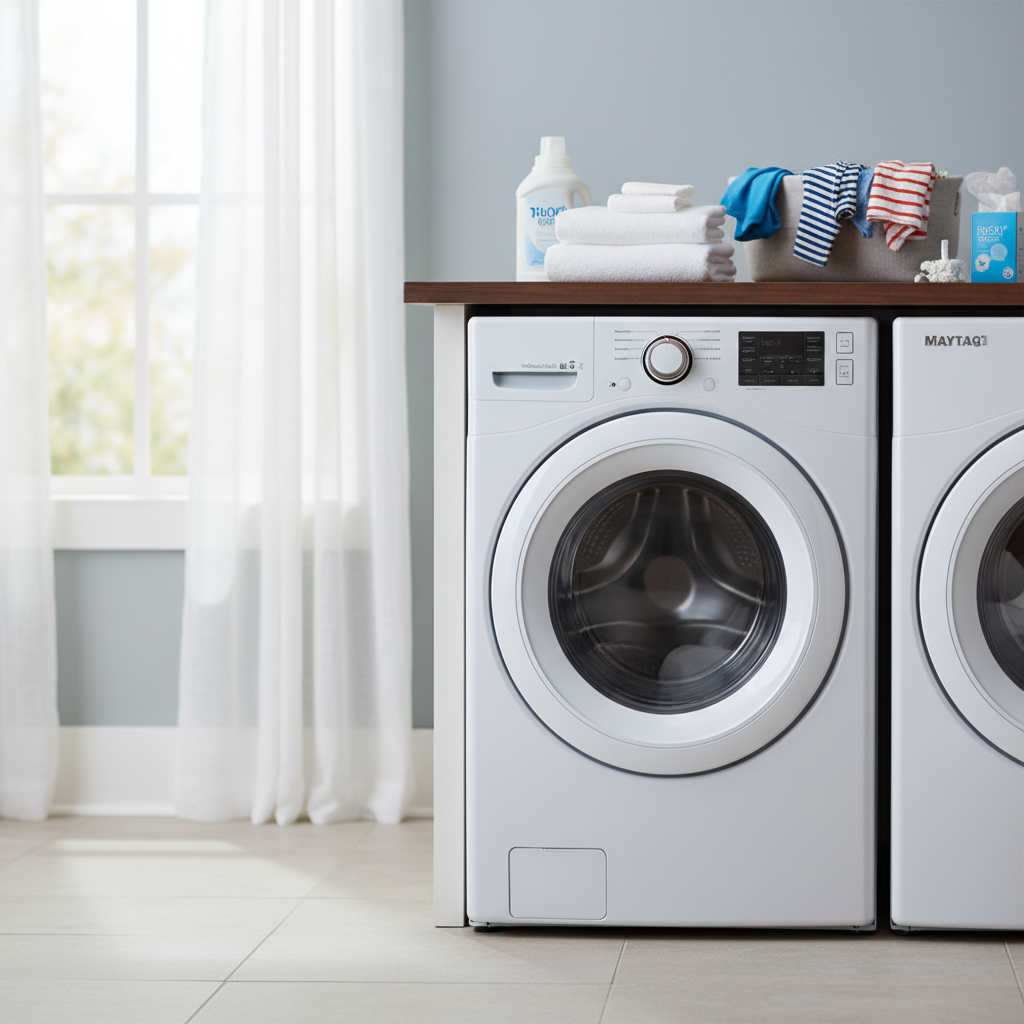
Few household dilemmas are as frustrating as a front load washing machine refusing to drain, leaving a drum full of soggy clothes. Before you panic and call a technician, there’s a good chance you can resolve this messy problem yourself. This comprehensive DIY guide will walk you through every step of manually draining your front-load washing machine, ensuring you can tackle the issue safely and effectively, transforming a household headache into a simple repair. Learning how to manually drain your washer is a valuable skill that can save you time, money, and a lot of stress when unexpected issues arise.
Why Your Front Load Washer Won’t Drain (and Why Manual Draining Helps)
A front load washing machine that won’t drain can stem from several common issues. Often, the culprit is a clogged pump filter, which can become blocked by lint, coins, hair, or small objects accidentally left in pockets. Other reasons include a kinked or obstructed drain hose, a malfunctioning drain pump, or even an interruption in the wash cycle. Regardless of the cause, excess water left in the drum can lead to unpleasant odors, mold and mildew growth, and potentially damage the machine’s components if not addressed promptly. Manual draining allows you to clear the water, access the filter for cleaning, and often resolve the immediate problem without professional help.
Safety First: Essential Precautions Before You Begin
Before you attempt any DIY repairs on your front load washing machine, safety must be your top priority. The most crucial step is to unplug the washing machine from its power source to prevent electrical hazards and accidental operation. Locate the power cord and disconnect it completely. If you cannot reach the plug, switch off the corresponding circuit breaker in your home’s electrical panel. Additionally, be aware that a washing machine full of water is significantly heavier than an empty one. If there’s a chance you’ll need to move the appliance to access certain areas, it’s wise to enlist a friend to help prevent injury.
Tools and Materials You’ll Need
Having the right tools on hand will make the manual draining process much smoother and less messy. Here’s a list of what you’ll typically require:
- Shallow Pan or Tray: Essential for catching the draining water. A baking sheet or a low-profile storage container works well.
- Towels or Absorbent Cloths: To manage any spills or overflow, as water can come out faster than expected.
- Screwdriver: Some front load washing machines have a small access panel that requires a flathead or Phillips-head screwdriver to open.
- Pliers (Optional): Can be useful if the drain filter cap is tight and difficult to turn by hand.
- Wet/Dry Vacuum (Optional): For larger water volumes or if you want to quickly clean up residual water.
Step-by-Step Guide: How to Manually Drain Your Front Load Washer
Follow these instructions carefully to drain your front load washing machine and clear its pump filter.
Step 1: Disconnect Power
|
Our Picks for the Best Front load washing machine in 2026
As an Amazon Associate I earn from qualifying purchases.
|
||
| Num | Product | Action |
|---|---|---|
| 1 | Maytag 4.5 cu ft. Front Load Washer with 12-hour Fresh Spin Option |

|
| 2 | GE 5.0 cu.ft. Smart Front Load Washer in White with Steam, UltraFresh Vent System, and Microban Technology |
|
| 3 | GE PROFILE 28 Inch Smart Front Load Washer with 4.8 cu. ft. Capacity in White GFW550SSNWW |
|
| 4 | Kenmore 4.5 cu. ft. Front Load Washer with Stain Removing Steam Treatment - Reduce Laundry Time with Accela Wash - LED - ENERGY STAR Certified - Metallic Silver |
|
| 5 | West Bend Washer Compact Front Load Washing Machine with 15 Wash Cycles, LED Display, See-Through Door, Stackable and Space-Saving Design, for Apartments, RVs, and Small Spaces, 2.2 Cu.Ft., White |
|
| 6 | BLACK+DECKER 4.5 Cu. Ft. Front Load Washer, Full Size Washing Machine with 12 Cycles, ENERGY STAR certified Washer Machine, Hot & Cold Inlet Hoses, LED Display, 120V, BFLW45M, White |
|
| 7 | LG WM3400CW 4.5 cu ft Front-Load Washer – High-Efficiency, LoDecibel™ Quiet Operation, 6Motion™ Technology, White |
|
| 8 | Kenmore 4.5 cu. ft. Top Load Washer with Triple Action Impeller for Tough Dirt & Stains - Reduce Laundry Time with Accela Wash & Express Wash - LED - White |
|
| 9 | Samsung 4.5 cu. ft. High Efficiency Front Load Washer with Vibration Reduction Technology+, White, WF45T6000AW/A5 |
|
| 10 | GE GFW655SPVDS 5.0 cu.ft. Smart Front Load Washer with Steam, UltraFresh Vent System, Black |
|
As emphasized earlier, start by unplugging your washing machine from the electrical outlet. This eliminates any risk of electrical shock during the process. Ensure the power is completely off before proceeding to the next step.
Step 2: Locate the Drain Filter Access Panel
Most front load washing machines have a small access panel located at the bottom front. This panel typically conceals the drain pump filter and an emergency drain hose. Depending on your model, you might be able to simply pop this panel open, or you may need to use a screwdriver to remove a few screws. Consult your washing machine’s user manual if you have trouble finding it.
Step 3: Prepare for Water Collection
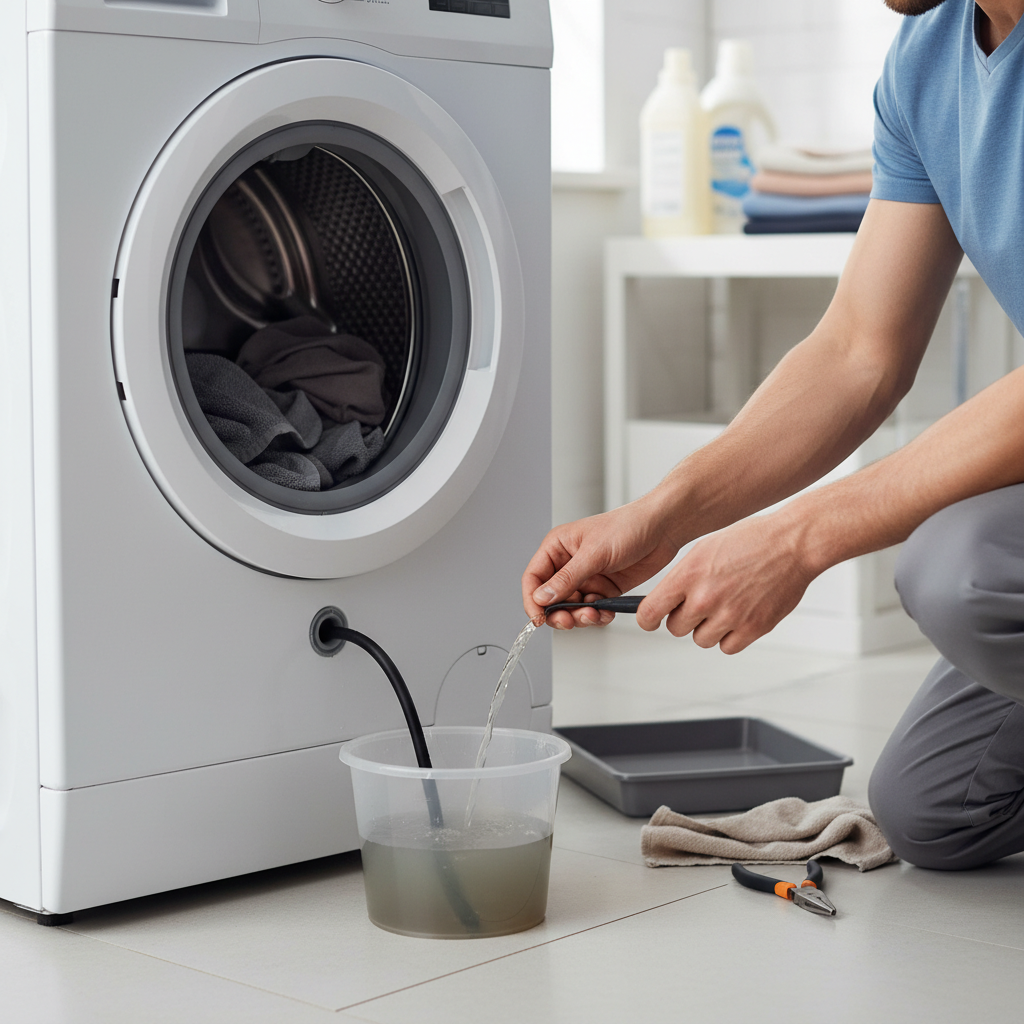
Once the access panel is open, you’ll see the drain filter. Before opening it, place a shallow pan or tray directly underneath to catch the water that will flow out. Be prepared with plenty of towels, as even with a pan, some water may spill, especially if the machine is completely full.
Step 4: Slowly Open the Drain Filter
You’ll see a circular cap or knob, which is the drain pump filter. Slowly turn this cap counterclockwise to begin releasing the water. It’s crucial not to remove the cap completely all at once. Allow the water to trickle out into your pan. As the pan fills, tighten the cap temporarily, empty the pan, and then resume draining. Repeat this process until all the water has been drained from the machine. This controlled approach prevents flooding your laundry area.
Step 5: Clean the Pump Filter
Once all the water has been drained, you can fully remove the drain pump filter. Inspect it thoroughly for any debris. It’s common to find lint, coins, buttons, hair, or other small items that have accumulated. Clean the filter under warm running water, removing all obstructions. This is also a good time to check the housing where the filter sits for any remaining debris.
Step 6: Reassemble and Test
After cleaning the filter, screw it back into place securely, turning it clockwise until it’s hand-tight. Close the access panel. Reconnect your washing machine to the power supply. Run a short cycle (like a rinse and spin cycle) without any laundry to confirm that the machine drains properly. Listen for any unusual noises and check for leaks around the filter area.
Troubleshooting Common Issues During the Process
Even with a clear guide, you might encounter a few hurdles. If there’s too much water to handle with just a shallow pan, consider using a wet/dry vacuum to extract a significant portion of the water from the drum before opening the filter. If the filter is stuck, gentle but firm pressure with pliers can help loosen it, but be careful not to damage the plastic. If the machine is still not draining after cleaning the filter, the issue might be a clogged main drain hose (often found at the back of the machine) or a malfunctioning drain pump, which may require professional assistance.
“Regular inspection of your front load washing machine’s drain pump filter can prevent most draining issues. It’s a simple task that saves a lot of hassle.” – Sarah Jenkins, Appliance Repair Specialist
Conclusion
Manually draining a front load washing machine can seem daunting at first, but it’s a straightforward DIY task that empowers you to tackle common appliance problems. By following these steps—disconnecting power, carefully draining the water, and thoroughly cleaning the pump filter—you can often restore your machine’s functionality and prevent further issues. Regular maintenance, including periodic filter checks, is key to prolonging the life and efficiency of your front-load washing machine. Taking these proactive steps ensures your appliance remains a reliable part of your home. What other regular maintenance tasks do you tackle to keep your home running smoothly?
Câu Hỏi Thường Gặp
How often should I manually drain and clean my front load washer filter?
It is generally recommended to clean your front load washer’s drain pump filter every three to six months, or more frequently if you wash heavily soiled items, pet bedding, or notice any draining issues. This preventive measure helps avoid clogs and ensures efficient operation.
What are the signs of a clogged drain pump filter in a front load washer?
Key signs include water remaining in the drum after a cycle, clothes still being excessively wet after the spin cycle, unusual noises coming from the pump area, or error codes on your washing machine’s display related to draining problems.
Can a kinked drain hose prevent a front load washer from draining?
Yes, a kinked or bent drain hose is a common reason why a front load washer might not drain properly. Always check the hose at the back of the machine to ensure it’s straight and free of obstructions after troubleshooting the pump filter.
Is it safe to leave water in a front load washing machine?
No, it is not safe or advisable to leave water in a front load washing machine. Stagnant water can quickly lead to unpleasant odors, mold and mildew growth, and can potentially damage internal components over time. Always drain the water as soon as you notice an issue.
Do all front load washing machines have a drain filter I can access?
Most modern front load washing machines are designed with an accessible drain pump filter for user maintenance. This filter is typically located behind a small access panel at the bottom front of the appliance. Always refer to your specific model’s user manual for exact locations and instructions.