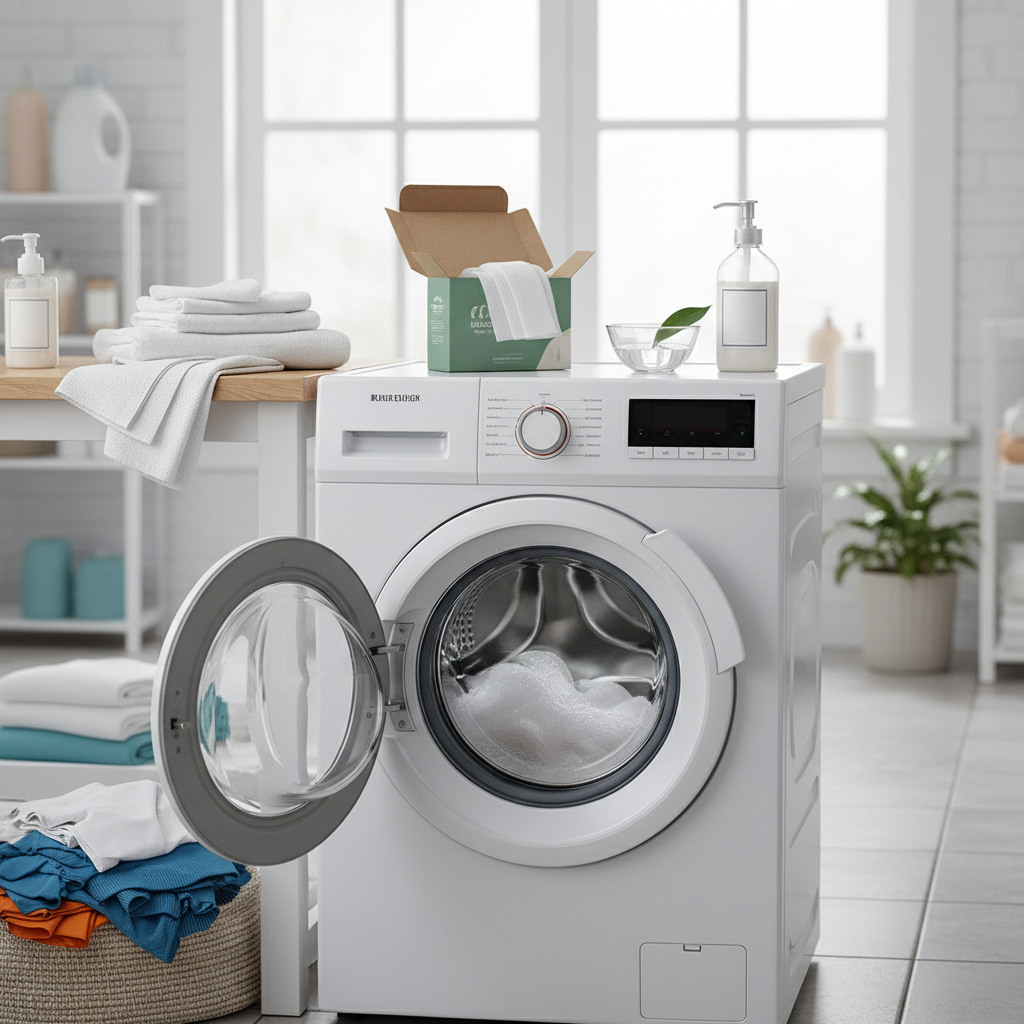
Front load washing machines are lauded for their efficiency and gentle care, but when it comes to harnessing the power of bleach, many users find themselves in a quandary. As an experienced appliance technician with over a decade in the field, I understand the nuances of these sophisticated machines. Proper bleach application is crucial not only for achieving sparkling whites and sanitized laundry but also for protecting your garments and the longevity of your washer. This guide will walk you through everything you need to know about using bleach safely and effectively in your front load washing machine.
Understanding Bleach Types: Chlorine vs. Oxygen
Before you reach for the bottle, it’s essential to differentiate between the two primary types of bleach and their suitable applications in a front load washer.
Chlorine Bleach (Sodium Hypochlorite)
This is the traditional, powerful bleach renowned for its ability to whiten, brighten, remove stubborn stains, and disinfect. Its active ingredient, sodium hypochlorite, is a strong oxidizer.
- Best For: White cottons, linens, and other colorfast white fabrics. It’s excellent for sanitizing towels, bedding, and underwear, and for tackling severe stains.
- Avoid On: Colored clothing (unless specifically stated as colorfast for chlorine bleach), wool, silk, mohair, leather, spandex, and any fabric with a “Do Not Bleach” symbol. Direct contact with undiluted chlorine bleach will cause irreversible damage and discoloration.
- Key Insight: Only unscented, EPA-registered disinfecting chlorine bleach is approved for sanitizing laundry and killing germs. Scented versions are primarily for whitening and deodorizing.
|
Our Picks for the Best Front load washing machine in 2026
As an Amazon Associate I earn from qualifying purchases.
|
||
| Num | Product | Action |
|---|---|---|
| 1 | Maytag 4.5 cu ft. Front Load Washer with 12-hour Fresh Spin Option |

|
| 2 | GE PROFILE 28 Inch Smart Front Load Washer with 4.8 cu. ft. Capacity in White GFW550SSNWW |
|
| 3 | Samsung 4.5 cu. ft. High Efficiency Front Load Washer with Vibration Reduction Technology+, White, WF45T6000AW/A5 |
|
| 4 | GE 5.0 cu.ft. Smart Front Load Washer in White with Steam, UltraFresh Vent System, and Microban Technology |
|
| 5 | West Bend Washer Compact Front Load Washing Machine with 15 Wash Cycles, LED Display, See-Through Door, Stackable and Space-Saving Design, for Apartments, RVs, and Small Spaces, 2.2 Cu.Ft., White |
|
| 6 | LG WM3400CW 4.5 cu ft Front-Load Washer – High-Efficiency, LoDecibel™ Quiet Operation, 6Motion™ Technology, White |
|
| 7 | Kenmore 4.5 cu. ft. Front Load Washer with Stain Removing Steam Treatment - Reduce Laundry Time with Accela Wash - LED - ENERGY STAR Certified - Metallic Silver |
|
| 8 | GE GFW655SPVDS 5.0 cu.ft. Smart Front Load Washer with Steam, UltraFresh Vent System, Black |
|
| 9 | Kenmore 4.5 cu. ft. Top Load Washer with Triple Action Impeller for Tough Dirt & Stains - Reduce Laundry Time with Accela Wash & Express Wash - LED - White |
|
| 10 | BLACK+DECKER 4.5 Cu. Ft. Front Load Washer, Full Size Washing Machine with 12 Cycles, ENERGY STAR certified Washer Machine, Hot & Cold Inlet Hoses, LED Display, 120V, BFLW45M, White |
|
Oxygen Bleach (Color-Safe Bleach)
Often labeled “color-safe” or “all-fabric bleach,” oxygen bleach utilizes hydrogen peroxide or sodium percarbonate as its active ingredient. It’s a milder alternative that works by releasing oxygen when mixed with water.
- Best For: Almost all washable fabrics, including most colors, delicates, and synthetics that cannot tolerate chlorine bleach. It’s effective for stain removal and maintaining brightness without harsh fading.
- Avoid On: While generally safer, always check care labels. It’s less effective at disinfecting compared to chlorine bleach.
- Application: Oxygen bleach is commonly found in powdered form and can typically be added directly to the drum with your detergent before loading clothes. If using a liquid oxygen bleach, you can usually add it to the bleach dispenser.
Preparing Your Laundry for Bleaching
Effective bleaching begins with meticulous preparation, ensuring both safety and optimal results.
Sort with Precision
Always separate your laundry into groups that can safely be bleached. For chlorine bleach, this means whites only, or fabrics that are explicitly colorfast. For oxygen bleach, you can often include mixed colors, but separating lights from darks is still good practice to prevent dye transfer.
Check Fabric Care Labels
This step is non-negotiable. Every garment has a care label, which often includes symbols indicating whether bleach is safe to use and, if so, which type.
- Solid Triangle: You can use any type of bleach (chlorine or oxygen).
- Triangle with Two Diagonal Lines: Only oxygen bleach (non-chlorine bleach) is safe.
- Crossed-Out Triangle: Do not use any type of bleach.
Ignoring these symbols can lead to irreparable damage to your clothes.
The Bleach Dispenser: Your Front-Load Washer’s Best Friend
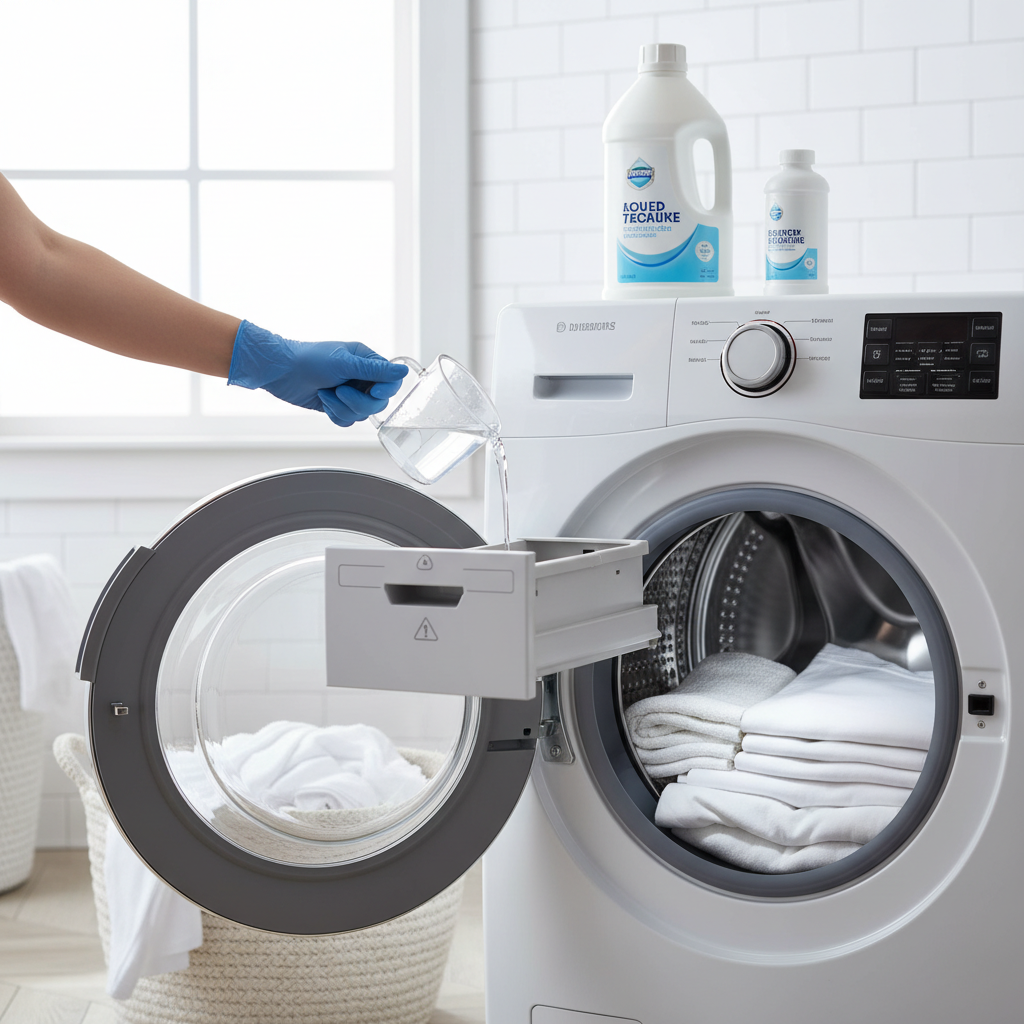
Modern front load washing machines are engineered to handle bleach safely, primarily through their dedicated bleach dispenser. This compartment is designed to protect your clothes from direct contact with concentrated bleach.
How It Works
When you add liquid chlorine bleach to the dispenser, the machine holds it until the appropriate point in the wash cycle. Then, it automatically flushes the bleach with water, diluting it significantly before it enters the main drum and mixes with your laundry. This precise timing and dilution prevent bleach from saturating specific areas of fabric, which could lead to spots, fading, or even holes.
Step-by-Step Guide to Using Bleach in Your Front Load Washer
Follow these steps to ensure a safe and effective bleach cycle.
Step 1: Consult Your Washer’s Manual
Every washing machine is slightly different. Your appliance’s user manual provides specific guidance on its bleach dispenser location, capacity, and any particular instructions for using bleach. It’s your ultimate resource for model-specific care.
Step 2: Choose the Right Bleach
Based on your laundry sorting and fabric care labels, select either liquid chlorine bleach for whites and sanitizing, or oxygen bleach for colors and general brightening. For disinfecting purposes, ensure your chlorine bleach is unscented and EPA-registered.
Step 3: Measure Correctly
Overdosing bleach can be harmful to your fabrics and even your machine’s components over time. Always refer to the bleach product’s label for recommended amounts, as concentrations can vary.
- For High-Efficiency (HE) Front Load Washers: A general guideline for liquid chlorine bleach is often ¼ to ⅓ cup for a typical load. For heavily soiled items or sanitizing, some labels may recommend up to the maximum fill line of your dispenser. Never exceed this line.
- For Oxygen Bleach (Powdered): Follow the package directions, typically adding it to the detergent dispenser or directly into the drum.
Step 4: Add Bleach to the Dispenser
For liquid chlorine bleach, pour the measured amount directly into the designated bleach dispenser compartment. This is typically labeled “Bleach” and is often located within the detergent drawer. Do not fill past the “Max Fill” line. The machine will handle the dilution and timing automatically.
Step 5: Load Laundry and Select Cycle
Place your sorted, bleach-safe items into the washer drum. Close the door firmly. Select the appropriate wash cycle, considering fabric type and soil level. For optimal bleach effectiveness, especially with chlorine bleach, a hot water setting is usually recommended, as higher temperatures help activate the bleach.
What if Your Washer Doesn’t Have a Bleach Dispenser?
While less common in modern front loaders, if your machine lacks a dedicated bleach dispenser, you must dilute the bleach manually to prevent fabric damage.
- Start the wash cycle and allow the drum to fill partially with water.
- In a separate container, dilute your measured liquid chlorine bleach with about one quart (or 1 liter) of water.
- Carefully pour the diluted bleach solution directly into the main wash drum as it fills, before adding your clothes. This ensures the bleach is well dispersed before contacting fabrics.
Using Powdered Oxygen Bleach
If you’re using powdered oxygen bleach, you can typically add it directly to the main detergent dispenser along with your laundry detergent, or sprinkle it into the empty washer drum before adding your clothes. Always check the specific product instructions for the best method.
Common Mistakes to Avoid When Bleaching
Even experienced users can sometimes make simple errors that compromise their laundry or machine.
- Pouring Bleach Directly on Clothes: This is a cardinal rule violation. Undiluted bleach will cause permanent discoloration, weakened fibers, and holes in fabric. Always use the dispenser or pre-dilute.
- Overdosing Bleach: More isn’t always better. Excessive bleach can weaken fabrics, cause yellowing in whites over time, and potentially leave residues in your machine. Stick to recommended measurements.
- Mixing Bleach with Other Cleaning Products: Never combine chlorine bleach with ammonia, toilet bowl cleaners, rust removers, or other chemicals. This can create dangerous, toxic fumes.
- Bleaching Non-Bleachable Fabrics: Always check care labels. Bleaching wool, silk, or certain colors will destroy them.
- Using Scented Bleach for Sanitizing: Scented bleaches are not formulated for disinfection. For true sanitization, opt for an unscented, EPA-registered disinfecting bleach.
- Ignoring Washer Maintenance: Residue from detergents and bleach can build up. Regularly cleaning your dispenser and washer drum helps prevent issues.
Beyond Laundry: Cleaning Your Front Load Washer with Bleach
Front load washers, particularly their rubber door gaskets, can be prone to mold and mildew buildup due to their airtight seals and efficient, lower water usage. Bleach is an excellent tool for deep cleaning and sanitizing your machine itself.
To clean your front load washer with bleach:
- Gasket Cleaning: Wipe down the rubber door gasket with a cloth dampened with a diluted bleach solution (e.g., ¼ cup bleach per gallon of water) to remove visible mold and mildew. Follow with a clean water rinse.
- Drum Cleaning: With an empty washer, add ¼ cup of liquid chlorine bleach to the bleach dispenser. Run a “Clean Washer” cycle, “Tub Clean” cycle, or the hottest available wash cycle (e.g., “Whites” or “Sanitize”) with an extra rinse option if possible. This helps flush out residues and disinfect the interior.
- Frequency: Perform this cleaning monthly to keep your washer fresh and prevent odors. After each laundry load, leave the washer door ajar to allow the drum and gasket to air dry.
Conclusion
Mastering the art of using bleach in your front load washing machine empowers you to achieve superior cleaning, brighter whites, and effectively sanitized laundry. By understanding the distinction between chlorine and oxygen bleaches, diligently sorting your garments, always checking care labels, and precisely utilizing your washer’s bleach dispenser, you can safely harness its potent capabilities. Remember, the key is precision and adherence to manufacturer guidelines, both for your bleach product and your washing machine. Embrace these practices, and you’ll find your laundry routine transformed, leaving you with impeccably clean and fresh results every time.
What brilliant whites will you achieve in your next load?
Frequently Asked Questions
Can I use bleach on colored clothes in a front load washer?
Generally, no, not chlorine bleach. Use oxygen bleach (often labeled “color-safe” or “all-fabric bleach”) for colored garments to brighten them and remove stains without damaging their color. Always check the garment care label first for specific instructions.
How much bleach should I use for an HE front load washer?
For liquid chlorine bleach in a high-efficiency (HE) front load washer, a common recommendation is about ¼ to ⅓ cup for a regular load, added to the bleach dispenser. Always refer to your bleach product’s label and your washer’s manual for the most accurate and safe measurements.
Can I put bleach and detergent in the same dispenser compartment?
For liquid chlorine bleach, you should put it in the dedicated bleach dispenser, separate from the detergent dispenser. Your front load washer is designed to dispense these at different times. Oxygen bleach, especially in powdered form, can often be added with detergent, but always check product instructions.
What happens if I pour bleach directly on clothes in a front loader?
Pouring undiluted liquid bleach directly onto clothes in a front load washer will almost certainly cause irreversible damage. It will lead to bleached-out spots, fading, and can weaken the fabric fibers, potentially causing holes. Always use the bleach dispenser or dilute manually before adding to the drum.
How often should I use bleach in my front load washer?
The frequency depends on your needs. For regular whitening and brightening of whites, you can use bleach with every bleach-safe white load. For sanitization, use it as needed, especially for items like towels and bedding. For cleaning your washing machine itself, a monthly cycle with bleach is recommended to prevent mold and mildew.