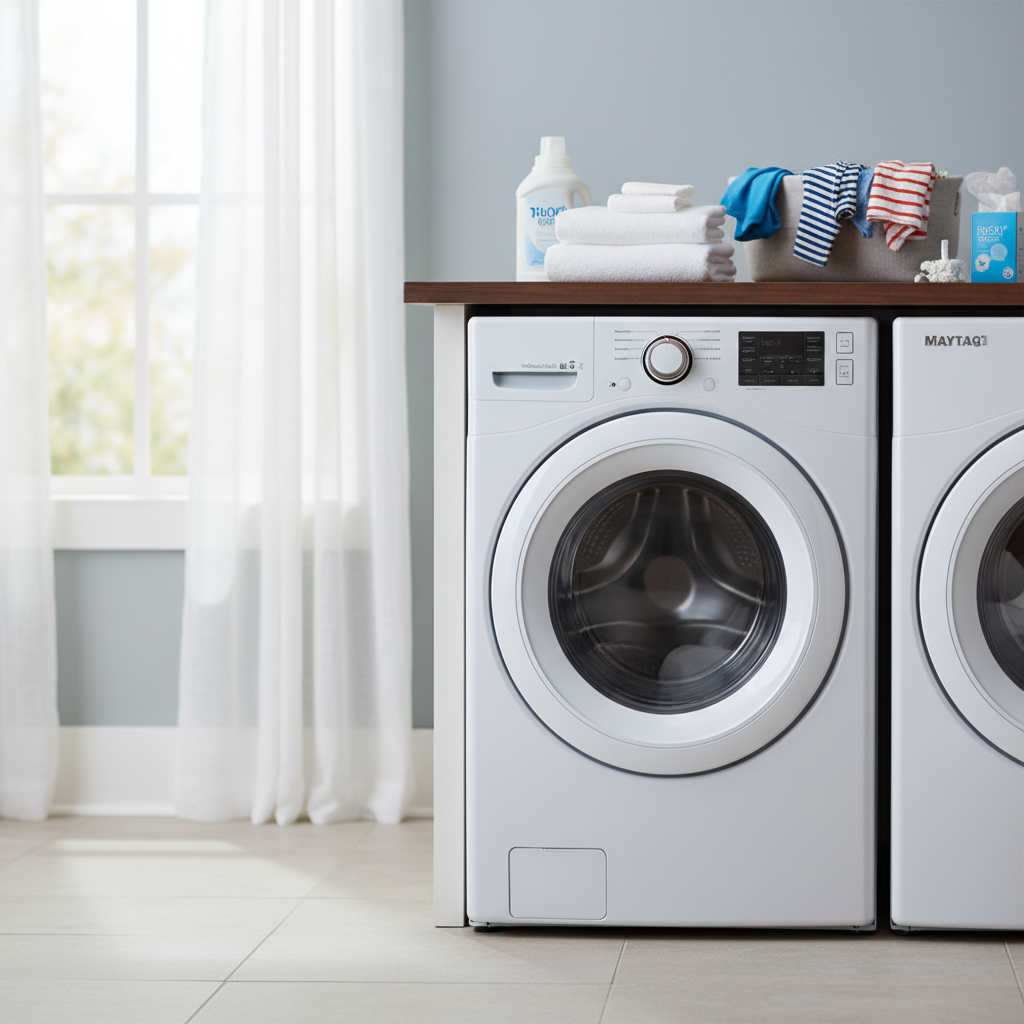
A washing machine that shakes, rattles, and “walks” across the laundry room floor during a spin cycle can transform a peaceful laundry day into a noisy ordeal. This violent vibration is more than just an annoyance; it can indicate underlying issues that, if ignored, could lead to costly repairs or even premature appliance failure. While the sight of your washer vigorously dancing may seem alarming, many of the common culprits behind this excessive movement are surprisingly simple to diagnose and resolve. Understanding these causes and their straightforward solutions can help restore your washer to smooth, quiet operation, extending its lifespan and maintaining your home’s tranquility.
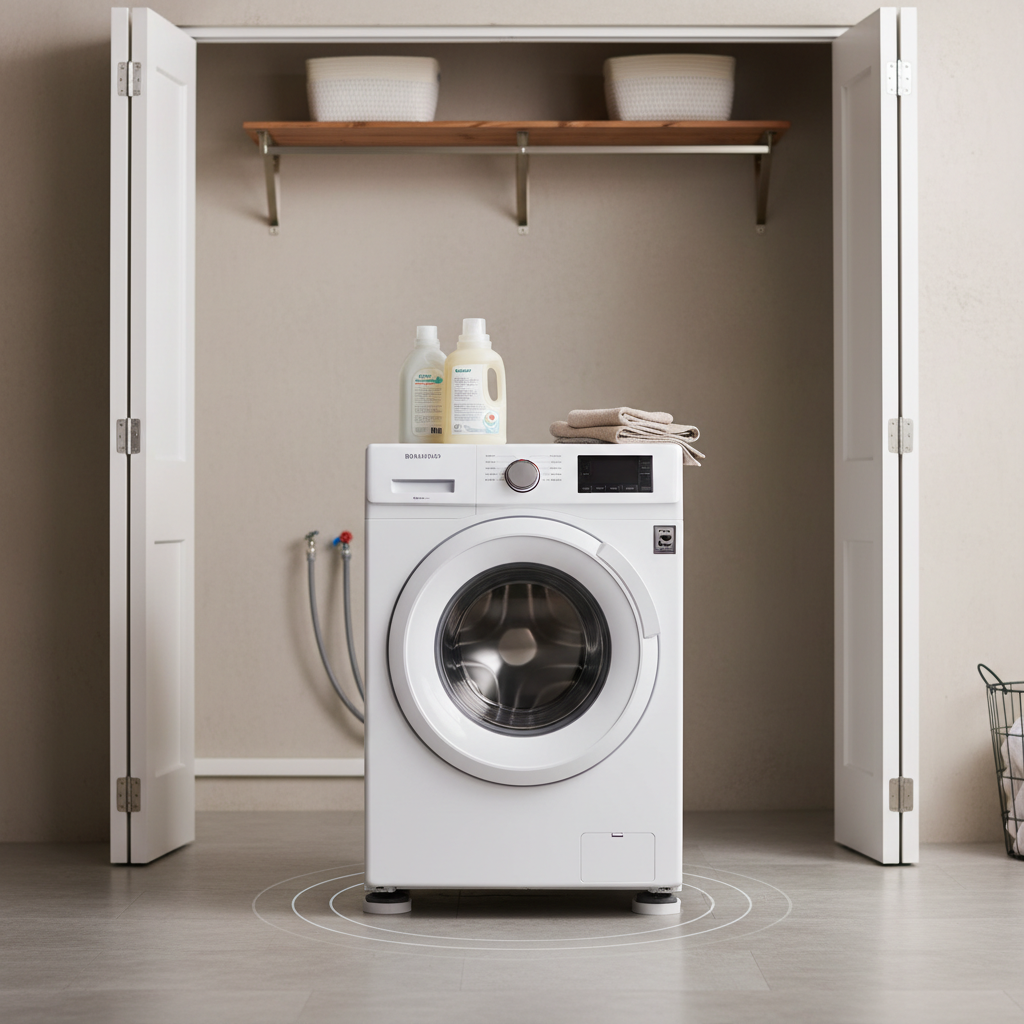
Understanding Washer Vibrations: A Common Household Dilemma
Modern washing machines, especially high-efficiency front-load models, are designed to handle rigorous spin cycles to extract as much water as possible from your laundry. During these high-speed rotations, any imbalance or instability can be significantly amplified, leading to pronounced vibrations. What might start as a subtle hum can quickly escalate into violent shaking if the root cause isn’t addressed. It is crucial to distinguish between normal operational vibrations—which are usually mild and consistent—and abnormal, violent shaking that suggests a problem. Recognizing the difference is the first step in diagnosing and rectifying the issue before it causes further damage.
Common Causes of Violent Washer Vibration and Their Solutions
Several factors can contribute to a washing machine vibrating violently. Addressing these issues systematically can help pinpoint the problem and apply the correct fix.
Unbalanced Load: The Simplest Culprit
An unbalanced laundry load is arguably the most frequent cause of excessive washer vibration. Large, absorbent items such as blankets, rugs, or heavy towels tend to clump together during the wash cycle. As the machine enters its spin phase, this uneven weight distribution throws the drum off balance, causing it to wobble violently. Paradoxically, very small loads, especially with a single heavy item like a pair of jeans, can also create a significant imbalance.
- Cause: Clothes, especially bulky or absorbent items, get distributed unevenly in the drum. This creates a lopsided weight during high-speed spinning.
- Fix:
- Pause the cycle: Stop the washing machine immediately if it starts shaking.
- Redistribute the load: Open the door and manually rearrange the items, ensuring they are evenly spread around the drum.
- Adjust load size: For very bulky items, wash them individually or with a few smaller items to help balance the load. For very small loads, add one or two bath towels to help achieve balance.
- Avoid overloading: Stuffing the washer too full restricts movement and makes even distribution impossible.
|
Our Picks for the Best Front load washing machine in 2026
As an Amazon Associate I earn from qualifying purchases.
|
||
| Num | Product | Action |
|---|---|---|
| 1 | Kenmore 4.5 cu. ft. Front Load Washer with Stain Removing Steam Treatment - Reduce Laundry Time with Accela Wash - LED - ENERGY STAR Certified - Metallic Silver |

|
| 2 | West Bend Washer Compact Front Load Washing Machine with 15 Wash Cycles, LED Display, See-Through Door, Stackable and Space-Saving Design, for Apartments, RVs, and Small Spaces, 2.2 Cu.Ft., White |
|
| 3 | GE GFW655SPVDS 5.0 cu.ft. Smart Front Load Washer with Steam, UltraFresh Vent System, Black |
|
| 4 | Maytag 4.5 cu ft. Front Load Washer with 12-hour Fresh Spin Option |
|
| 5 | BLACK+DECKER 4.5 Cu. Ft. Front Load Washer, Full Size Washing Machine with 12 Cycles, ENERGY STAR certified Washer Machine, Hot & Cold Inlet Hoses, LED Display, 120V, BFLW45M, White |
|
| 6 | LG WM3400CW 4.5 cu ft Front-Load Washer – High-Efficiency, LoDecibel™ Quiet Operation, 6Motion™ Technology, White |
|
| 7 | GE 5.0 cu.ft. Smart Front Load Washer in White with Steam, UltraFresh Vent System, and Microban Technology |
|
| 8 | GE PROFILE 28 Inch Smart Front Load Washer with 4.8 cu. ft. Capacity in White GFW550SSNWW |
|
| 9 | Kenmore 4.5 cu. ft. Top Load Washer with Triple Action Impeller for Tough Dirt & Stains - Reduce Laundry Time with Accela Wash & Express Wash - LED - White |
|
| 10 | Samsung 4.5 cu. ft. High Efficiency Front Load Washer with Vibration Reduction Technology+, White, WF45T6000AW/A5 |
|
Uneven Leveling: Finding Your Washer’s Balance
A washing machine that isn’t perfectly level on the floor will inherently rock and vibrate, particularly during the spin cycle. Over time, regular use and minor vibrations can cause the leveling feet to shift, making a previously stable machine become uneven. This issue is often identifiable if the machine rocks when you push on its corners.
- Cause: The washer’s leveling feet are improperly adjusted, or the floor itself is uneven, causing the machine to be unstable.
- Fix:
- Unplug the machine: Always disconnect power before attempting to move or adjust the washer.
- Check for level: Place a carpenter’s level on top of the washing machine, checking from front to back and side to side.
- Adjust leveling feet: Gently rock the machine to identify which feet are not making firm contact with the floor. Most washers have adjustable feet that can be twisted up or down. Use an adjustable wrench or pliers to turn the feet until all four are firmly planted and the machine is level and stable.
- Tighten lock nuts: Once leveled, ensure any lock nuts on the leveling feet are tightened against the washer’s frame to prevent them from loosening again.
Shipping Bolts: A New Washer’s Oversight
This is a common, yet easily overlooked, issue, especially with new front-load washing machines or after moving an appliance. Shipping bolts, also known as transportation bolts, are sturdy metal rods or plastic bolts designed to secure the washer’s drum during transit. They prevent the tub from moving excessively and incurring damage while being transported. If these bolts are not removed before the first operation, the drum cannot move freely, leading to extremely violent vibrations.
- Cause: Shipping bolts, installed to protect the drum during transport, were not removed upon installation.
- Fix:
- Locate the bolts: Shipping bolts are typically found on the back of the washing machine. Refer to your owner’s manual for their exact location and removal instructions.
- Remove the bolts: Use a wrench to loosen and remove each bolt. Keep these bolts in a safe place, as they may be needed if you ever move the appliance again.
- Install caps: Many washers come with plastic caps to cover the holes after the bolts are removed.
Worn or Damaged Components: When Parts Fail
If simpler fixes like balancing the load and leveling the machine don’t resolve the violent vibrations, the issue may lie with internal mechanical components that dampen the drum’s movement. These parts wear out over time, especially with frequent use.
- Shock Absorbers/Suspension Rods: Front-load washers use shock absorbers or suspension rods to cushion the movements of the wash tub, particularly during high-speed spins. When these wear out or break, they can no longer effectively absorb the drum’s motion, leading to excessive shaking and banging.
- Cause: Worn, broken, or weakened shock absorbers or suspension rods.
- Fix: Replacing these components usually requires disassembling part of the washer’s cabinet. If one shock absorber is worn, it’s often recommended to replace all of them simultaneously for consistent performance. This can be a DIY task for handy individuals, with parts typically costing between $20 to $50 per shock absorber, or a professional repair ranging from $100 to $350 for parts and labor.
- Tub Bearings: The tub bearings allow the inner drum to spin smoothly within the outer tub. If these bearings are worn or damaged, the drum can wobble and create loud grinding or thumping noises during the spin cycle, accompanied by violent vibrations.
- Cause: Worn-out or broken tub bearings.
- Fix: Replacing tub bearings is a more complex and labor-intensive repair, often requiring special tools and significant disassembly of the machine, including splitting the outer tub. In some cases, manufacturers recommend replacing the entire outer tub assembly with integrated bearings, which can be costly (up to $600-$800+ for parts and labor). Parts alone might cost $50-$150. Given the complexity, this repair is often best left to a professional.
- Suspension Springs: Some washers also use springs to suspend the wash tub from the machine’s frame. If a spring breaks or stretches, it can cause the tub to hang unevenly, leading to severe vibrations.
- Cause: Broken or stretched suspension springs.
- Fix: Identify and replace the defective spring. If one has failed, others may soon follow, so inspect them all.
Pedestal or Flooring Issues: Foundation Matters
The surface your washing machine sits on plays a critical role in minimizing vibrations. A weak, uneven, or flexible floor can amplify even minor machine movements, making them seem much worse. Similarly, if your washer is installed on a pedestal, issues with the pedestal itself can contribute to instability.
- Cause:
- Weak or flexible flooring: Plywood or older wooden floors may not provide adequate rigidity, especially for heavy front-load washers.
- Uneven floor surface: Even if the washer’s feet are adjusted, a significantly uneven floor can still cause problems.
- Loose pedestal: If the washer is mounted on a pedestal, the pedestal itself might be loose, or its mounting screws may not be tight.
- Fix:
- Reinforce the floor: For flexible floors, consider reinforcing the area beneath the washer with plywood or structural supports.
- Anti-vibration pads: Placing specialized anti-vibration pads under the washer’s feet can help absorb some of the movement and protect the floor.
- Secure the pedestal: Ensure the washer is securely mounted to its pedestal and that the pedestal’s feet are level and firm on the floor. Tighten all mounting screws.
Preventing Future Washer Vibrations
Proactive measures can significantly reduce the likelihood of your washing machine developing violent vibrations. Simple habits and periodic checks can ensure your appliance operates smoothly and efficiently for years to come.
- Balance loads properly: Always distribute laundry evenly in the drum. Avoid washing single, heavy items, and be mindful of overloading or underloading, especially with bulky textiles.
- Regularly check leveling: Periodically verify that your washer remains level. Over time, vibrations can cause the leveling feet to shift, so a quick check with a level and readjustment if necessary can prevent problems before they escalate.
- Ensure proper installation: If you move your washer or get a new one, double-check that all shipping bolts are removed and that the machine is installed correctly according to the manufacturer’s guidelines.
- Maintain internal components: While not a DIY task for all, being aware of signs of wear in shock absorbers or bearings (like new noises or persistent shaking after other checks) can prompt timely professional inspection.
“Many vibration issues stem from simple imbalances or installation oversights that can be resolved with basic tools and a careful eye. Don’t overlook these easy fixes before considering a major repair.” – Admin, ReviewDP.com, Front Load Washing Machine Expert
Conclusion
A washing machine that vibrates violently is often signaling an issue that can be resolved with a bit of troubleshooting. From simply redistributing an unbalanced load or leveling the appliance, to removing forgotten shipping bolts, many common causes have straightforward DIY solutions. However, if the problem persists, it may indicate worn internal components such as shock absorbers or tub bearings, which might require professional attention. Addressing these issues promptly not only restores peace to your laundry room but also helps protect your appliance from more significant damage and extends its operational life. By understanding the common culprits and knowing when to call an expert, you can ensure your washing machine continues to clean your clothes effectively without shaking your home’s foundation. What steps will you take today to ensure your washer runs smoothly?
Frequently Asked Questions
Can a vibrating washer cause damage to the machine or my home?
Yes, prolonged violent vibration can cause significant damage. It can accelerate wear on internal components, loosen connections, and even damage the washer’s frame. Additionally, severe shaking can damage your floor, walls, or adjacent cabinets, and in extreme cases, a “walking” washer could break water lines or electrical cords.
How often should I check my washer’s leveling?
It’s a good practice to check your washer’s level every 6-12 months, or immediately if you notice new or increased vibration. Vibrations from normal use can cause the leveling feet to shift over time, leading to instability.
Is it normal for a new front-load washer to vibrate?
While a slight hum or mild vibration during the spin cycle is normal, a new front-load washer that vibrates violently almost always indicates that the shipping bolts (also known as transportation bolts) were not removed during installation. These bolts stabilize the drum during transit and must be taken out before operation.
When should I call a professional for washer vibration?
You should call a professional if you’ve checked for unbalanced loads, leveling issues, and removed shipping bolts, and the violent vibration persists. This often points to worn-out or damaged internal components like shock absorbers, tub bearings, or suspension springs, which can be complex to replace.
Can I fix worn shock absorbers myself?
Replacing shock absorbers or suspension rods can be a DIY task if you’re comfortable with basic appliance repair and follow your washer’s service manual. The parts are generally affordable, but the process involves disassembling parts of the washer’s outer cabinet. If you’re unsure, consulting a professional is always recommended.